
Shuvuuia — small bird-like alvarezsaurid theropod from Late Cretaceous Mongolia
Shuvuuia is a small, bird-like alvarezsaurid theropod from Late Cretaceous Mongolia, known for short, powerful digging forelimbs, likely insectivorous habits, feathered integument, and distinctive sensory adaptations.
Overview
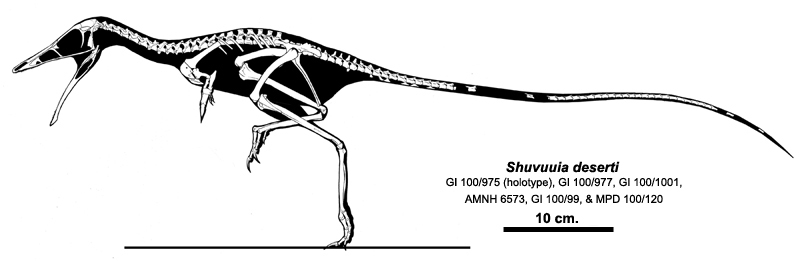
Shuvuuia is a genus of small, bird-like theropod dinosaur from the Late Cretaceous deposits of what is now the Gobi Desert in Mongolia. It belongs to the family Alvarezsauridae, a group of coelurosaurian theropods distinguished by compact bodies, long hind limbs, and highly modified forelimbs. The overall appearance and some skeletal proportions give Shuvuuia a superficially avian aspect and have made it important for understanding the range of body plans among non-avian dinosaurs.
Image gallery
10 Images




Discovery and name
Material attributed to Shuvuuia was recovered from Late Cretaceous strata during expeditions to Central Asia. The genus name is derived from the Mongolian word shuvuu, meaning "bird," reflecting its bird-like features; this etymology is often noted in summaries of its history and classification. Type and referred specimens helped define the small-bodied alvarezsaurid anatomy and its distinct ecological role among small theropods.
Anatomy and distinctive features
Like other coelurosaurian alvarezsaurids, Shuvuuia combined a lightweight, cursorial hindlimb anatomy with forelimbs that were short, muscular, and functionally specialized. The forelimbs ended in a single enlarged claw, while the skull was narrow with relatively simple dentition compared with many other theropods. Key features include:
- Short, robust forelimbs with an enlarged manual claw, interpreted as an adaptation for digging or tearing into substrates.
- Long, gracile hind limbs suited to bipedal running and agility.
- Reduced teeth in some regions of the jaw and a narrow skull that emphasize a specialized feeding mode.
Integument and sensory adaptations
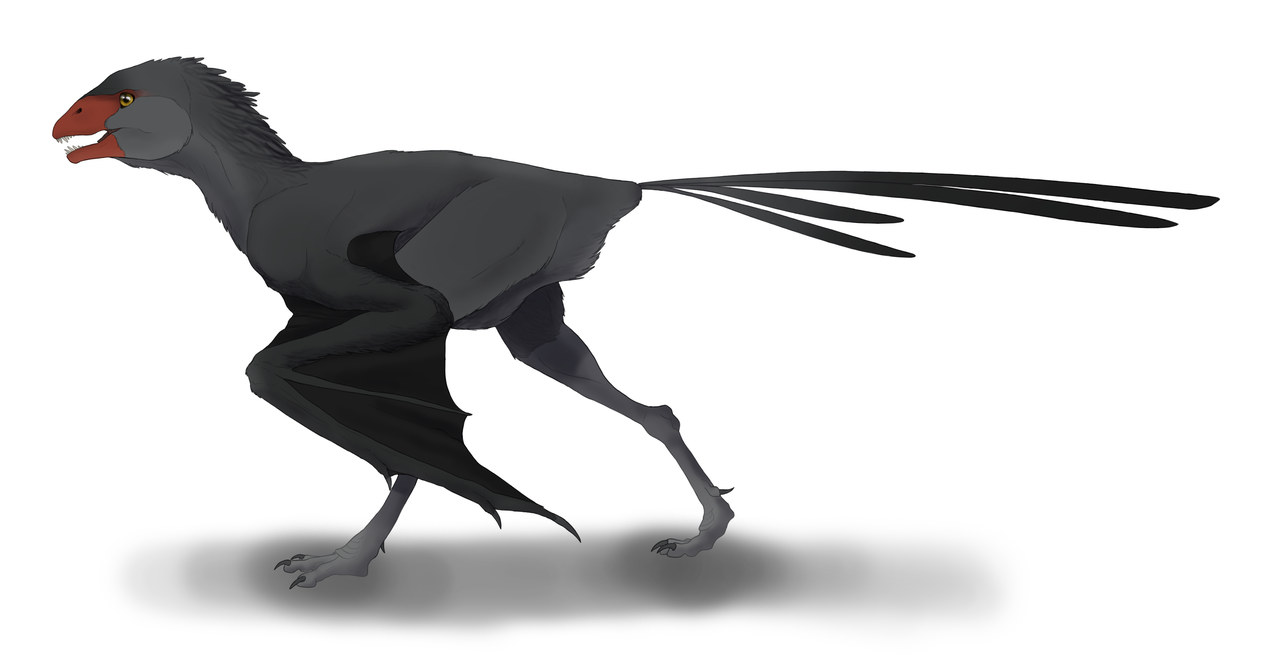
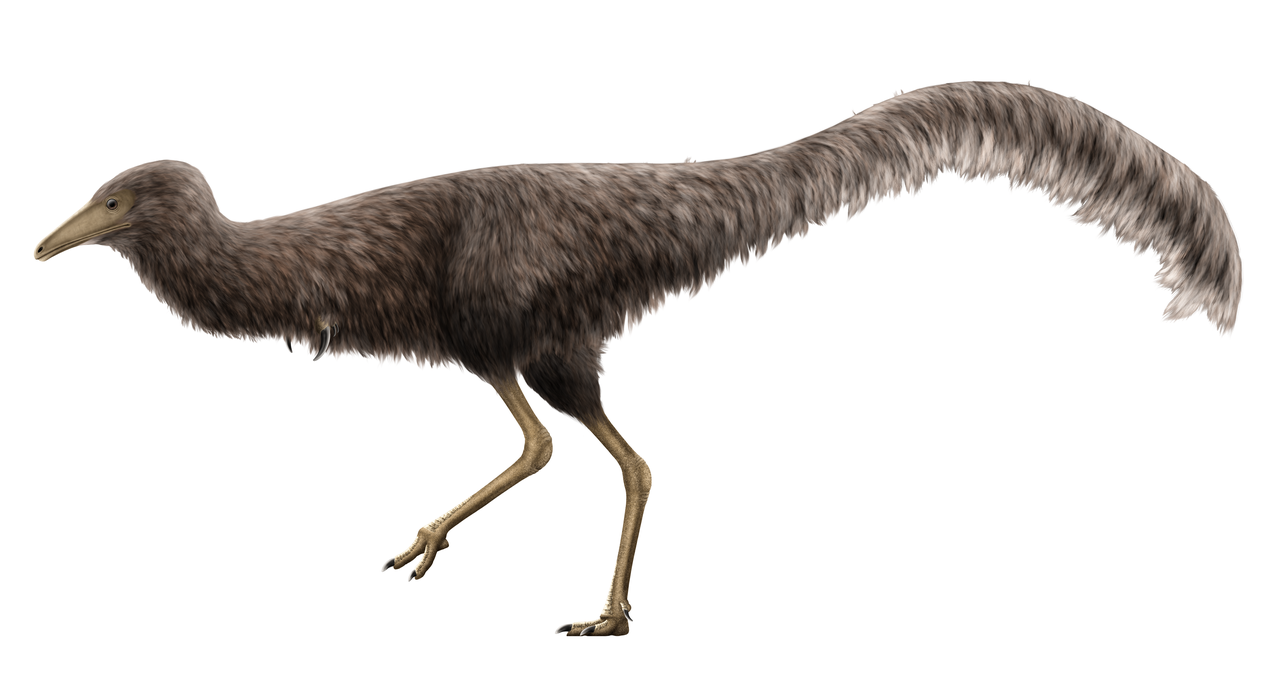
Evidence from alvarezsaurid fossils and related coelurosaurs indicates the presence of feather-like integument, and Shuvuuia is commonly reconstructed with some form of insulating or display feathers. Studies of cranial anatomy, particularly the inner ear and hearing-related structures in Shuvuuia and close relatives, have suggested acute auditory capabilities; such adaptations are consistent with probing or nocturnal foraging lifestyles. These sensory traits complement the functional morphology of the forelimbs and skull.
Diet, behavior and paleoecology
Functional comparisons with modern animals lead most researchers to interpret Shuvuuia as a specialist insectivore or myrmecophage, using powerful forelimbs and the claw to break into insect nests, peel bark, or investigate burrows. Its small size, insulating integument, and possible enhanced hearing would have aided activity at varying temperatures and in low light. Fossils come from arid to semi-arid ecosystems populated by a diverse assemblage of dinosaurs, mammals, and reptiles, providing context for its ecological niche.
Classification and significance
Shuvuuia is placed within Alvarezsauridae, a clade that highlights convergent evolution of digging or probing specializations among theropods. While alvarezsaurids show bird-like aspects and are part of the broader bird-like morphological spectrum among coelurosaurs, they retain diagnostic non-avian theropod features that distinguish them from true birds. Research on Shuvuuia has contributed to debates about feeding strategies, locomotion, and sensory evolution in small Cretaceous theropods.
For introductions and further reading, museum summaries and regional paleontological reviews discuss specimen details, stratigraphic context in the Late Cretaceous, and fieldwork in Mongolia. Related topics include general dinosaur classification, coelurosaurian relationships, and the etymology of taxon names such as the Mongolian-derived Shuvuuia.
Related resources and thematic entries: bird-like features, theropod anatomy, dinosaur classification, Cretaceous formations, Mongolian fieldwork, coelurosaurian relationships, name origin and etymology.
Related articles
Author
AlegsaOnline.com Shuvuuia — small bird-like alvarezsaurid theropod from Late Cretaceous Mongolia Leandro Alegsa
URL: https://en.alegsaonline.com/art/90128