
Siberian Husky — origins, appearance, behavior, and uses
A medium-sized Arctic sled dog bred by the Chukchi for endurance and speed. Covers appearance, temperament, history, working roles, care needs, and distinguishing traits.
The Siberian Husky is a medium-sized working dog originally developed in northeastern Asia to pull light sleds over long distances. Agile and graceful, Huskies combine a compact, furry body with a strong bone structure and an efficient gait. Their physical form — from body proportions to coat and tail — reflects a balance between insulation for cold climates and the ability to travel quickly and efficiently, a point often noted in descriptions of the breed's overall body design.
Image gallery
10 Images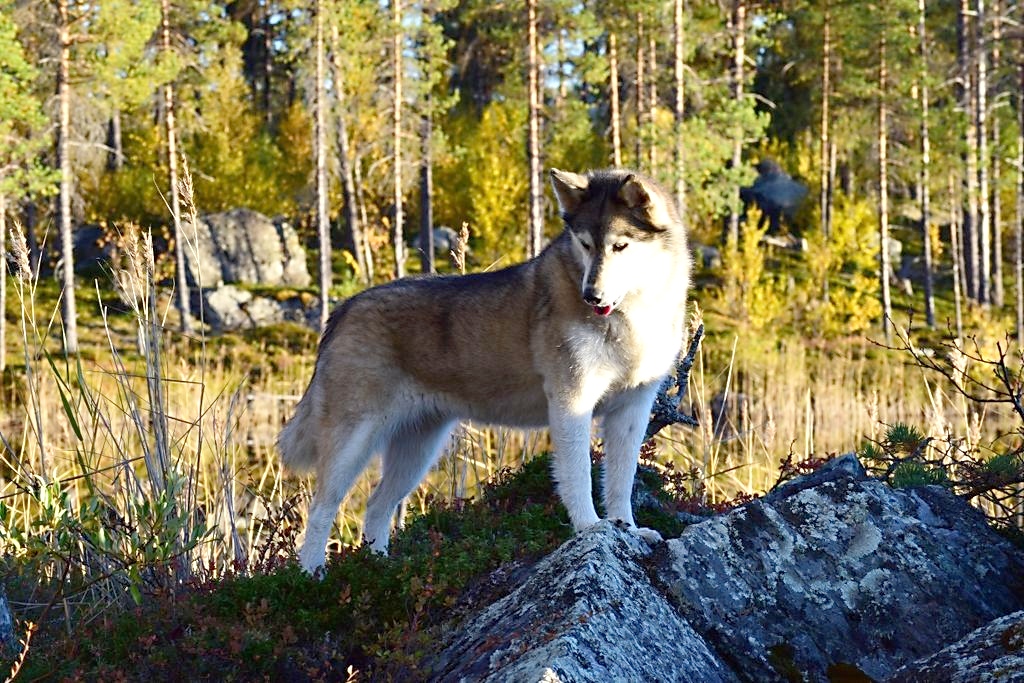





Physical characteristics
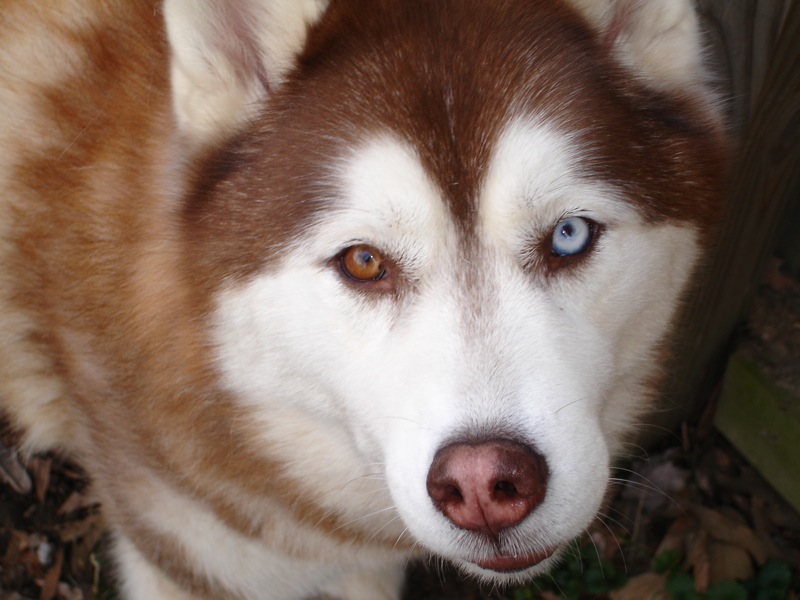
Siberian Huskies have several distinctive features that are useful for identification and understanding their capabilities. They carry a thick double coat that sheds seasonally and comes in many colors and markings. Typical traits include pointed, erect ears, a dense undercoat, and a characteristically bushy tail that may curl over the back when the dog is alert. The breed is medium in size; males are generally broader and more robust in appearance than male counterparts, while female Huskies tend to be slightly finer-boned. Eye color varies from brown to blue, and some individuals exhibit heterochromia (two different colored eyes).
Temperament and behavior
Huskies are prized for a friendly, outgoing personality. They are social, usually good-natured with people and other dogs, and not typically suited to being a dedicated guard dog because of their approachable demeanor. While they are generally not aggressive, they retain a strong pack instinct that can influence training and household dynamics. Their notable intelligence and curiosity make them capable learners but also independent; consistent, positive training and ample mental stimulation are important.
History and development
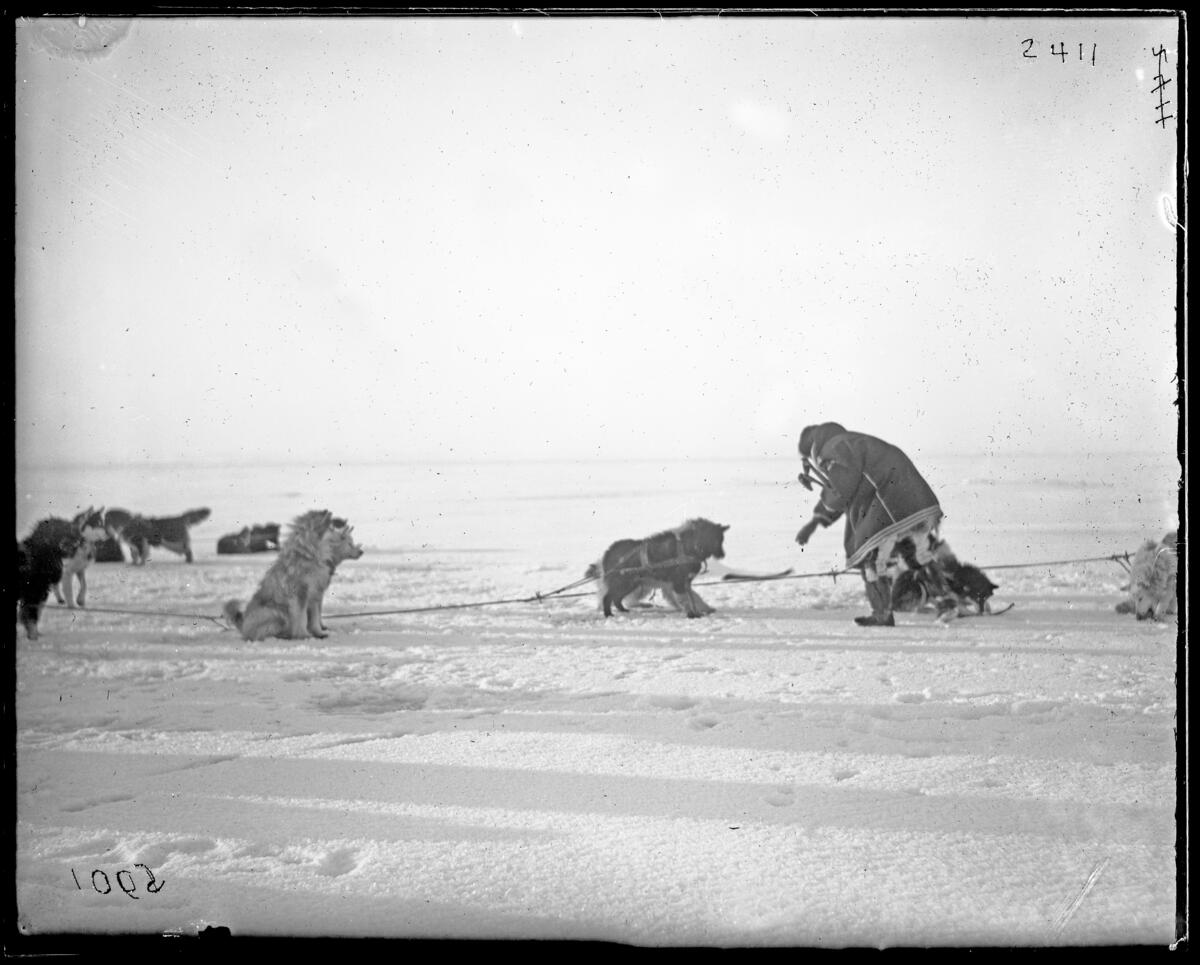
The breed was developed by the Chukchi people of Siberia, who needed a reliable companion able to transport goods and people across harsh terrain and extreme cold. Over generations they selected dogs for endurance, speed, and cooperative temperament rather than sheer size or guarding ability. In the early 20th century, Siberian Huskies were brought into other regions and gained recognition in sled racing and as companions; their role in long-distance sled runs helped establish their reputation for stamina and teamwork.
Uses, care, and notable traits
- Working roles: widely used historically as a sled dog for passenger and freight transport, and today kept for recreational sledding, skijoring, and as active companion animals.
- Exercise needs: demand significant daily physical activity to prevent boredom-related behaviors; they excel in endurance activities highlighting speed and stamina.
- Grooming and health: require seasonal brushing to manage shedding and routine care for hips and eyes; lifespans are commonly around a dozen years with proper care.
- Behavior notes: may be escape artists and have a higher prey drive than some companion breeds, so secure fencing and supervised off-leash activity are recommended.
Distinguishing the Siberian Husky from related northern breeds involves attention to size, coat texture, and historical function: unlike larger Arctic breeds developed for heavy loads, the Husky was bred for speed with a light to moderate pulling capacity, making it a specialist in long-distance, lighter-load transport. For more detailed breed standards, care guidance, or historical resources see local kennel organizations and breed clubs via the linked resources below.
Further reading and resources: Breed overview, physical traits, structure, ear type, tail, sledding history, performance, male characteristics, female characteristics, temperament, guarding tendencies, social behavior, training and intelligence.
Questions and answers
Q: What is a Siberian Husky?
A: A Siberian Husky is a medium-sized working dog that is quick and graceful.
Q: What do Siberian Huskies look like?
A: Siberian Huskies have a compact and furry body, pointed ears, and a bushy tail.
Q: What is the purpose of a Siberian Husky?
A: The Siberian Husky is a sled dog that is used for carrying a light load over great distances.
Q: What are the characteristics of a Siberian Husky?
A: Siberian Huskies show a balance of power, speed, and endurance. They have a friendly and gentle personality, are alert and outgoing, and are not possessive like guard dogs.
Q: Are there physical differences between male and female Siberian Huskies?
A: Yes, male Siberian Huskies are usually thicker in appearance than female Siberian Huskies.
Q: Are Siberian Huskies aggressive with other dogs?
A: No, Siberian Huskies are usually not aggressive with other dogs. They are curious but not usually aggressive.
Q: Why are Siberian Huskies a favorable companion?
A: Siberian Huskies are intelligent and have a friendly behavior, making them a favorable companion. They also usually have long fur.
Related articles
Author
AlegsaOnline.com Siberian Husky — origins, appearance, behavior, and uses Leandro Alegsa
URL: https://en.alegsaonline.com/art/90162
Sources
- puppydogweb.com : "Siberian Husky Puppies Breeders Huskys Huskies"
- books.google.com : ASPCA Complete Guide to Dogs
- akc.org : "AKC Meet The Breeds: Siberian Husky"