
Siamese cat (Wichian Mat)
A distinctive, vocal cat breed originating in Thailand, noted for its blue eyes, point coloration, sociable temperament, and two principal types: traditional (Thai) and modern (wedge-headed).
Overview
The Siamese is a well-known breed of domestic cat with a striking appearance and a communicative personality. Native to what is now Thailand, the breed is called Wichian Mat in Thai, a name often translated as "moon diamond." Siamese cats are especially recognized for their contrasting point coloration and vivid blue eyes. They occur in a range of color patterns and in two broadly recognized body types: the traditional or Thai Siamese and the modern, more extreme wedge-headed show type.
Image gallery
10 Images





Appearance and genetics
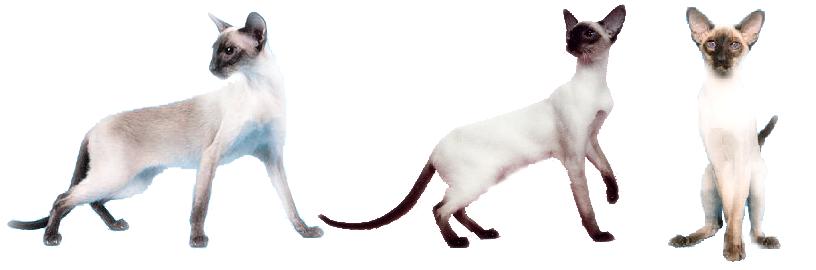
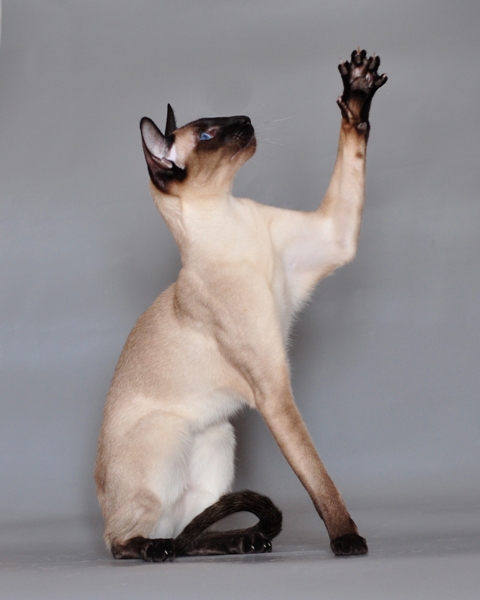
Siamese cats typically have a short, fine coat that emphasizes their sculpted bodies. The hallmark is the colorpoint pattern: darker pigmentation on the ears, face mask, tail and paws, with a lighter body. This pattern is caused by a heat-sensitive form of the enzyme tyrosinase, which produces pigment more readily on the cooler extremities. Kittens are usually born pale and develop their points as they grow.
- Common point colors include seal, blue, chocolate and lilac; variations include lynx (tabby) and tortie points.
- Eye color is usually an intense blue, often almond-shaped.
- Body type ranges from the rounder, more compact traditional (Thai) form to the long, slender modern type prized in many cat shows.
Temperament and care
Siamese cats are known for being social, vocal and intelligent. They often form strong bonds with people, seek interaction, and use a distinctive, loud voice to communicate. They do well in households that provide companionship and mental stimulation. Grooming needs are modest because of the short coat, but they benefit from regular play, puzzle toys and interactive attention.
- Provide daily play and climbing opportunities to satisfy their active nature.
- Brush occasionally to reduce loose hair and check dental and ear health regularly.
- Because of their sociability, they can become anxious if left alone for long periods.
History and cultural significance
Siamese cats originate from Thailand (historically called Siam) and were kept by royalty and in temples. They were introduced to Europe and North America in the 19th century and became among the first eastern breeds to gain international popularity. Breed development split over time into the classic Thai type, which preserves older features, and the modern show type, which emphasizes an elongated body and wedge-shaped head. For formal breed descriptions and registries see recognized standards and cat organization resources.
Health and notable distinctions
Overall, Siamese cats are robust, but like all breeds they can be predisposed to certain inherited conditions. Responsible breeders screen for common issues and aim to preserve health as well as type. Historically, some lines produced cross-eyed individuals because of linked traits selected for appearance, a tendency less emphasized in modern breeding. For cultural and linguistic context of the breed name in Thailand, consult resources about Thai language and heritage origin information and the local name Wichian Mat.
Because of their intelligence, striking looks and affectionate nature, Siamese cats remain one of the most recognizable and popular breeds worldwide. They thrive in interactive homes and continue to be valued both as companions and as an important part of feline history.
Questions and answers
Q: Where does the Siamese cat come from?
A: The Siamese cat is from Thailand.
Q: What are the distinctive features of the Siamese cat?
A: The Siamese cat is well-known for its blue eyes and brown face, ears, tail and paws.
Q: Are all Siamese cats the same color?
A: No, not all Siamese cats look the same.
Q: What is the breed name of the Siamese cat in Thailand?
A: The breed name of the Siamese cat in Thailand is Wichian Mat (Thai: วิเชียรมาศ).
Q: What does Wichian Mat mean in English?
A: Wichian Mat means moon diamond in English.
Q: How many types of Siamese cats are there?
A: There are two different types of Siamese Cat, the Traditional or Thai Siamese, and the Modern Siamese.
Q: What is the difference between the Traditional or Thai Siamese, and the Modern Siamese?
A: The Traditional or Thai Siamese and the Modern Siamese differ in appearance, with the former having a rounder face and body, and the latter having a more angular appearance.
Related articles
Author
AlegsaOnline.com Siamese cat (Wichian Mat) Leandro Alegsa
URL: https://en.alegsaonline.com/art/90149
Sources
- meow-cats.com : "Siamese Cat Facts"