
Shawarma: Middle Eastern rotisserie meat sandwich and its variants
Shawarma is thinly sliced, marinated meat roasted on a vertical spit and served wrapped or plated with bread, sauces and vegetables. It evolved from Ottoman rotisserie traditions and is now global street food.
Overview
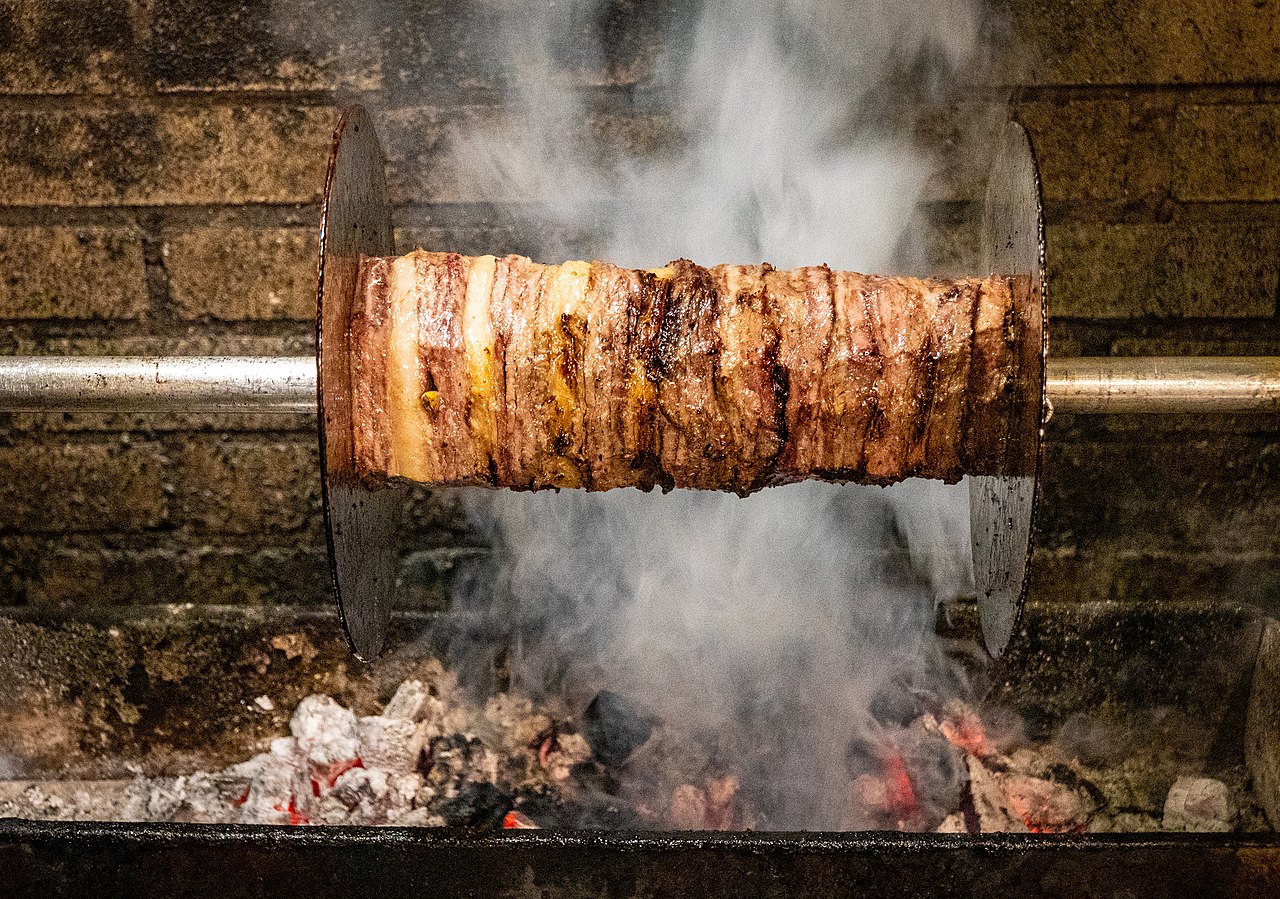
Shawarma is a widely consumed street-food dish in the Arab world and beyond consisting of seasoned, thinly sliced meat cooked on a vertical rotating spit. As the outer layers roast they are shaved off and served hot, typically wrapped in flatbread or plated with accompaniments. The word appears in Arabic as شاورما, and related terms in neighboring languages reflect the same rotisserie technique: in Turkish a comparable name is çevirme, literally meaning "turning".
Image gallery
10 Images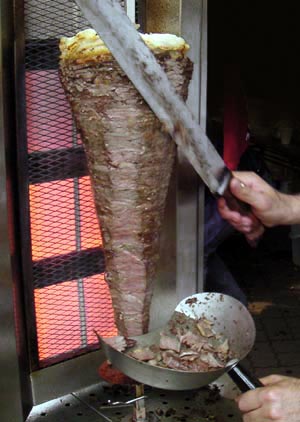


Typical ingredients
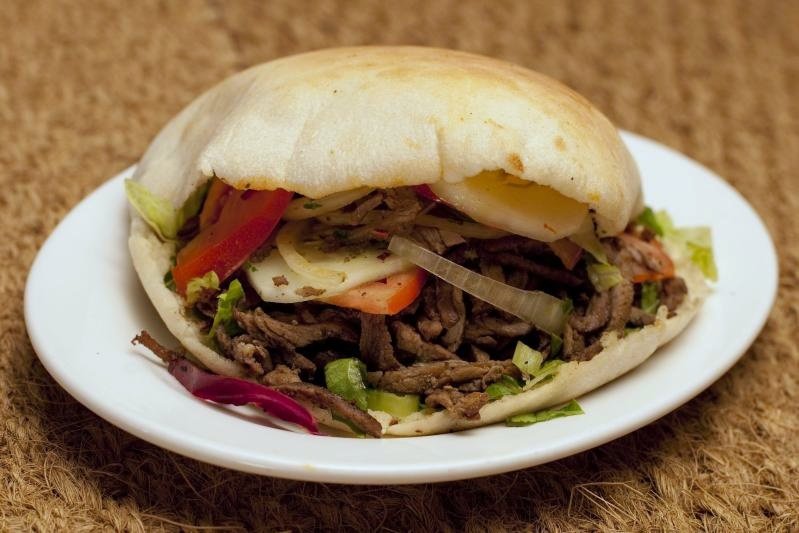
Shawarma commonly uses marinated meat—lamb, beef, chicken or turkey—stacked on a spit. The marinade often blends spices such as cumin, coriander, paprika and cinnamon with acidic components like lemon juice or vinegar; some recipes include yogurt to tenderize. Vegetables and condiments include tomatoes, cucumbers, shredded cabbage, pickled turnips or onions, and a selection of sauces; popular choices are garlic sauce (toum), tahini and spicy condiments. When served as a sandwich, breads such as pita or laffa are used to hold the fillings.
Preparation and cooking
The preparation centers on a vertical spit heated by a gas or electric burner. The stacked, marinated meat is turned slowly so its exterior chars slightly as it cooks; slices are then shaved from the outer surface. Vendors control doneness by adjusting the heat and shaving technique, producing combinations of crisp edges and tender interior pieces. Variations in marinade, cooking time and serving style create regional differences.
History and relation to other rotisserie foods
Shawarma developed in the eastern Mediterranean as part of a family of rotisserie dishes that includes the Ottoman doner kebab, the Greek gyros and other local adaptations. The form spread across the Levant and North Africa and later to Europe, the Americas and Asia through migration and trade. In different countries the name and seasonings changed; in some places the term shoarma or other spellings are common.
Regional variants and influences
Levantine shawarma often favors garlic-based sauces and pickled vegetables, while Egyptian and North African preparations may use local spice blends. Turkish and Balkan versions emphasize different spice profiles and breads. Outside the Middle East, similar rotisserie techniques influenced dishes such as the Mexican al pastor (via Lebanese immigrants) and the Greek gyro.
Serving, culture and contemporary presence
Shawarma is a staple of casual and street dining because it is portable, adaptable and economical. It appears in fast-food outlets, neighborhood stands and fine-dining menus where chefs reinterpret marinades and accompaniments. Attention to hygiene when slicing from a spit and to balanced portions of meat, bread and vegetables helps maintain food safety and a nourishing meal.
Further reading and resources
For language, culinary and cultural contexts, see entries for the Arabic term شاورما, the Turkish name çevirme, general information on meat preparation, guides to building a perfect sandwich, and surveys of regional foodways in the Arab world and the wider Middle East. Comparative topics include spelling variants like shoarma, and related meats such as beef, turkey and chicken, as well as the historic connection to doner kebab.
Related articles
Author
AlegsaOnline.com Shawarma: Middle Eastern rotisserie meat sandwich and its variants Leandro Alegsa
URL: https://en.alegsaonline.com/art/89543