
Shiitake mushroom (Lentinula edodes) — edible fungus, cultivation and uses
Comprehensive overview of the shiitake mushroom (Lentinula edodes): identification, cultivation methods, common varieties, culinary uses, and notable facts about its cultivation and composition.
The shiitake mushroom, Lentinula edodes (formerly placed in Lentinus), is a widely cultivated edible fungus valued for its firm texture and savory flavor. Native to East Asia, it grows naturally on decaying hardwoods and has been propagated by people for centuries. In modern food systems it is among the better known cultivated mushrooms worldwide; both fresh and dried shiitake are staples in East Asian cuisines and in specialty markets elsewhere. For general information, see Shiitake.
Image gallery
10 Images




Appearance and biology
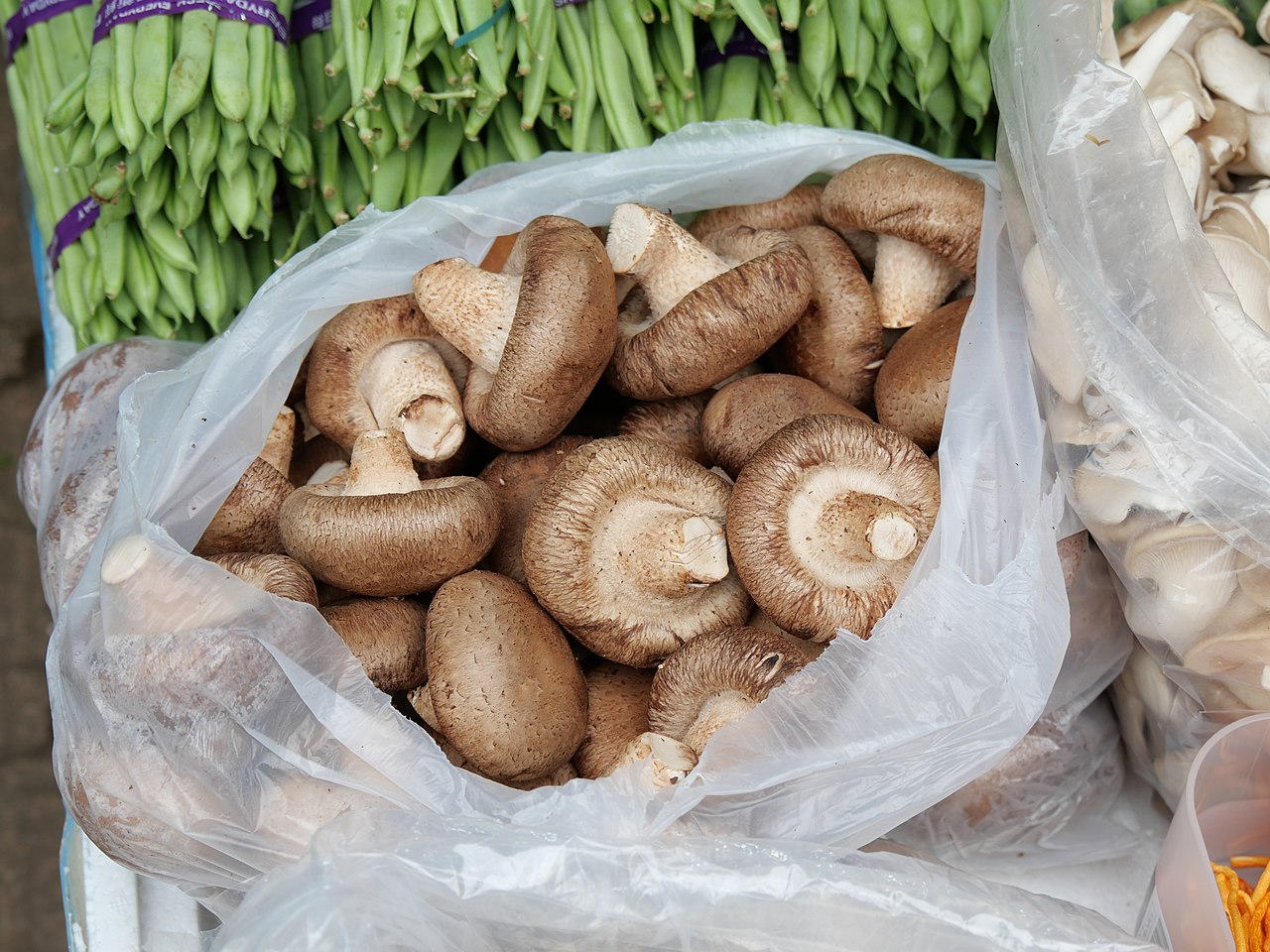
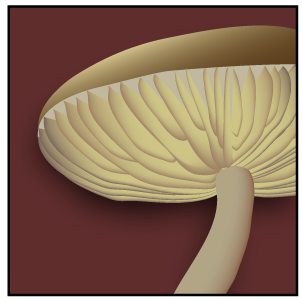
Shiitake fruit bodies typically have a brown to tan convex cap, pale gills on the underside and a central stem. The cap surface can be smooth or develop a cracked "flower" pattern on some cultivars. Spores are produced on the gills; the species is a wood-decay fungus that decomposes lignin and cellulose in dead hardwoods. Its flavor is noted for pronounced umami, contributed by natural glutamates and other taste-active compounds.
History and cultivation
Cultivation of shiitake has long roots in East Asia, where traditional methods used inoculated hardwood logs. Modern commercial production also uses sterilized sawdust or compressed substrate blocks, which allow faster, more uniform crops. Cultivators introduce spawn into prepared logs or substrates, allow mycelium to colonize, then provide environmental cues such as humidity and cooler temperatures to induce fruiting. Many strains fruit in a temperature window roughly between 7°C and 26°C, with some varieties preferring cooler conditions.
Culinary uses and preparation
Shiitake are versatile in cooking. Fresh mushrooms are sliced for stir-fries, soups, stews and braises; the stems are fibrous and often used to flavor broths. Drying concentrates flavor and produces a characteristic savory aroma; dried shiitake are routinely rehydrated before use, and the soaking liquid is commonly incorporated into stocks. They are prominent in Japanese, Chinese and Korean dishes as well as in vegetarian cuisine where their texture and taste substitute for meat.
Varieties, grading and notable forms
Several cultivated forms are distinguished by cap thickness, cracking patterns and seasonality. High-grade specimens are sometimes called dōnggū ("winter mushroom"), prized for thick flesh and a compact cap. The so-called "flower mushroom" (huāgū) displays a decorative fissured pattern on the cap surface that develops under certain growth or drying conditions. Growers select strains and manage temperature and humidity to achieve desired traits.
Uses beyond cooking and notable facts
Beyond culinary roles, shiitake are studied for bioactive components found in their cell walls and fruit bodies, and extracts have been investigated in food science and health research. They are also important in sustainable agriculture and woodlot management because log-based cultivation makes use of small-diameter hardwoods. As a widely cultivated edible mushroom, shiitake combine culinary popularity with a long history of human cultivation.
- Common substrates: hardwood logs (oak, chestnut and related species) or sterilized sawdust blocks.
- Typical uses: fresh sauté, dried rehydrated in broths, grilled, simmered in soups and stews.
- Notable descriptors: umami-rich, meaty texture, versatile in vegetarian and conventional cuisines.
Features
The mushroom has a light to dark brown cap and grows on various deciduous trees, preferably those with hard wood. In China and Japan it has been cultivated for a long time, e.g. on beech, oak, sweet chestnut, maple, walnut and others. The lamellae run somewhat down the stem and are smooth to rough. The peduncle is usually in the middle of the cap, but may attach somewhat to the side. The edge of the cap is still curled inwards when young. The skin of the cap is usually covered with delicate flakes. In China, the shiitake is called dōnggū - 冬菇 - or xiānggū - 香菇 - which can be paraphrased as "mushroom of winter" or "fragrant mushroom" and refers to the fine, mushroomy fragrance it gives off when fresh or especially when dried. In contrast, huāgū - 花菇, is the king of shiitake mushrooms. It has a slightly dark surface (mushroom cap); the mushroom body, the "top of the calyx," is covered with patterns of white furrows, which gave it its name: "patterned (shiitake) mushroom." The "underside of the calyx" (mushroom lamellae) is slightly yellowish.
Distribution
In the forests of China and Japan, it grows wild, but the mushrooms available on the market there also all come from farms. Traditionally, trees are cut down during the growth phase, when the nutrients under the bark taste sweet. The fresh cut surfaces of the trees felled in this way form an ideal food base for the spores of the shiitake mushrooms. In Europe and North America, it does not occur in the wild, but is increasingly cultivated here as well.

Related articles
Author
AlegsaOnline.com Shiitake mushroom (Lentinula edodes) — edible fungus, cultivation and uses Leandro Alegsa
URL: https://en.alegsaonline.com/art/89770