
Shortening (culinary fat used in baking and frying)
Semisolid fat used to produce flaky, tender baked goods. Made from oils that are often hydrogenated; provides texture and stability but has health considerations related to trans fats.
Overview
Shortening is a semisolid culinary fat commonly used in baking to create tender, flaky, or crumbly textures. Unlike butter, which contains water and milk solids and is about 80% fat, shortening is formulated to be nearly 100% fat and therefore behaves differently during mixing and baking. It is valued for its plasticity, neutral flavor and relative stability at room temperature. Shortening is a type of fat often derived from vegetable sources and is widely used in baking and pastry work.
Image gallery
5 Images


How it affects texture
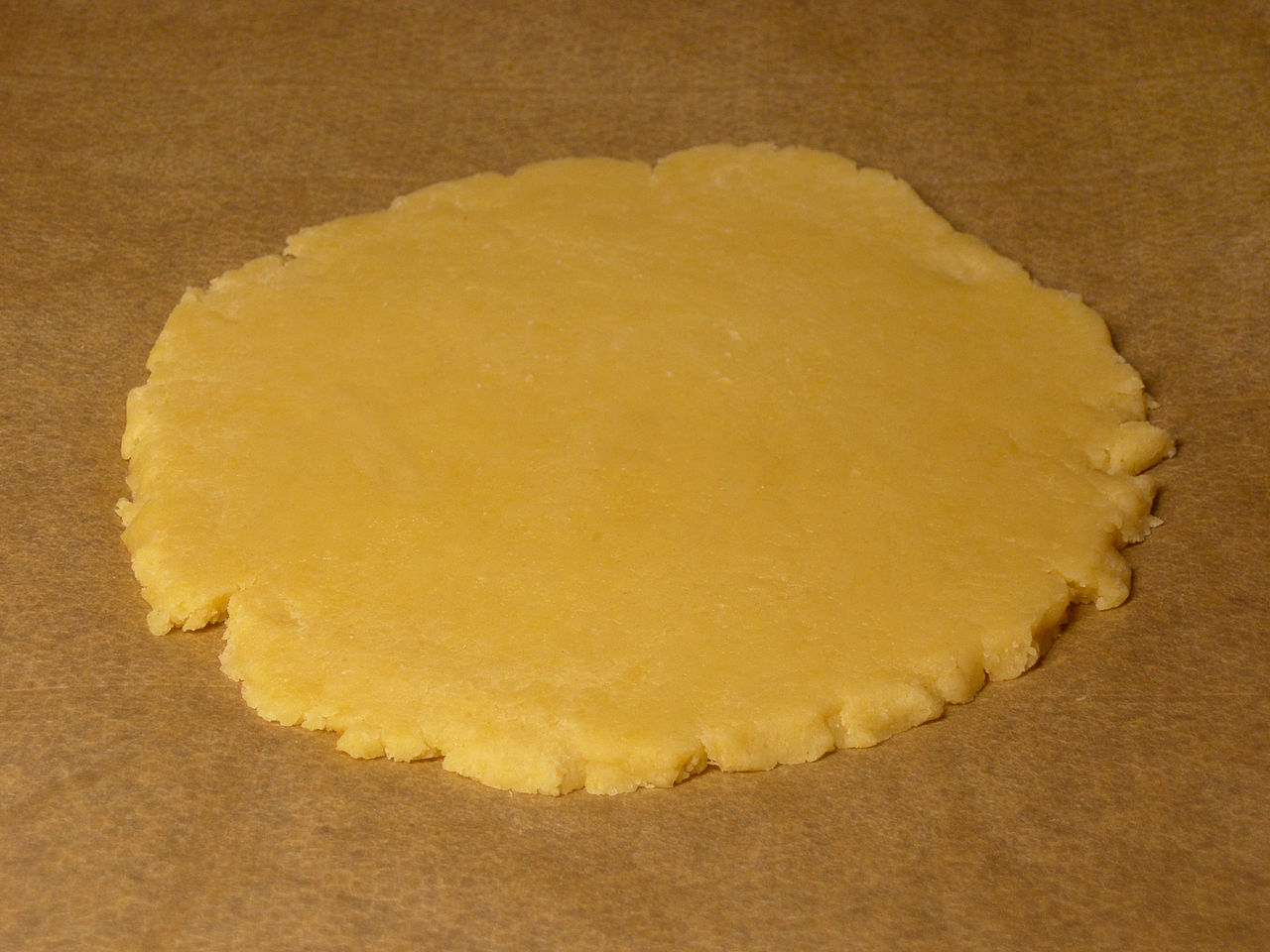
Shortening works principally by coating flour particles and interrupting the formation of continuous gluten networks. When fat coats flour, it prevents water and proteins from linking into long gluten chains or polymers, so the resulting crumb is tender rather than elastic. Because it lacks the water present in butter, shortening produces crisper edges and a flakier structure in items such as pie crusts and biscuits.
Composition and production
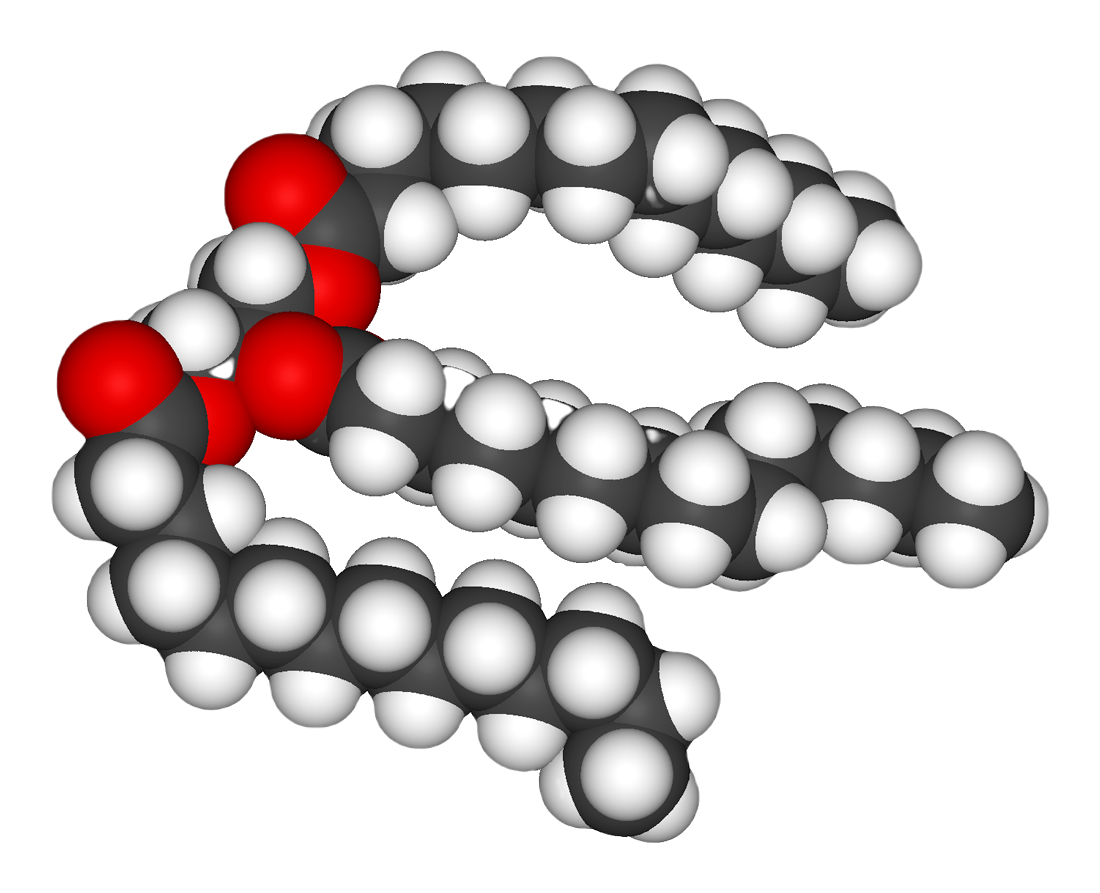
Traditionally, many shortenings are produced by modifying liquid vegetable oils so they become semisolid at room temperature. One common method was partial hydrogenation, which increases solidity but also creates hydrogenated fat molecules and can introduce trans fats. Because trans fats have been linked to higher risk of heart disease, manufacturers have shifted toward alternatives such as fully hydrogenated blends, interesterified fats, or naturally solid tropical oils to achieve similar functionality without or with much lower trans content.
Uses and practical examples
Shortening is used for a range of tasks where a stable, neutral fat is helpful. Typical uses include:
- Pie crusts and pastries where flakiness is desired
- Biscuits and scones for a tender crumb
- Cookies that require creaming for aeration
- Frying and commercial baking where long shelf life and consistent behavior matter
Storage, differences and health notes
Because shortening is almost all fat, it is less susceptible to microbial spoilage than water-containing spreads and usually does not require refrigeration; it also tends to have a higher smoke point than butter. It is generally less expensive than butter and can extend the shelf life of baked goods. However, consumers should be aware that older formulations contained significant trans fats; these have been associated with increased cardiovascular risk and prompted reformulation in the food industry. When choosing between butter, margarine and shortening, bakers consider flavor, water content and the desired texture as well as nutritional factors.
History and modern developments
Vegetable shortenings were popularized in the early 20th century as affordable plant-based alternatives to animal fats. Over time the category has evolved: today many products are specifically engineered to reduce trans fats and to balance saturated fats, functionality and taste. For more technical background on fats and modifications used in shortenings, consult resources on food fats and hydrogenation processes (hydrogenation, trans fats) or general overviews of edible oils and baking fats (oils, fats).
For introductory reading on baking science and gluten interaction see a primer on gluten and protein networks, and for ingredient-focused guides consult materials about baking techniques and ingredient selection (baking, polymers). Further health advisories and regulatory updates have been published relating to trans fats and the reformulation of processed fats.
Related articles
Author
AlegsaOnline.com Shortening (culinary fat used in baking and frying) Leandro Alegsa
URL: https://en.alegsaonline.com/art/90003