
Shah: Persian royal title, history, and cultural legacy
Shah is a Persian title meaning 'king' or 'ruler'. Historically used across Greater Iran and South Asia, it appears in royal styles, place names and surnames and influenced terms such as 'checkmate'.
The word "shah" (Persian: شاه) is a traditional title for a monarch or ruler that originated in the Persian-speaking world. As a short, distinctive honorific it has been used for centuries to designate kings and sovereigns in regions ruled by Iranian dynasties. Its basic sense is "king" or "ruler," and the term has travelled with Persian culture and administration into neighbouring areas.
Image gallery
3 Images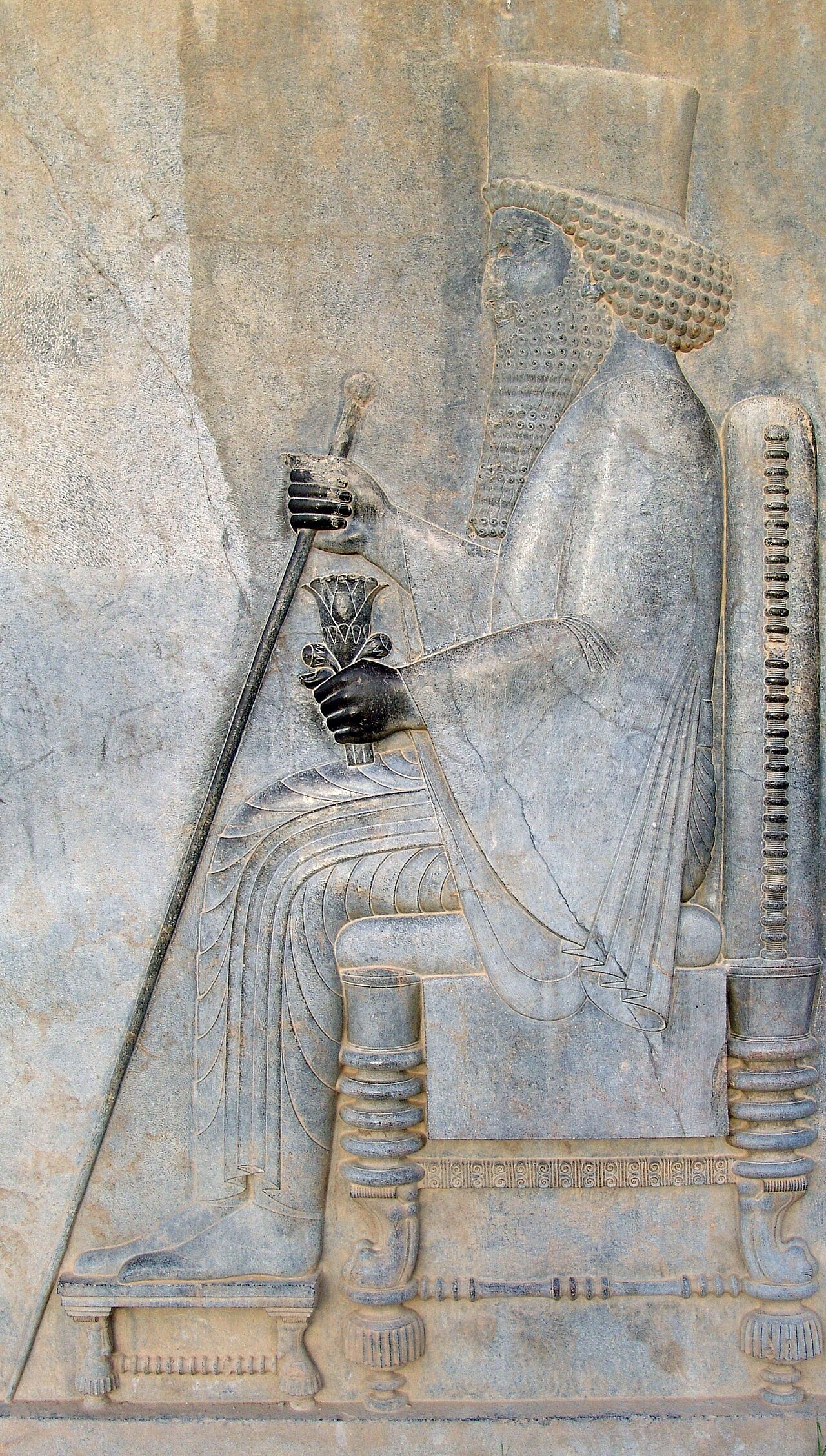


Origins and linguistic notes
Shah comes from Middle and Old Persian roots and became established as the standard royal title in historic Iranian polities. The form and meaning of the word entered other languages through contact and conquest; for readers interested in linguistic discussions, see broader notes on etymology and historical development. A commonly cited connection between Persian and the game of chess links the phrase often rendered as "shah mat" to the origin of the English word "checkmate," where the imagery of the king being trapped or helpless is central to the game's objective. For that popular etymology see sources on chess terminology.
Historical use and notable rulers
Throughout antiquity and the medieval period, various Iranian dynasties employed the title in royal titulature. In larger imperial styles the word could be compounded or augmented (for example the idea of "king of kings"). In modern memory the title is strongly associated with the monarchy of Iran, and in particular with Mohammad Reza Pahlavi, often referred to in English simply as "the Shah." His reign in the mid–20th century and his role in Iran's political history are widely discussed in studies of the period.
Use beyond Persia: South Asia and surnames
Because of Persian cultural influence across South and Central Asia, the title appears in names and honorifics outside modern Iran. In the Indian subcontinent the element "Shah" occurs in royal names and in family names; the Mughal emperor commonly known as Shah Jahan is a prominent historical example, noted for commissioning the Taj Mahal. Today the word also functions as a surname among diverse communities in India, Pakistan and Afghanistan, where it is borne by people of different faiths and backgrounds.
Titles, derivatives and forms
- Compound and elevated forms: variations such as "king of kings" were used in imperial rhetoric to indicate supremacy.
- Gender and familial derivatives: feminine and diminutive forms have been used historically to indicate queens, princes or princes’ offspring.
- Sociolinguistic use: over time, "Shah" moved from an exclusive royal style into a component of personal names and honorifics throughout Persianate societies.
Notable cultural facts and distinctions
The word "shah" retains both historical weight and contemporary familiarity. It evokes royal institutions and dynastic history in Iran and beyond, but in everyday life it is also a common surname and a cultural reference point. The link between the Persian royal title and chess terminology is a well-known example of how the language of rulership entered broader vocabulary. For general reference about the Persian language and the term itself see further reading on Persian usage and etymology.
For quick reference: the origin of the word lies in Persian usage (Persian), its most prominent modern association is with Mohammad Reza Pahlavi in Iran, and its cultural footprint extends through India, Pakistan and Afghanistan. For linguistic and historical details see dedicated entries on etymology (etymology) and on the connection to chess (chess).
Related articles
Author
AlegsaOnline.com Shah: Persian royal title, history, and cultural legacy Leandro Alegsa
URL: https://en.alegsaonline.com/art/89364
Sources
- merriam-webster.com : Definition and origins of Checkmate