
Mohammad Reza Pahlavi — Last Shah of Iran (1919–1980)
Mohammad Reza Pahlavi was Iran's final monarch, ruling from 1941 to 1979. His era saw rapid modernization, close Western alliances, and political repression that culminated in the 1979 revolution and the end of the monarchy.
Overview
Mohammad Reza Pahlavi was the last monarch of modern Iran. His name in Persian is often given in studies of 20th‑century Middle Eastern history. He became Shah after the forced abdication of his father in 1941 and reigned until the Iranian Revolution of 1979. During his rule the country commonly referred to as Iran experienced large investments in industry, infrastructure and education alongside controversial political measures.
Image gallery
10 Images


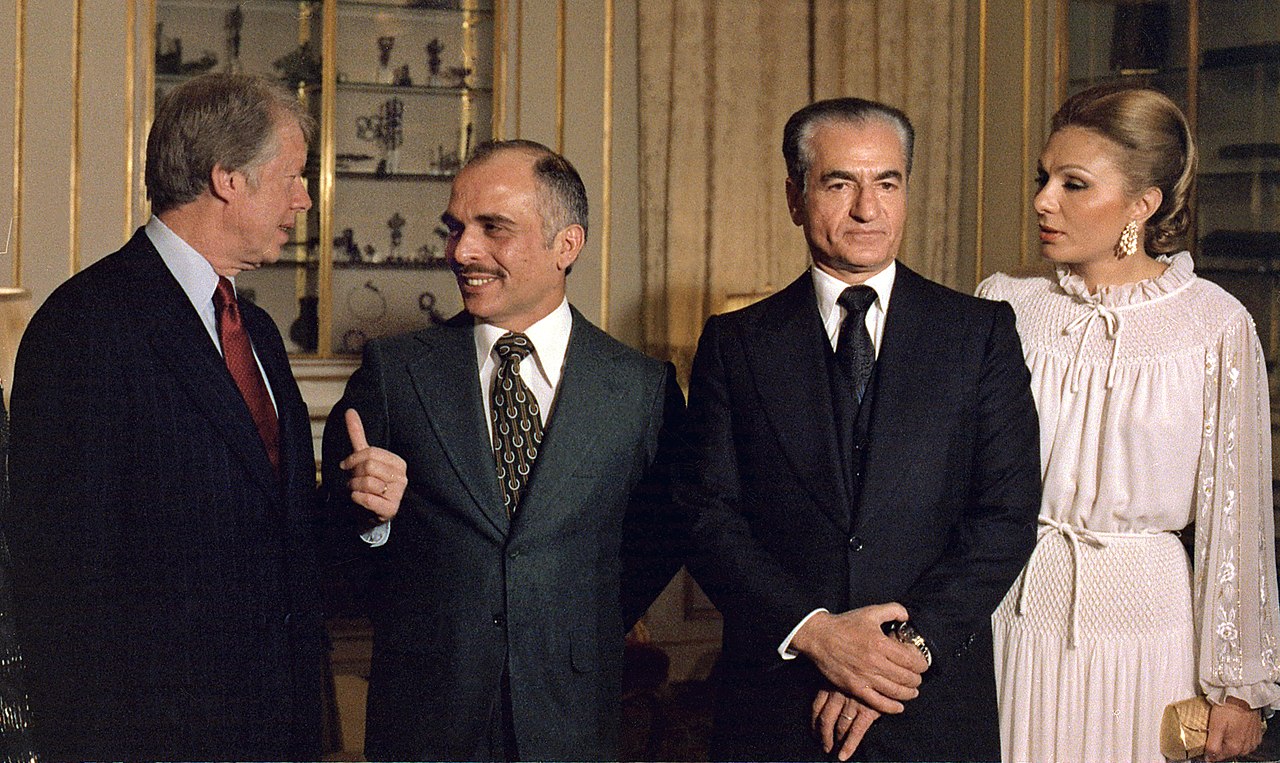

Early life and accession
Born in 1919, he succeeded to the throne while still young and guided the monarchy through World War II and the early Cold War. His government consolidated power in the 1950s after a crisis surrounding Prime Minister Mohammad Mossadegh and the nationalization of the oil industry; that episode led to a coup in 1953 which strengthened the Shah's position and his ties with Western powers.
Policies, modernization and institutions
From the 1960s the Shah launched an ambitious program of reform and modernization, commonly called the White Revolution. Reforms aimed to transform rural society, expand education and develop industry. Notable program elements included:
- land reform and changes in agricultural ownership
- expanded literacy and public health initiatives
- industrial and infrastructure projects funded by oil revenues
These changes produced economic growth and greater urbanization, but also social dislocation and resentment among clerical, traditional and leftist groups. Political control was maintained through a centralized court, security services and an intelligence agency often criticized for harsh methods.
Opposition and the 1979 upheaval
Growing political repression, perceived inequality, rapid cultural change and disputes over the role of religion and the state increased opposition. A broad coalition ranging from religious leaders to secular activists participated in protests that culminated in 1979 and overturned the monarchy. The revolution replaced the prior government with a new state structure centered on Islamic leadership after the mass movement that is usually referred to as the revolution.
Exile and death
Following his departure he lived in several countries before dying in exile in a hospital in Cairo in July 1980. His illness has been described in medical and historical accounts as a form of blood cancer. His death marked the end of the Pahlavi dynasty and the conclusion of a contentious chapter in Iran's modern history.
Legacy and assessments
Assessments of the Shah's reign remain mixed. Supporters emphasize economic development, modernization and the secularization of state institutions. Critics highlight authoritarianism, human rights abuses and policies that alienated key social groups. His life and rule continue to be studied as a case of rapid state‑led modernization and the limits of elite‑driven reform in a changing society.
Persian, Shah, Iran, abdication, Iranian Revolution, revolution, government, Cairo
Author
AlegsaOnline.com Mohammad Reza Pahlavi — Last Shah of Iran (1919–1980) Leandro Alegsa
URL: https://en.alegsaonline.com/art/127169