
South African Republic (Zuid-Afrikaansche Republiek, Transvaal)
Independent Boer state in the Transvaal region (mid-19th century–1902), its institutions, economy, conflicts with Britain, and legacy in South African history.
Overview
The South African Republic (Dutch: Zuid-Afrikaansche Republiek, commonly abbreviated ZAR and often called the Transvaal) was an independent Boer-ruled state in the highveld region north of the Vaal River in what is now northeastern South Africa. It emerged in the mid-19th century after migratory Afrikaner farmers sought autonomy from British rule, and it remained a central actor in southern African politics until its defeat in 1902.
Image gallery
5 Images



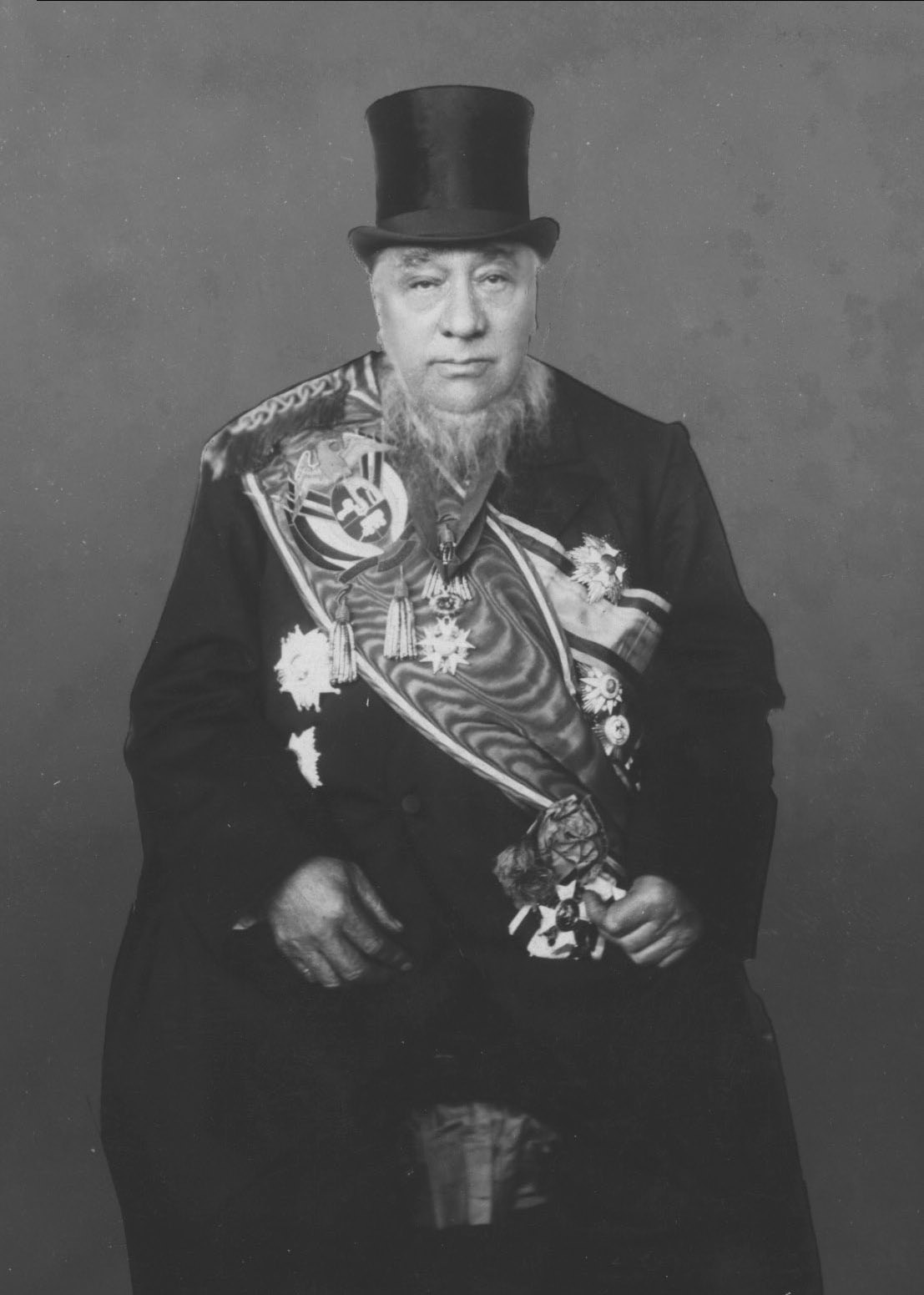
Origins and government
Its roots lie in the Great Trek of the 1830s and 1840s, when groups of Dutch-speaking colonists (Boers) left the British-controlled Cape Colony. Diplomatic recognition of the Transvaal's independence followed agreements such as the Sand River Convention in 1852. The republic was governed by a written constitution and institutions typical of small settler republics: an elected executive (the State President), a Volksraad (legislative assembly), and local magistracies. The official language was Dutch, which later gave way to Afrikaans in everyday use, and the Dutch Reformed Church played a prominent cultural role.
Economy, society and territory
Originally an agrarian society of largely pastoral farmers, the Transvaal's economy transformed after the discovery of significant mineral deposits, especially the Witwatersrand goldfields in the 1880s. Mining spurred rapid urban growth, infrastructure development and an influx of foreign workers and investors (often called "uitlanders"). Indigenous African communities inhabited and contested much of the territory; relations with these groups were shaped by land pressures, labor needs and shifting alliances.
Conflicts and decline
Tensions with Britain rose as the Transvaal's mineral wealth attracted imperial interest. The republic fought the First Boer War (1880–1881), successfully restoring its autonomy after brief conflict. Rising tensions over political rights for foreign workers, economic control and imperial strategy culminated in the Second Boer War (1899–1902), in which British forces—supported by colonial troops from the Cape and Natal—defeated the Boer republics. See the larger context of southern African conflicts in sources such as regional histories and discussions of colonial expansion involving the Cape Colony and Natal. The peace terms in 1902 ended the republic's sovereignty; it became the British Transvaal Colony and later part of a unified South Africa.
Legacy and distinctions
The ZAR is distinct from other 19th-century entities like the Orange Free State and the British colonies, both in its republican institutions and its Afrikaner cultural identity. Its legal and political traditions influenced subsequent South African government structures, while the conflicts that ended its independence shaped 20th-century race, labor and land policies. For further study, consult accounts of the Second Boer War, the administrative transition to the Transvaal Colony, and modern historical analyses of Afrikaner statecraft.
- Also called: Transvaal Republic, ZAR
- Capital (notable): Pretoria served as the administrative center
- Key events: Sand River Convention (1852), First Boer War, Second Boer War (1899–1902)
Related articles
Author
AlegsaOnline.com South African Republic (Zuid-Afrikaansche Republiek, Transvaal) Leandro Alegsa
URL: https://en.alegsaonline.com/art/92107