
Search and Rescue (SAR): Overview, Methods, and Organizations
Search and rescue (SAR) are coordinated efforts to find and assist people in distress or missing. This article explains types, assets, organization, techniques, technology and distinctions including combat SAR.
Search and rescue (SAR) refers to organized efforts to locate people who are lost, injured, trapped or otherwise in imminent danger and to provide them with emergency aid. SAR operations occur in many environments — at sea, in the air, in wilderness and in urban settings — and range from short local responses to large multi-agency campaigns that may last many days. Both professional agencies and trained volunteers commonly take part.
Image gallery
10 Images

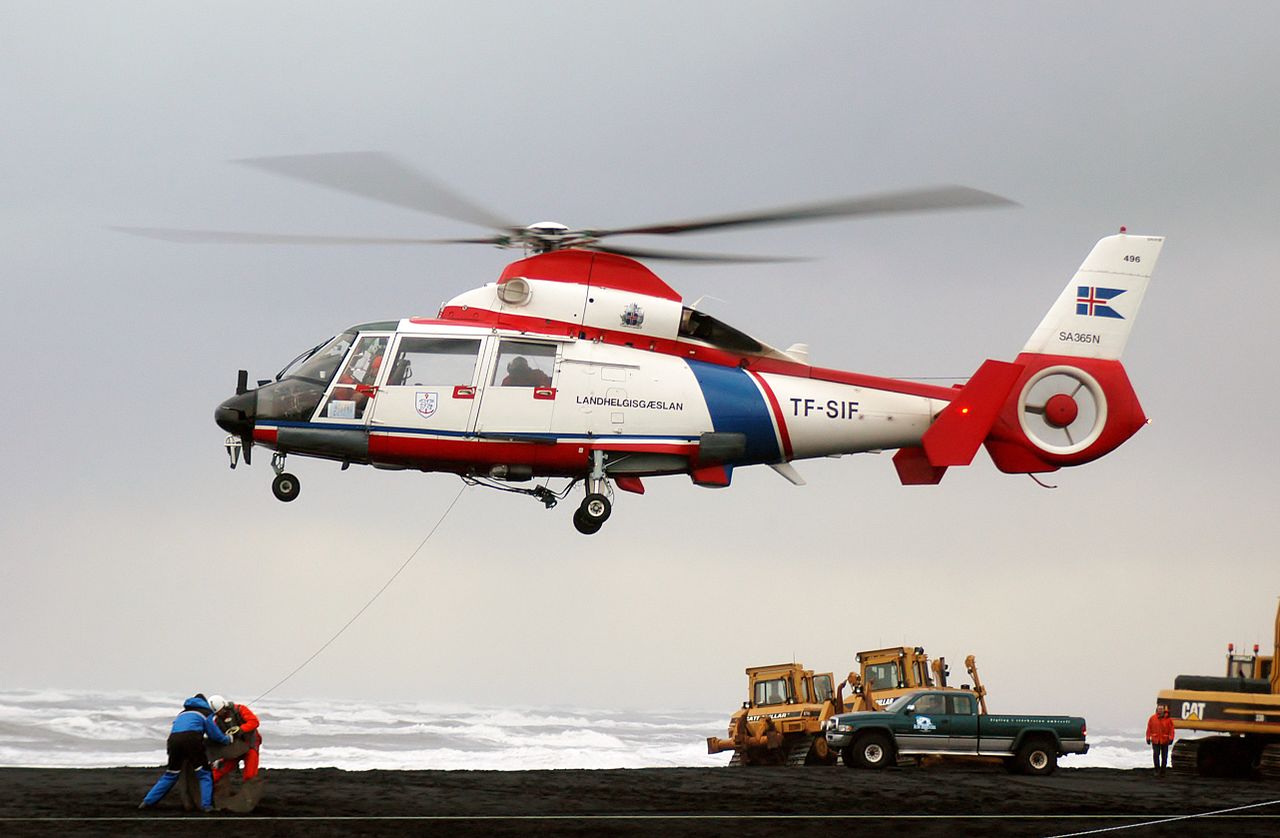


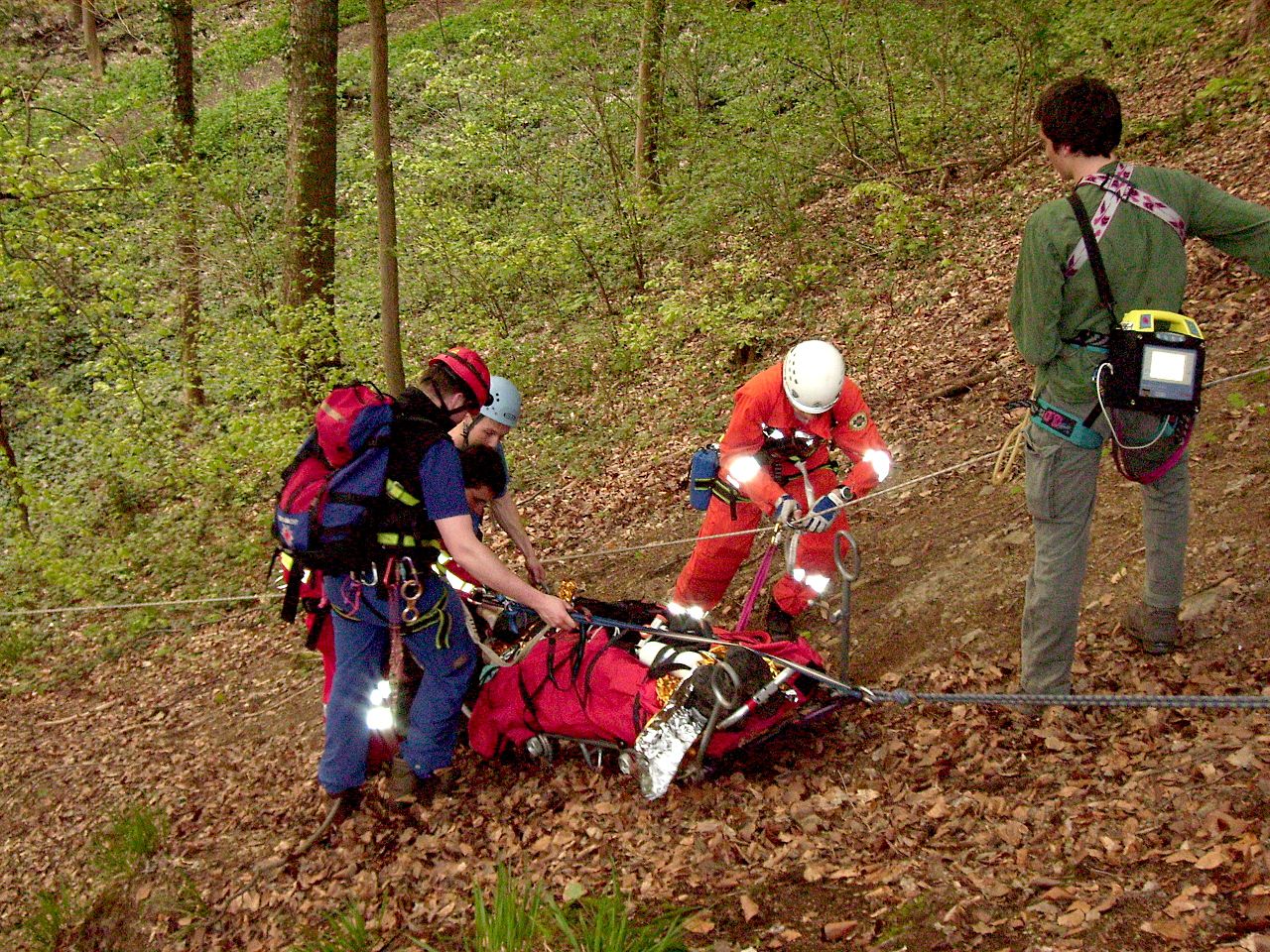
Typical assets and techniques
Common platforms and tools used in SAR include ships, helicopters, land vehicles, fixed‑wing aircraft, unmanned aerial systems, rescue boats and specialized ground teams. Other frequently used resources are trained search dogs, dive teams, rope and alpine teams, medical personnel and incident command systems that coordinate resources and communications.
Major types of SAR
- Maritime SAR: responses to vessels, swimmers or people in coastal and open-sea incidents, often coordinated by coastguards or naval services as in operations at sea.
- Wilderness and mountain SAR: finding lost hikers, climbers and others in remote terrain using trackers, scent dogs and alpine skills.
- Aeronautical SAR: locating downed aircraft and rescuing aircrew or passengers.
- Urban SAR: specialized work after building collapses, major storms or other disasters to locate people trapped in debris.
- Combat SAR: a military variant focused on recovering isolated personnel from hostile environments, often involving special forces and dedicated rescue units; examples include operations by units such as the United States Navy SEALs in combat contexts.
Organizations, roles and volunteers
SAR missions are carried out by a mixture of civilian and military organizations. Civilian responders include national coast guards, volunteer mountain rescue teams and public-safety agencies; civilians may also form independent rescue groups. Military units and assets, referred to here as military, are often used when the scale, location or danger warrants their involvement. Local police and firefighters frequently play key roles in coordinating initial response and providing on-scene rescue.
Coordination, equipment and technology
Effective SAR depends on clear command structures, communications and shared procedures. Coordination centers manage search patterns, resource allocation and tracking of assets. Modern technology — signaling beacons, emergency position-indicating radio beacons, personal locator beacons, GPS, satellite communication, thermal imaging and drones — has increased the speed and precision of searches. Safety and risk management remain essential because rescuers often operate in hazardous conditions.
History, training and importance
Organized SAR developed alongside advances in navigation, aviation and maritime law; international agreements and national regulations now define responsibilities and standards for many countries. Training emphasizes medical care, navigation, rope- and water-rescue skills, and interoperability between agencies. SAR saves lives, reduces suffering after accidents and disasters, and supports national security when military recoveries are needed. Communities rely on a blend of paid professionals and volunteers to maintain readiness and to respond whenever people are in peril.
For more procedural details, legal frameworks and regional practices, consult national guidance and international rescue organizations via official channels: see agencies that maintain maritime coordination and local SAR authorities by following links to responsible organizations and resources such as fire and rescue services and land-based response units.
Further reading and operational references can be found through specialized materials and the websites of search-and-rescue agencies: ships, helicopters, and the range of responders listed above all play parts in this lifesaving work.
Related articles
Author
AlegsaOnline.com Search and Rescue (SAR): Overview, Methods, and Organizations Leandro Alegsa
URL: https://en.alegsaonline.com/art/88338