
SEAT Ibiza: overview, generations, design and role in the supermini segment
Compact supermini from Spanish automaker SEAT introduced in 1984. History of its generations, platform sharing, body styles, notable variants and its place in the Volkswagen Group lineup.
Overview
SEAT Ibiza is a compact supermini (B-segment) hatchback introduced in 1984 and produced by the Spanish manufacturer since that year. Named after the Balearic island of Ibiza, the model has been a core product for SEAT across multiple decades, evolving from small, independent designs to vehicles that share platforms and technologies with other cars in the Volkswagen Group. The Ibiza has been offered in a variety of body styles and trim levels, and in recent generations emphasizes efficient small engines, contemporary connectivity and a sporty character in higher-spec variants.

Image gallery
10 Images


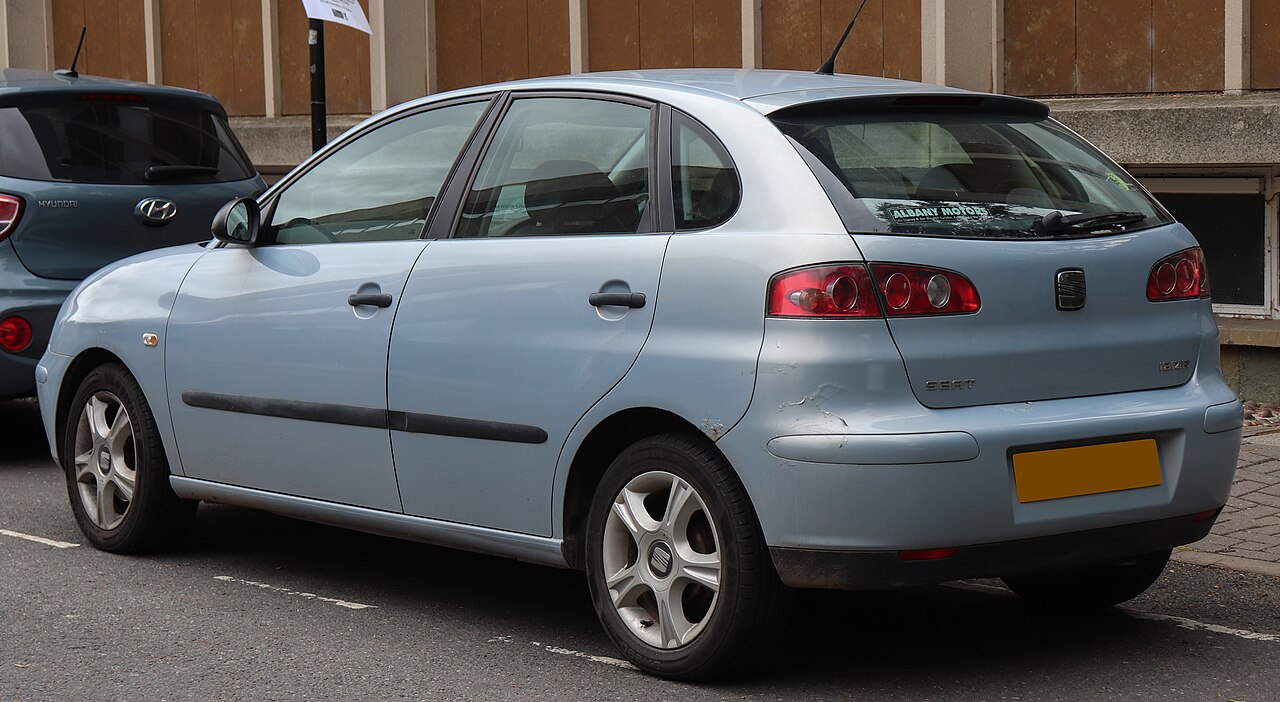

Key characteristics
The Ibiza occupies the supermini class: compact overall dimensions, hatchback configurations, and a focus on urban and suburban use. Typical features across the line include transverse-mounted petrol and diesel engines, front-wheel drive, and compact five-seat interiors. Over its life the model range has included two- and three-door hatchbacks as well as five-door versions; in the most recent generation SEAT streamlined offerings toward five doors only. Higher-trim and performance-oriented derivatives have provided sportier suspension tuning, distinct styling cues and richer equipment lists.

Generations and development
The Ibiza has progressed through five distinct generations, each reflecting changes in design trends and Volkswagen Group engineering. Important milestones include platform sharing and facelifts that kept the model competitive:
- First generation (introduced 1984): the original Ibiza launched SEAT into the modern supermini market and established the nameplate.
- Second generation (1993) and facelifts in 1996 and 1999: marked the start of close technical cooperation with Volkswagen, with the Ibiza adopting components and engineering common to Volkswagen Group small cars.
- Third generation (2002): further modernization of styling and interior quality.
- Fourth generation (2008): refinement of chassis and equipment as small cars became more premium in feel.
- Fifth generation (2017): built on Volkswagen Group small-car platforms (the modern variants of those architectures), the fifth-generation Ibiza consolidated the range into a five-door body and introduced contemporary infotainment and safety features; a restyled or facelifted version was unveiled in 2021.


Variants, derivatives and related models
Throughout its history the Ibiza has been offered in a range of trims from basic commuter models to sportier versions marketed under SEAT’s performance badges. The brand has also used the Ibiza as the basis for other models: for example, a small crossover derived from the Ibiza architecture entered the line-up, offering raised ride height and crossover styling cues to meet market demand for compact crossovers. The Ibiza’s relationship with Volkswagen Group platforms has allowed parts sharing with other small cars, which helps reduce costs and increases parts commonality across models.
Importance, production and notable facts
The Ibiza has been one of SEAT’s best-known models and contributed to the company’s image as a maker of lively, design-conscious small cars. It has been produced in SEAT’s Spanish manufacturing facilities and sold across Europe and other markets where compact cars are popular. Over time it has illustrated broader industry trends: the move from simple small cars to well-equipped, safety-conscious superminis and the shift toward platform consolidation within large automotive groups. For further context and a timeline of changes, see additional resources.
Distinctions and contemporary role
The Ibiza remains relevant as an affordable, compact choice within the crowded B-segment. Its evolution demonstrates how small cars have absorbed technologies once reserved for larger classes — such as advanced infotainment, driver-assistance features and efficient engine technologies — while keeping a competitive price and compact footprint. As market tastes continue to shift toward crossovers, SEAT has positioned models related to the Ibiza to capture buyers who want a compact car with a more rugged appearance or elevated driving position.
Related articles
Author
AlegsaOnline.com SEAT Ibiza: overview, generations, design and role in the supermini segment Leandro Alegsa
URL: https://en.alegsaonline.com/art/88366