
Seikan Tunnel: Japan’s Undersea Railway Link Between Honshu and Hokkaido
The Seikan Tunnel is a 53.85 km undersea railway link between Honshu and Hokkaido in Japan. Built to cross the Tsugaru Strait, it is one of the world's longest transport tunnels and key to rail connection northward.
The Seikan Tunnel is a major railway tunnel in Japan that links the main island of Honshu with the northern island of Hokkaido across the Tsugaru Strait. At 53.85 km in total length it ranks among the longest transport tunnels in the world. The tunnel passes beneath a wide stretch of sea; about 23.3 km of its route runs under the seabed, providing a fixed, year-round link that replaced the weather-vulnerable ferry services once used to cross the strait.
Image gallery
6 Images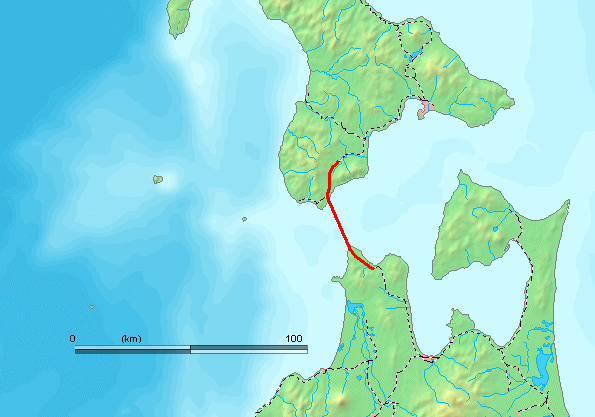




Design and characteristics
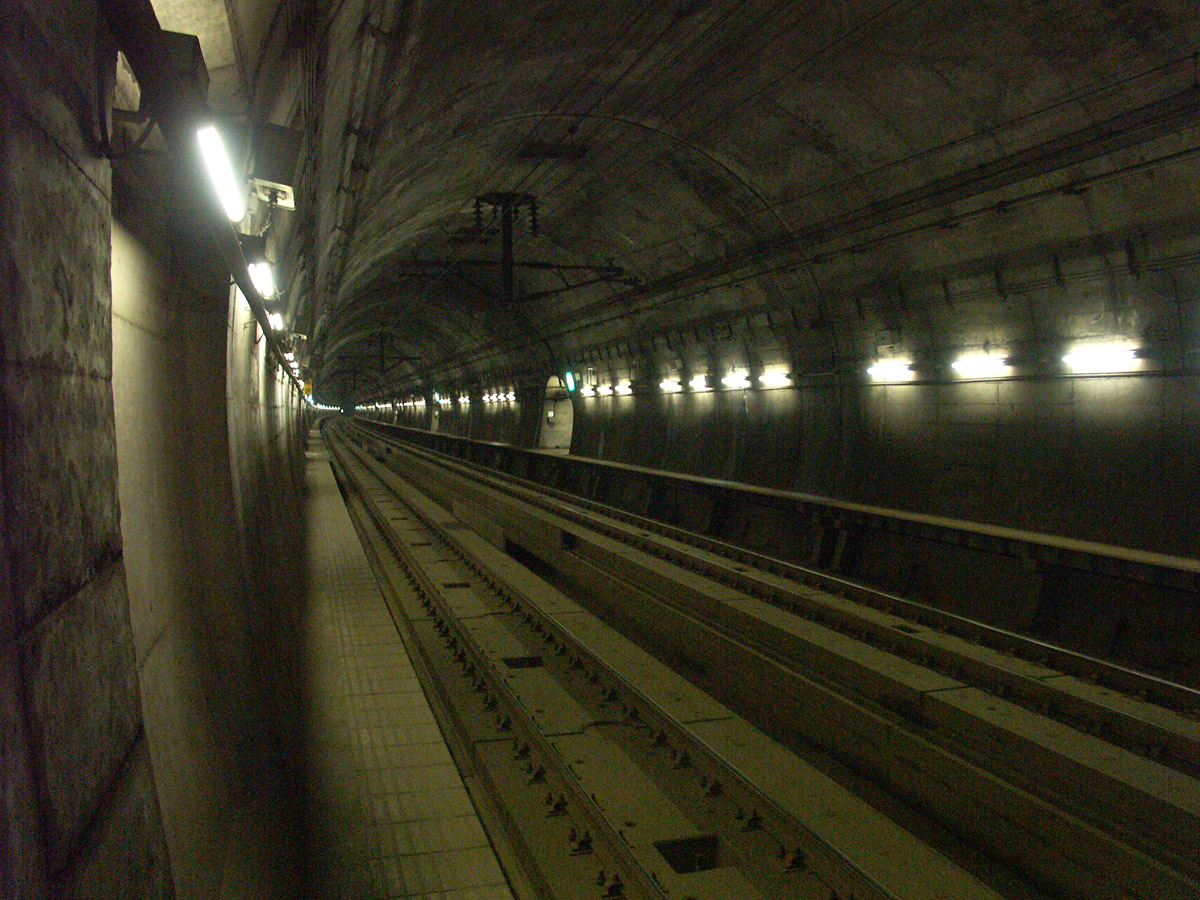
Engineered for heavy rail traffic, the tunnel was built with long single-bore sections, cross passages and two stations located within the tunnel structure. Technical measures addressed high water pressure, complex geology and ventilation needs for diesel and electric trains. The route’s total length—53.85 km (53.85 km / 33.49 miles)—includes the submerged portion and approach tunnels on both sides, linking Aomori Prefecture on Honshu with points on Hokkaido.
History and construction
Plans for a fixed link across the strait date back decades; a series of maritime disasters and the need for reliable transport spurred renewed commitment in the postwar era. Construction began in the 1970s and continued through the 1980s, reflecting the scale and difficulty of tunnelling beneath a busy sea channel. The work required coordinated excavation, waterproofing and safety systems, and it represented one of Japan’s most ambitious civil engineering projects of the era.
Two intermediate stations were incorporated into the tunnel to serve maintenance and emergency needs and, at one time, limited passenger access inside the undersea section. Today the tunnel carries high-speed passenger services and freight traffic and has been adapted to accommodate the Hokkaido Shinkansen, integrating the northern island more closely into the national rail network. The connection shortened travel times and provided a dependable alternative to ferries, especially in winter storms.
Importance and notable facts
- Strategic transport link connecting Honshu and Hokkaido, improving reliability and economic ties.
- One of the world’s longest transport tunnels with a lengthy undersea portion under the Tsugaru Strait.
- Serves mixed traffic, including high-speed Shinkansen services after later upgrades.
- Features internal stations and cross passages designed for safety and maintenance; two such stations lie within the tunnel complex (stations).
For further technical details, route maps and operational history, consult dedicated rail and infrastructure resources. The Seikan Tunnel remains a landmark of modern tunnelling and an essential component of Japan’s rail system, illustrating how engineering can overcome challenging natural barriers to connect regions year-round.
Aomori Prefecture is the Honshu-side jurisdiction most directly connected by the tunnel; additional references and archival material are available from regional transport authorities and engineering archives.
Questions and answers
Q: What is the Seikan Tunnel?
A: The Seikan Tunnel is a railway tunnel in Japan.
Q: Where does the Seikan Tunnel connect?
A: The Seikan Tunnel connects Hokkaido to Aomori Prefecture.
Q: What is the length of the Seikan Tunnel?
A: The Seikan Tunnel is 53.85 km (33.49 miles) long.
Q: How much of the Seikan Tunnel is underwater?
A: 23.3 km (14.5 miles) of the Seikan Tunnel is underwater.
Q: How many stations are there in the Seikan Tunnel?
A: There are two stations in the Seikan Tunnel.
Q: Where is the Seikan Tunnel ranked in terms of longest transport tunnels in the world?
A: The Seikan Tunnel is the second longest transport tunnel in the world.
Q: Why was the Seikan Tunnel built?
A: The Seikan Tunnel was built to improve transportation between Hokkaido and Aomori Prefecture.
Related articles
Author
AlegsaOnline.com Seikan Tunnel: Japan’s Undersea Railway Link Between Honshu and Hokkaido Leandro Alegsa
URL: https://en.alegsaonline.com/art/88590