
Seat belt
A safety restraint that secures vehicle occupants to their seats to reduce injury in crashes. Covers types, design features, proper use, history, and its role in modern vehicle safety systems.
Overview
A seat belt is a restraining device designed to secure a person to a seat in a motor vehicle, aircraft, or other conveyance. Its basic purpose is to limit forward and lateral motion in sudden deceleration or collision, preventing occupants from striking interior surfaces or being ejected. Seat belts are a primary passive safety feature in most modern vehicles and work together with airbags and structural design to reduce the severity of injuries.
Image gallery
10 Images


Design and common types
Seat belts vary by application and complexity. Common examples include:
- Lap belt: a simple strap across the hips, often used in older vehicles and some aircraft seats.
- Three-point belt: combines a lap belt and shoulder strap into a single continuous belt, the most common design in passenger cars.
- Four- and five-point harnesses: provide additional anchor points and are used in racing, child safety seats, and specialized equipment.
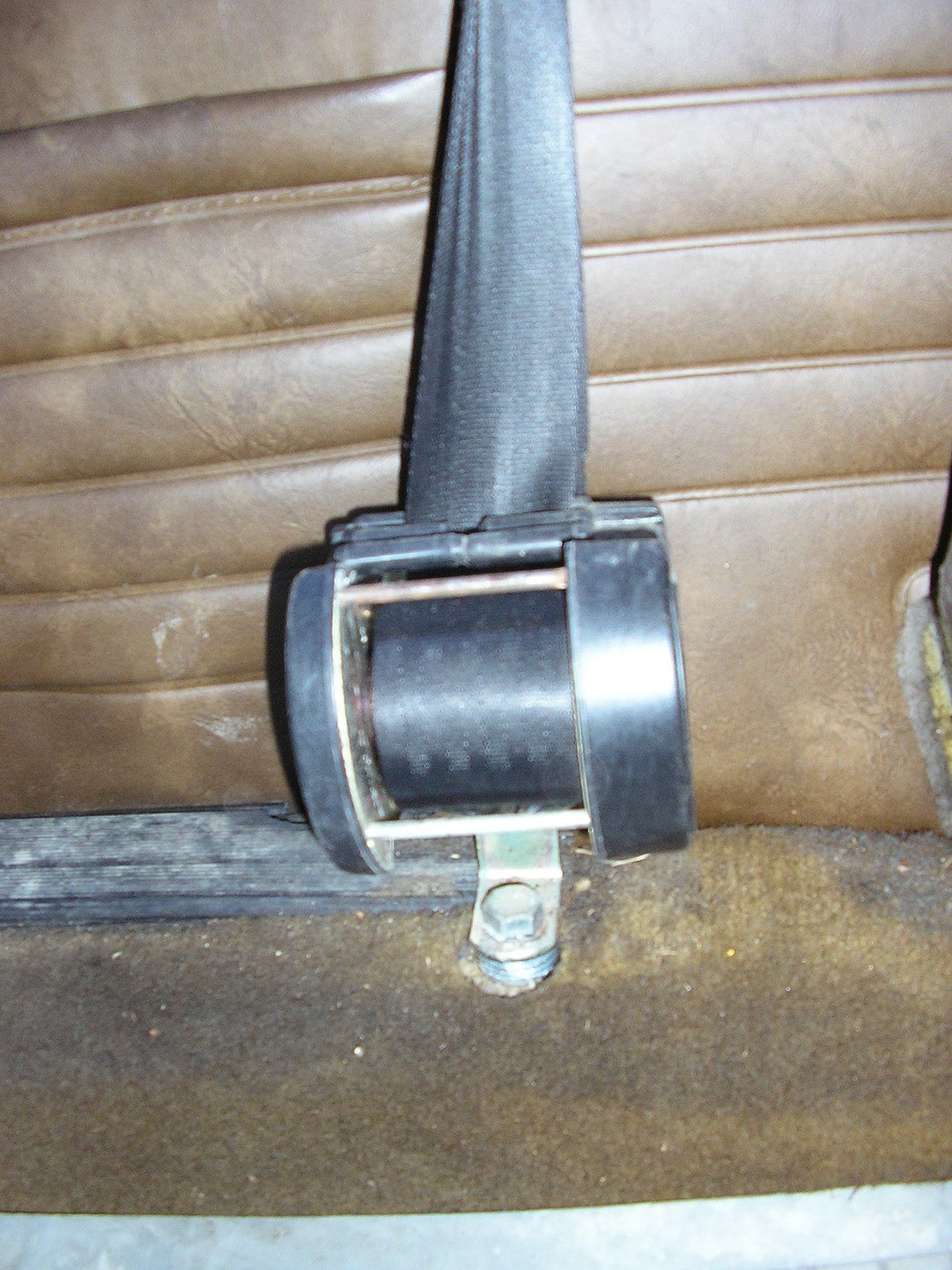
- Adjustable features: modern belts may include retractors, pretensioners that tighten on impact, and load limiters that manage force on the body.
History and development
Early motor vehicles had minimal restraints. During the mid-20th century, inventors and engineers proposed and patented improved belt designs, and automobile makers gradually began installing them as options and then as standard equipment. A landmark advance was the practical, easy-to-use three-point belt introduced by an automotive engineer in the late 1950s; the design spread quickly because it combined effective protection with convenience. Over time manufacturers and regulators promoted belts through safety campaigns and vehicle standards.
Proper use and effectiveness
To work correctly, a seat belt must be worn snugly: the lap portion should lie low across the pelvis and the shoulder strap should cross the chest and collarbone without twisting. Children require age- and size-appropriate restraints or booster seats. Studies and crash investigations consistently show that wearing a seat belt greatly reduces the likelihood of serious injury or death in crashes. For more technical guidance and standards see safety resources and regulatory guidance at vehicle safety authorities.
Legal and notable facts
Many jurisdictions require seat belt use by law; enforcement and exact requirements vary. Seat belts are widely credited as one of the most effective and economical safety measures in road transport, and they remain central to safety education and vehicle design. For historical accounts and manufacturer information consult historical summaries or published technical overviews at technical repositories.
Related articles
Author
AlegsaOnline.com Seat belt Leandro Alegsa
URL: https://en.alegsaonline.com/art/88364