
Seattle–Tacoma International Airport (Sea–Tac)
Major commercial airport serving Seattle and the Puget Sound region. Key hub for Alaska Airlines, located in SeaTac, Washington, and the largest airport in the U.S. Pacific Northwest.
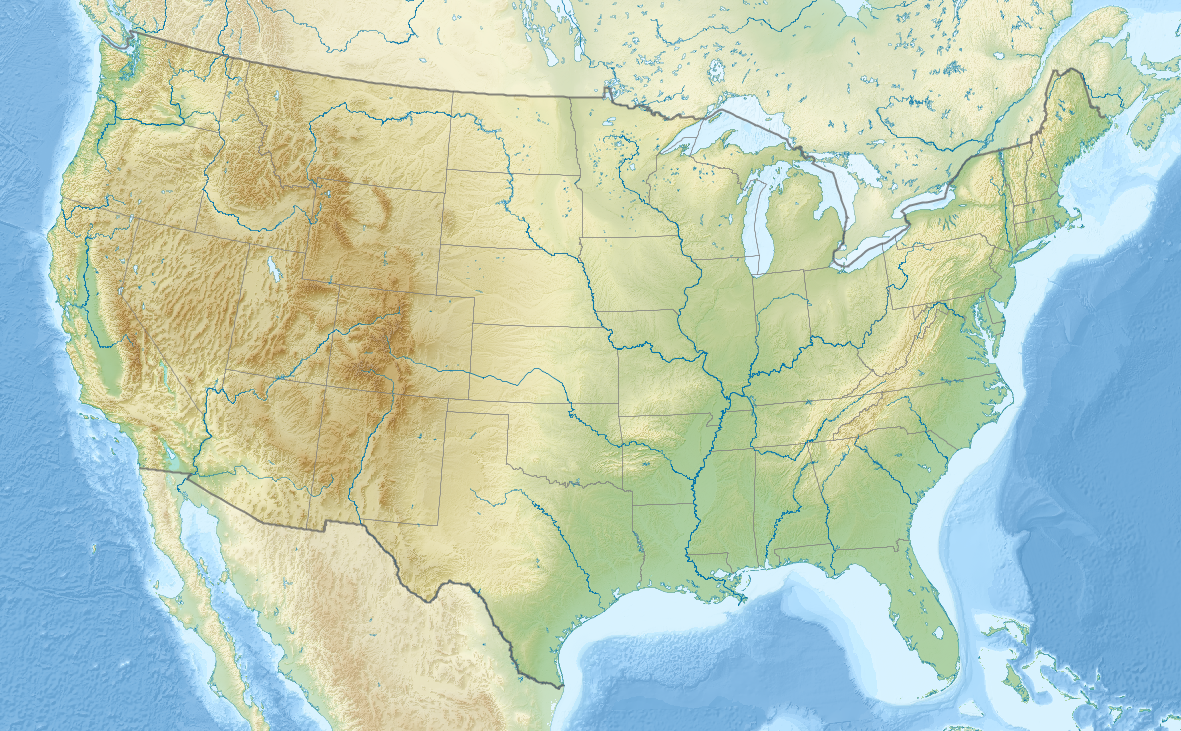
Seattle–Tacoma International Airport, commonly called Sea–Tac, is the primary commercial airport serving Seattle and the surrounding Puget Sound region. It is identified by IATA: SEA and by FAA: SEA. The airport sits in SeaTac, Washington, roughly 13 miles (about 21 km) south of downtown Seattle. For official information and traveler resources see the official airport page.
Image gallery
10 Images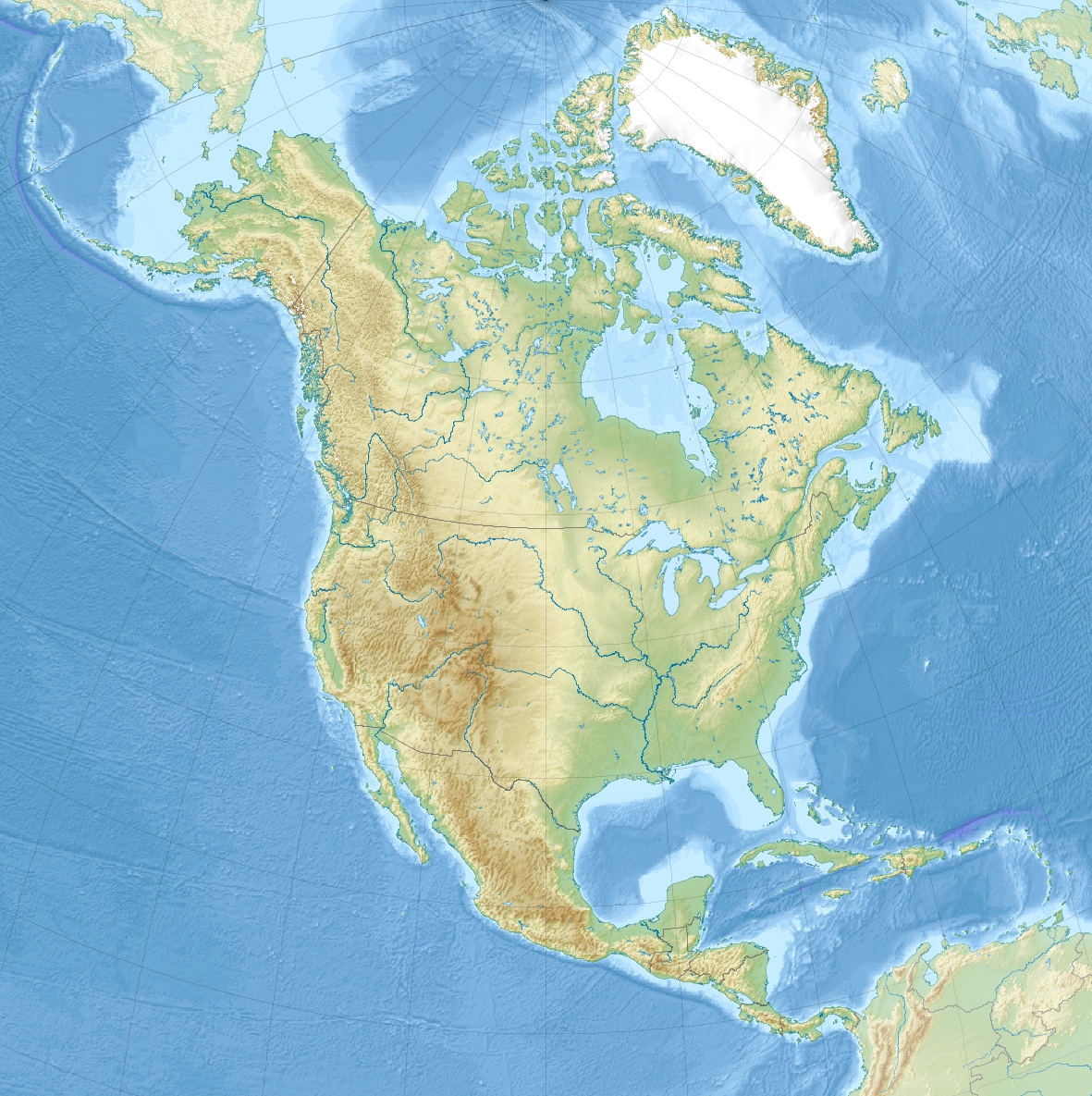



Facilities and layout
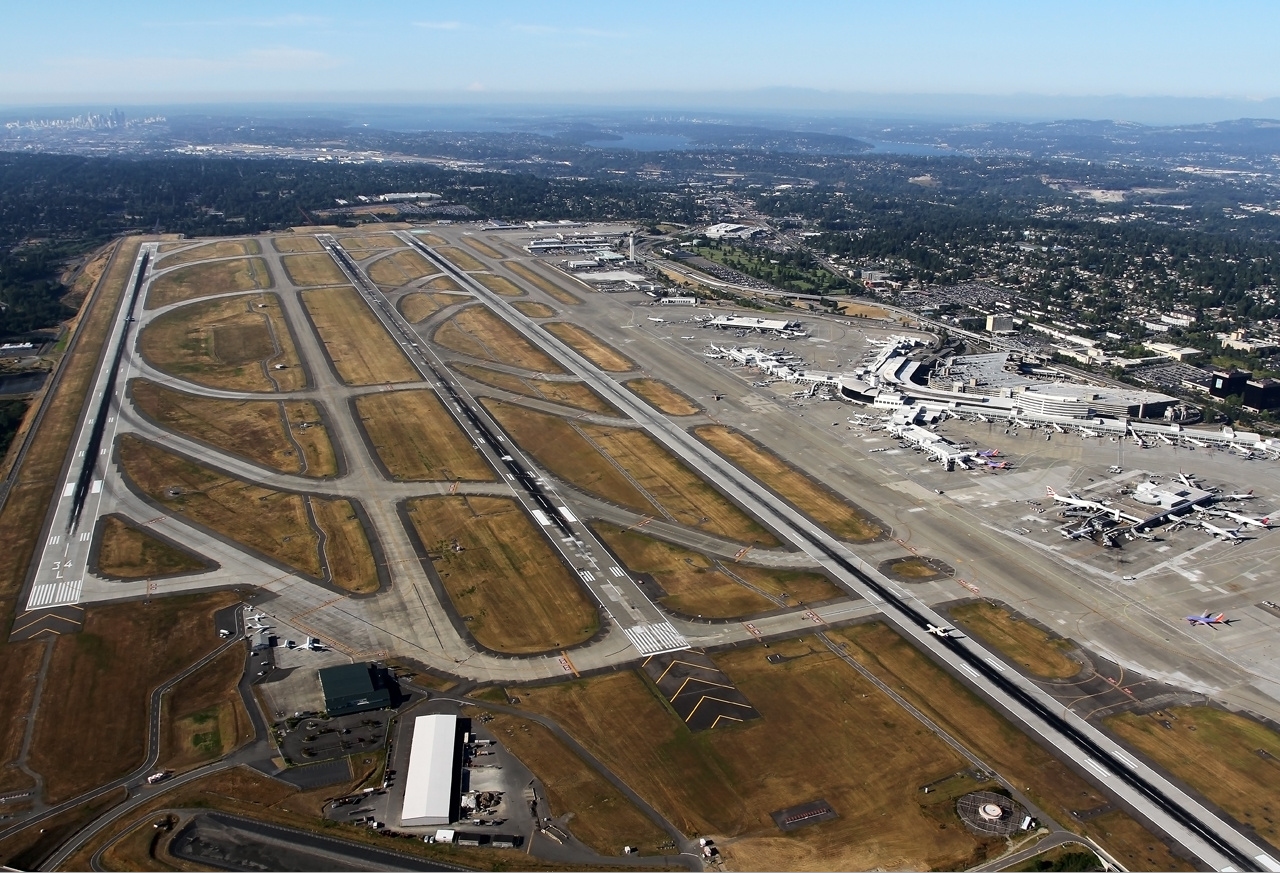
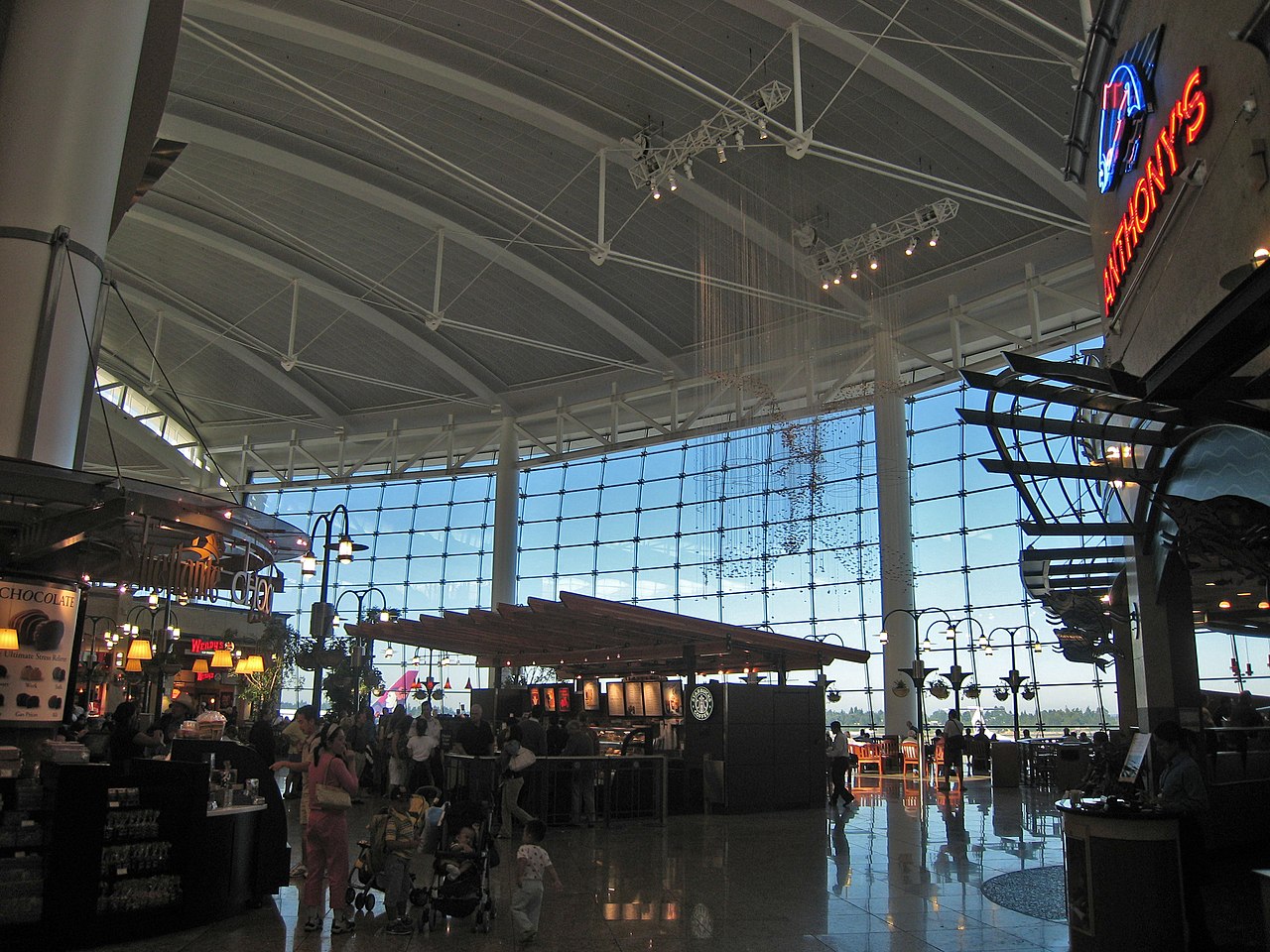
Sea–Tac features multiple airfield runways and passenger concourses that handle domestic and international service. The field layout supports a mix of widebody and narrowbody aircraft, with facilities for cargo handling, general aviation services, and ground transportation. The airport has been expanded several times to increase gate capacity and modernize terminals.
Airlines and operations
Sea–Tac is the largest airport in the Pacific Northwest and functions as a major hub for several carriers. It is the principal hub for Alaska Airlines and also supports significant operations by Delta Air Lines and numerous other domestic and international airlines. Passenger traffic includes regional flights, transcontinental routes, and overseas connections.
Ground access and passenger services
- Public transit and rail connections link the airport to downtown Seattle and neighboring communities.
- Road access is provided by major highways and well‑signposted arterials; multiple parking and shuttle options serve travelers.
- On-site services include rental cars, baggage facilities, dining, and retail aimed at both short- and long-haul passengers.
History and role
Originally developed in the mid-20th century to meet growing aviation demand, Sea–Tac has grown through successive additions to terminals and airfield infrastructure. Investments have focused on capacity, passenger experience, and operational resilience. Over time the airport has become an essential transportation hub for commerce, tourism, and air cargo across the region.
Notable distinctions and context
Sea–Tac’s position south of Seattle makes it a central gateway for travelers to western Washington, Alaska, and destinations across the Pacific. Its size and connectivity raise its profile as the busiest airport in the broader Pacific Northwest and an important link for both passenger and freight networks.
Questions and answers
Q: What is the full name of the airport in SeaTac, Washington?
A: The full name of the airport is Seattle-Tacoma International Airport.
Q: What is the airport code for Seattle-Tacoma International Airport?
A: The IATA code for Seattle-Tacoma International Airport is SEA and the ICAO code is KSEA. The FAA LID code is also SEA.
Q: What is another name for Seattle-Tacoma International Airport?
A: Seattle-Tacoma International Airport is also commonly known as Sea-Tac Airport or simply Sea-Tac.
Q: Where is Seattle-Tacoma International Airport located in relation to downtown Seattle?
A: Seattle-Tacoma International Airport is located 13 miles (21 km) south of downtown Seattle.
Q: What is unique about Seattle-Tacoma International Airport in the Pacific Northwest?
A: Seattle-Tacoma International Airport is the biggest airport in the Pacific Northwest.
Q: Which airlines operate at Seattle-Tacoma International Airport?
A: Many airlines operate at Seattle-Tacoma International Airport including Alaska Airlines and Delta Air Lines.
Q: How many runways and terminals does Seattle-Tacoma International Airport have?
A: Seattle-Tacoma International Airport has three runways and three terminals.
Related articles
Author
AlegsaOnline.com Seattle–Tacoma International Airport (Sea–Tac) Leandro Alegsa
URL: https://en.alegsaonline.com/art/88378
Sources
- gcr1.com : FAA Airport Master Record for SEA
- gcr1.com : Form 5010
- portseattle.org : "Sea–Tac international airport"