
Scientific Revolution: origins, major figures, methods, and legacy
The Scientific Revolution (roughly 16th–18th centuries) was a transformative period when observation, experiment and mathematics reshaped natural philosophy into modern science.
Overview
The Scientific Revolution denotes a period of deep change in European intellectual life, roughly the 16th to the 18th centuries (commonly dated c. 1550–1700). During these decades long-standing explanations of nature were reworked or abandoned as scholars, instrument makers and writers developed new ways of investigating the natural world. The phrase itself was popularized in the 20th century by historians such as Alexandre Koyré to describe this transformation from medieval and Renaissance frameworks toward the practices we call science today. The movement is usually situated after the Middle Ages and in the wake of the Renaissance, and it interacted with broader cultural changes including the expansion of printing and travel.
Image gallery
10 Images





Causes and enabling factors
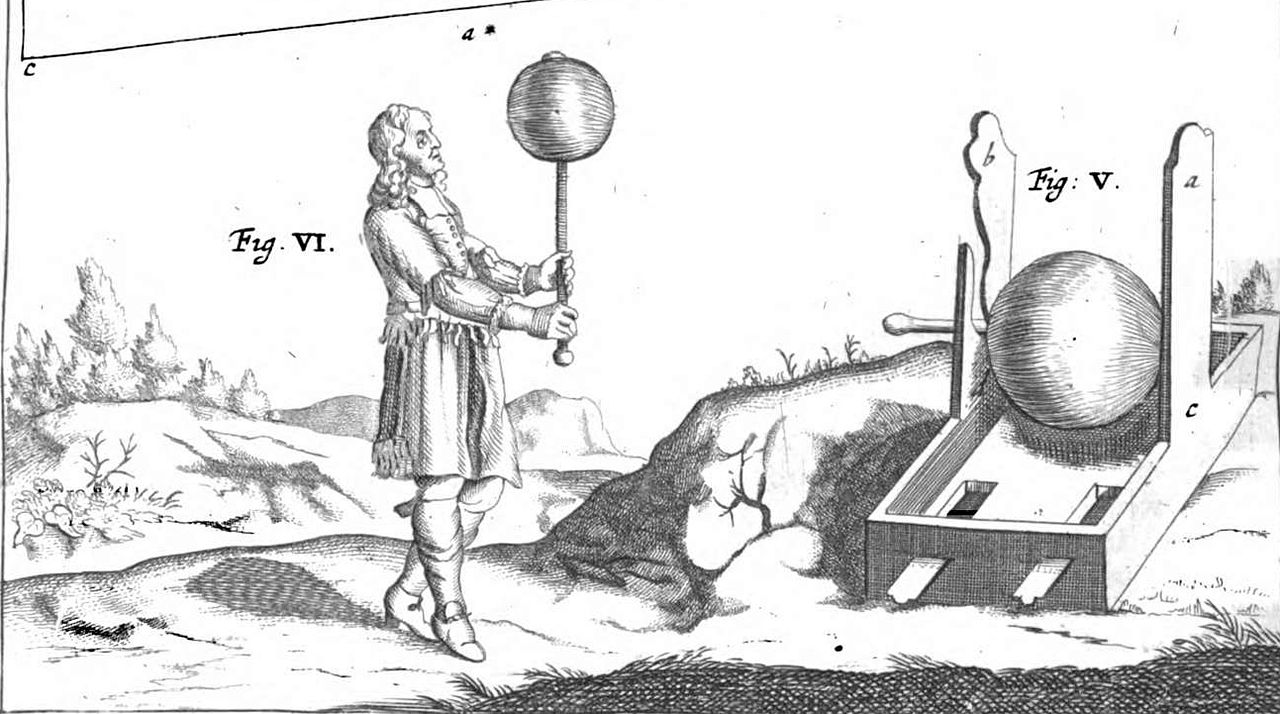
Several practical and cultural developments helped the Scientific Revolution gain momentum. Improved printing technology attributed to Johannes Gutenberg and a growing appetite for books led to a surge in publishing of technical, mathematical and observational works. New instruments — notably the telescope and the microscope — made previously unseen phenomena accessible to study, while long-distance navigation and the exchange of specimens and information exposed Europeans to unfamiliar plants, animals and celestial observations. Increasingly, mathematicians and experimenters emphasized quantification and repeatable techniques over reliance on ancient authorities.
Methods and characteristics
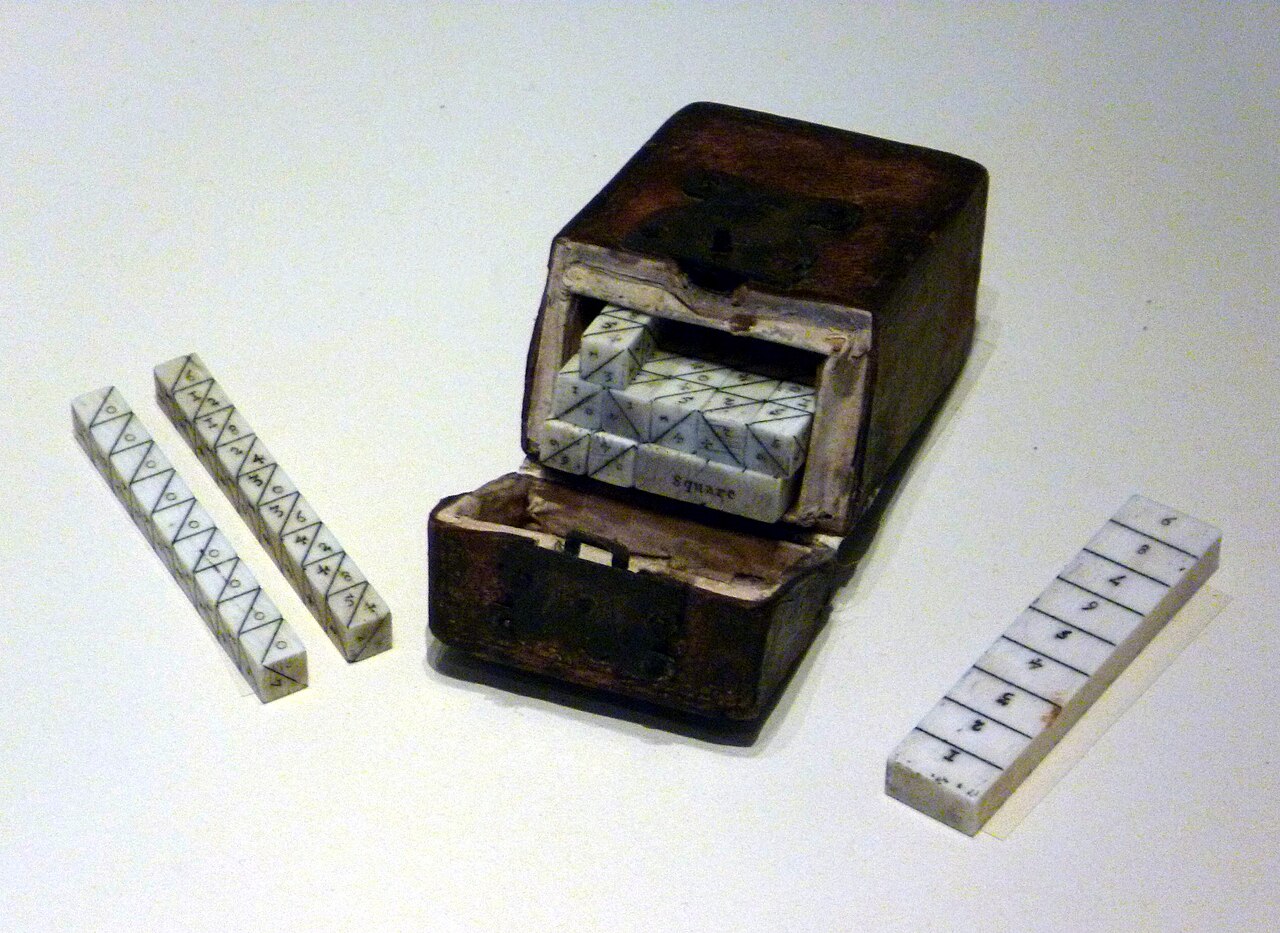
Rather than a single doctrine, the Scientific Revolution is best understood as a set of interconnected methodological shifts: an emphasis on careful observation and controlled experiment; the application of mathematics to describe motion and change; systematic anatomical study; and the construction and refinement of instruments. Thinkers advanced the view that hypotheses should be tested against empirical evidence and that reliable results depend on transparent methods that others can reproduce.
Key developments and examples
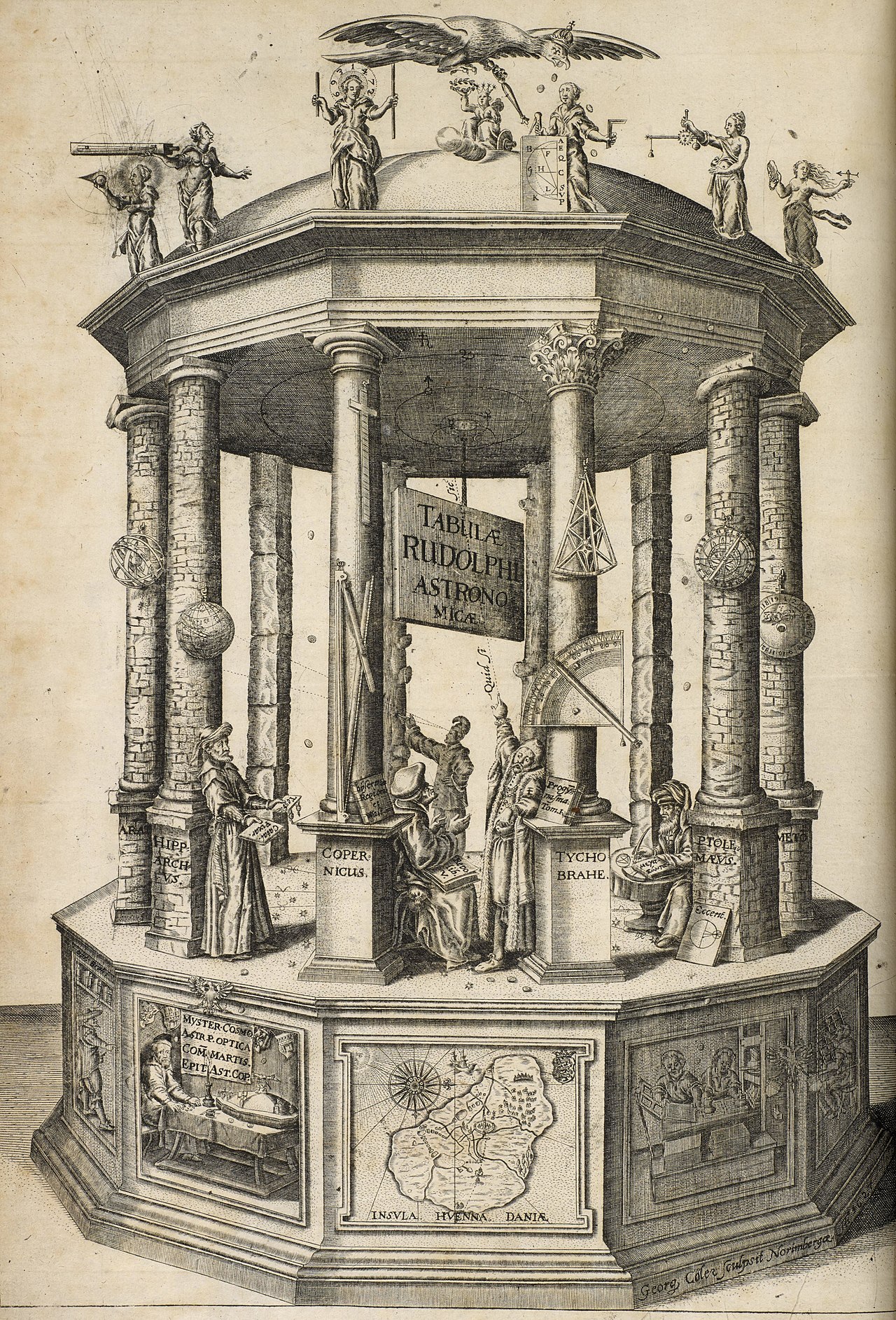
- Nicolaus Copernicus proposed a Sun-centered model in De revolutionibus, replacing the Earth-centered cosmology and advancing the idea of heliocentrism with the Sun as a central reference.
- Galileo Galilei used observation and experiment to challenge aspects of Aristotle and to develop elements of kinematics; the famous anecdote that he dropped spheres from the Leaning Tower of Pisa is repeatedly told to illustrate the move toward experimental demonstration.
- Andreas Vesalius transformed the study of human anatomy through direct dissection and careful illustration, establishing anatomy as an empirical discipline in the mid-16th century.
Institutions, communication and impact
Scientific societies, correspondence networks and an expanding market in books and instruments helped consolidate findings, standardize techniques and transmit discoveries across Europe. Over time the new approaches to natural problems influenced philosophy, technology and public life, laying intellectual foundations for the Enlightenment and for later developments in chemistry, astronomy, physics and biology. The revolution did not occur uniformly or without controversy: many ideas were resisted, debated or modified, and the transition involved both continuity with earlier learning and clear departures from it.
Legacy and notable distinctions
Scholars emphasize that the Scientific Revolution was not a single event but a series of overlapping changes that created the conditions for modern research: the prioritization of empirical evidence, the mathematization of nature, and the institutionalization of inquiry. Its importance lies less in a definitive break at one moment than in the widespread adoption of methods and expectations that continue to shape how societies investigate and apply knowledge today.
Further reading and primary sources remain available in many collections and scholarly introductions; digital and print resources can guide readers from broad overviews to the original 16th–17th century texts.
Middle Ages | Renaissance | Science | Johannes Gutenberg | Publishing | Galileo Galilei | Kinematics | Aristotle | Leaning Tower of Pisa | Nicolaus Copernicus | Sun | Heliocentrism | Andreas Vesalius | Anatomy | Alexandre Koyré
Related articles
Author
AlegsaOnline.com Scientific Revolution: origins, major figures, methods, and legacy Leandro Alegsa
URL: https://en.alegsaonline.com/art/88043