
Andreas Vesalius: pioneer of modern human anatomy
Flemish anatomist Andreas Vesalius (1514–1564) transformed anatomy through careful human dissection and his illustrated masterpiece De humani corporis fabrica, challenging centuries of reliance on Galen.
Overview
Andreas Vesalius (Latinized from Andries van Wesel; 1514–1564) was a Flemish anatomist and physician whose systematic study of the human body reshaped medicine in the Renaissance. He is best known for the richly illustrated book De humani corporis fabrica, which presented anatomy based on direct dissection of human cadavers rather than on secondhand reports. Vesalius is widely regarded as a founder of modern human anatomy because he emphasized observation, careful description, and correction of inherited errors.
Image gallery
10 Images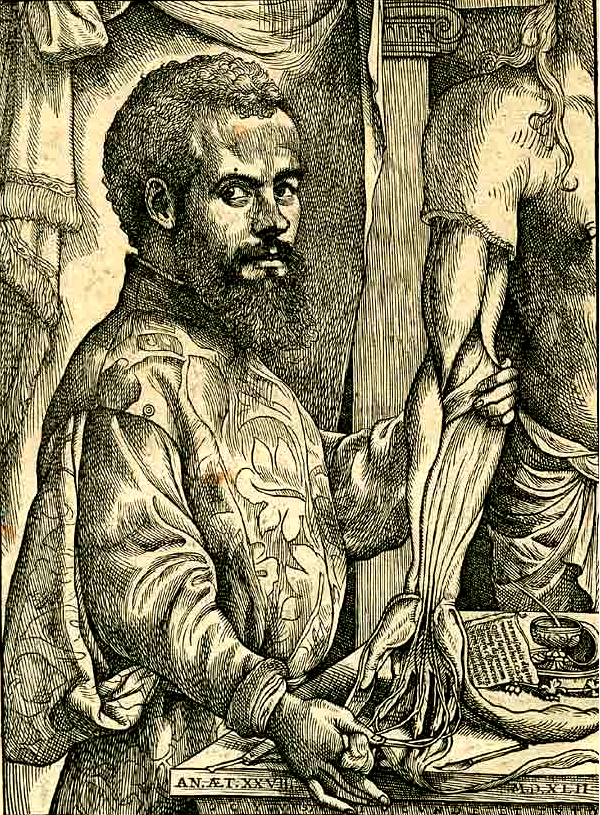





Life and career
Born in the Low Countries, Vesalius trained in the leading medical schools of his day and developed a practice of teaching anatomy by personally performing dissections for students. He held an influential academic post in Padua where public dissections became a central part of instruction. His reputation brought him to imperial service; he was invited to serve as a court physician and continued in royal favor during the reign of Emperor Charles V and his successor. Later in life he traveled on a pilgrimage toward the Holy Land and died in 1564; contemporary accounts place his death on the island of Zakynthos.
De humani corporis fabrica and its characteristics
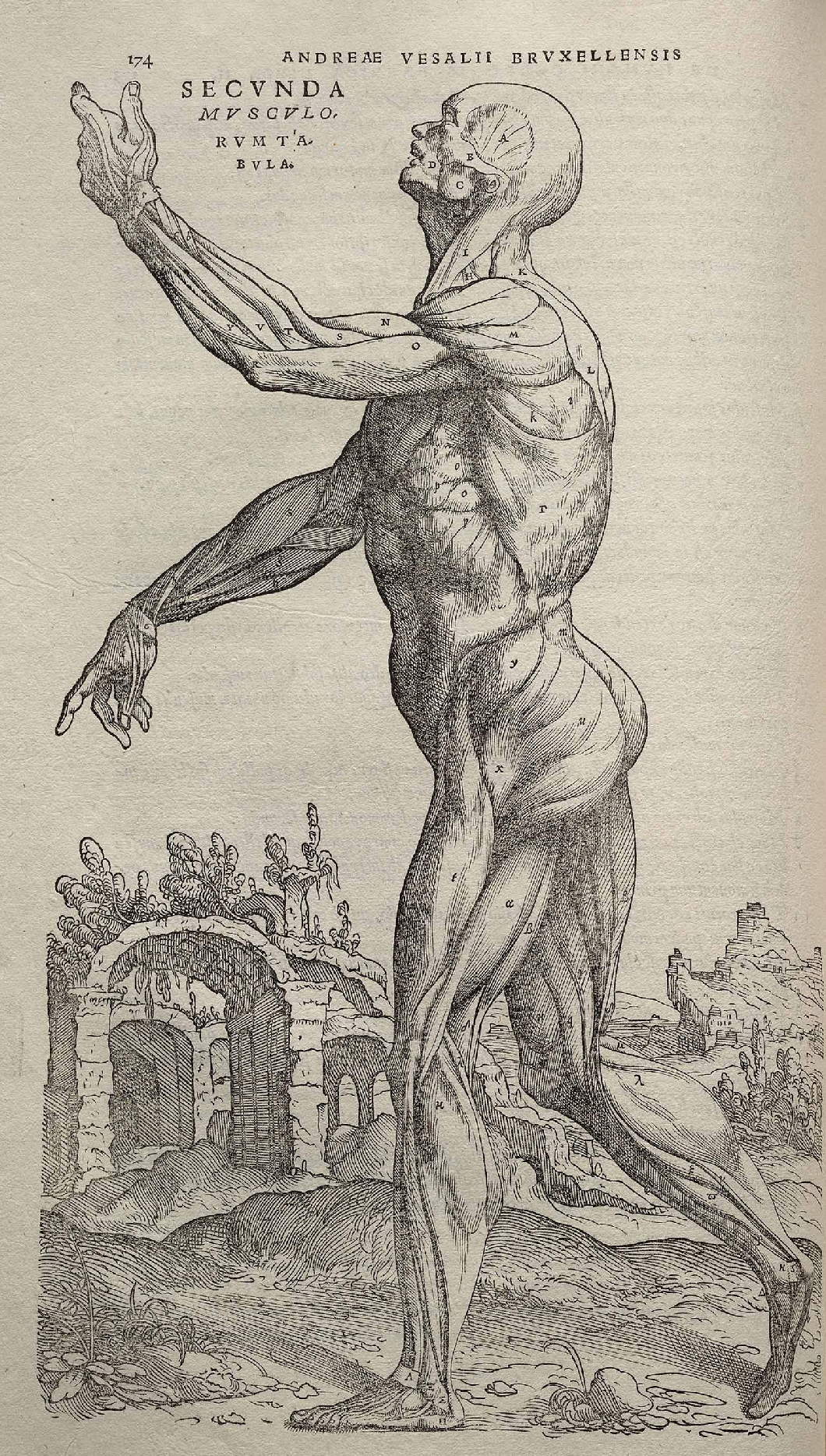
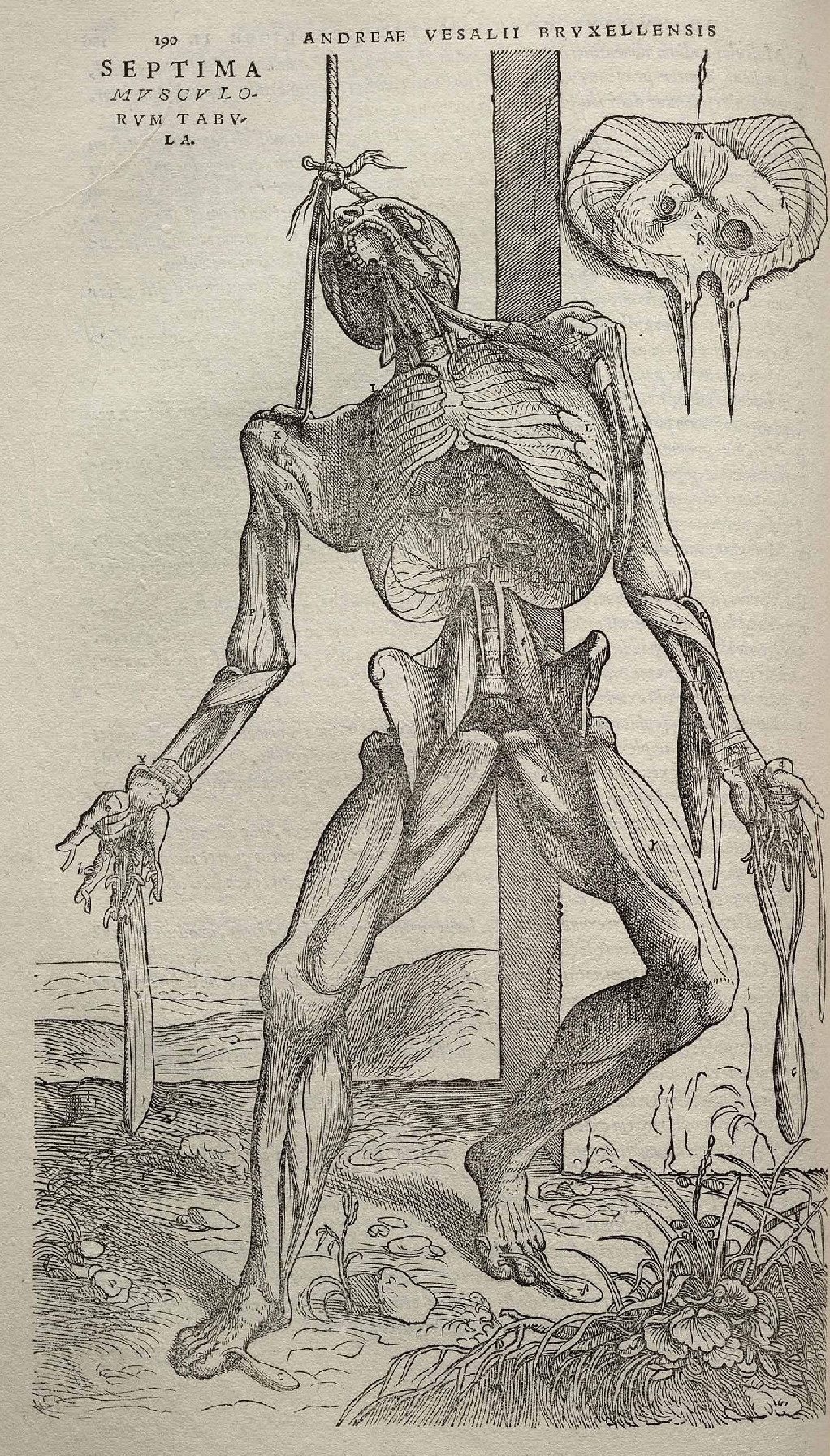
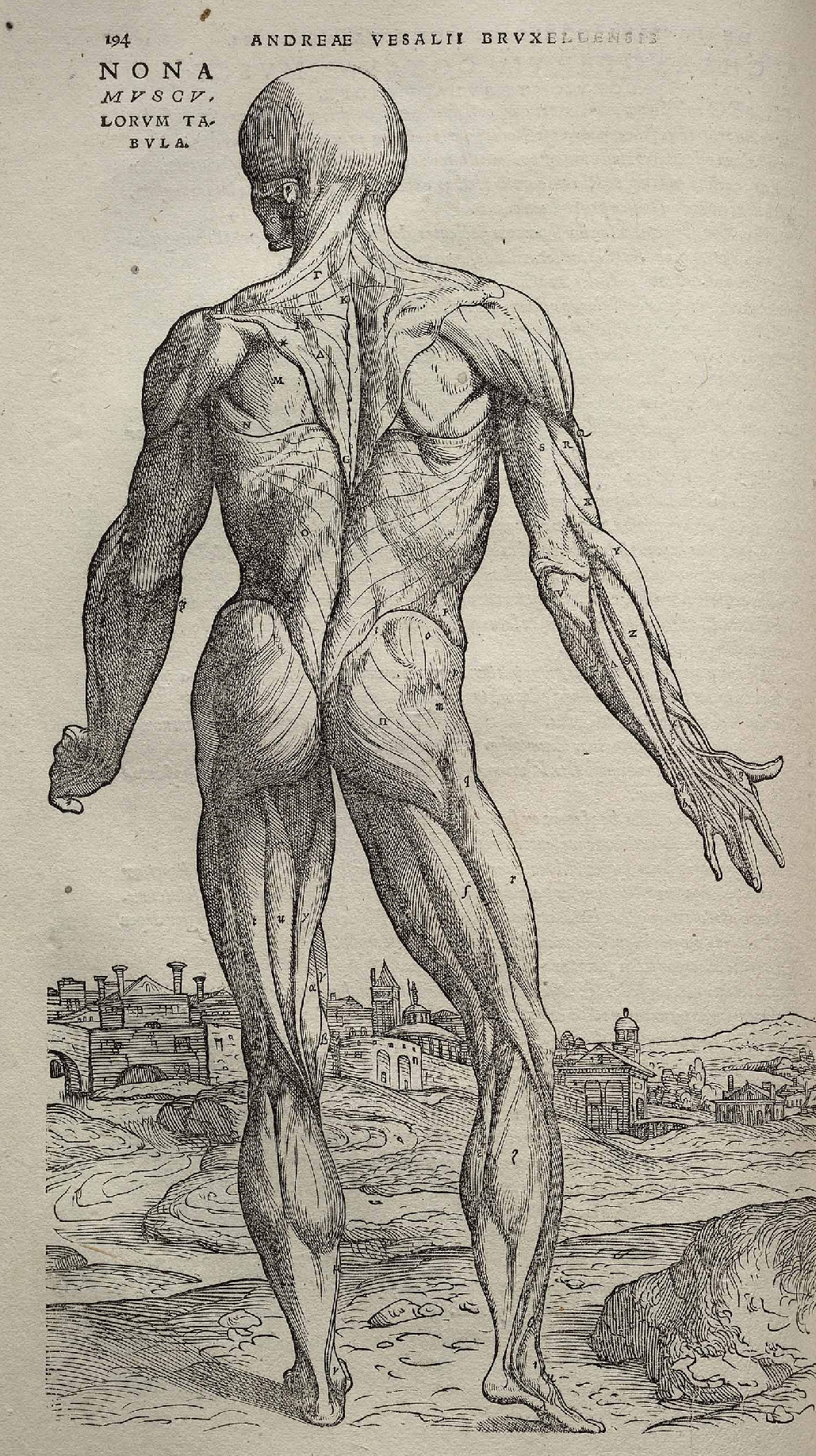
Published in 1543, De humani corporis fabrica combined meticulous text with sophisticated woodcut illustrations. The work was organized into books covering the skeleton, muscles, blood vessels, nerves and internal organs, and it presented anatomy with unprecedented clarity and scale. Illustrations were executed with artistic skill and showed dissections from carefully chosen viewpoints, which helped readers visualize anatomical relationships more accurately than earlier texts.
Contributions and influence
- Empirical method: Vesalius insisted that doctors verify anatomical claims by direct observation and dissection rather than relying solely on ancient authorities.
- Correction of errors: By comparing human dissections with descriptions by earlier writers, especially Galen, he identified and corrected important mistakes that arose because many previous anatomists had worked on animals rather than humans.
- Teaching reform: He made hands‑on dissection central to medical education and encouraged students to learn from specimens and drawings.
- Lasting works: The Fabrica inspired generations of physicians and artists and set new standards for anatomical publishing.
Notable facts and legacy
Vesalius’s challenges to Galenic authority were not merely academic: they changed the way physicians approached the human body. He demonstrated, for example, that certain structural claims derived from animal anatomy did not match human form. The Fabrica’s combination of text and image influenced both medical practice and the visual arts, helping integrate scientific and artistic observation. Later discoveries—such as the circulation of the blood—built on the spirit of direct inquiry that Vesalius helped establish.
For those interested in further reading, Vesalius’s life and work are often discussed alongside broader histories of Renaissance science and medical education. His career illustrates how careful observation, clear illustration, and willingness to question received authority can produce lasting advances in knowledge. For a concise introduction to his major publication see biographical and bibliographic summaries, and to the context of classical authority and its critics consult resources on Galen and Renaissance medical schools. For details of his service at court and historical background see sources associated with Charles V.
Questions and answers
Q: Who was Andreas Vesalius?
A: Andreas Vesalius was a Flemish anatomist, physician, and author.
Q: What was the name of the book that Vesalius wrote?
A: Vesalius wrote a book called "De humani corporis fabrica" (On the Fabric of the Human Body).
Q: Why is Vesalius considered the founder of modern human anatomy?
A: Vesalius is considered the founder of modern human anatomy because his work on human dissections led to a better understanding of the human body and corrected many of the inaccurate beliefs held by previous anatomists, such as Galen.
Q: What was the limitation that prevented previous work on anatomy?
A: The limitation that prevented previous work on anatomy was that dissections of cadavers (dead human bodies) was forbidden for many centuries.
Q: Who was Galen and what did he contribute to the understanding of the human body?
A: Galen was a physician and anatomist who contributed to the understanding of the human body, but much of his work was inaccurate. Before Vesalius, most information about the human body came from Galen.
Q: What did Vesalius discover about Galen's work?
A: Vesalius discovered that many of the things Galen wrote about were wrong. Galen was primarily misinformed about the human heart, liver and lower jaw bone. It was found that Galen's work was based on Barbary apes, but he also dissected pigs, which led to even more inaccurate observations.
Q: What was Vesalius' position after the abdication of Emperor Charles V?
A: After the abdication of Emperor Charles V, Vesalius continued as court physician in great favor with the Emperor's son Philip II.
Related articles
Author
AlegsaOnline.com Andreas Vesalius: pioneer of modern human anatomy Leandro Alegsa
URL: https://en.alegsaonline.com/art/114076