
Slavery in the United States: History, Structure, and Legacy
An overview of the institution of slavery in what became the United States, its legal and economic structures, development from colonial times to abolition, and its cultural and historical legacy.
Overview
Slavery in the United States refers to the legal and social system under which people were held in involuntary servitude from the colonial era through the mid-19th century. Enslaved people were primarily of African descent, brought by force or born into bondage, and they labored in agriculture, domestic service, industry, and other sectors. The institution was embedded in law and custom in many parts of North America and remained central to the political and economic life of the young republic until its abolition during and immediately after the Civil War.
Image gallery
8 Images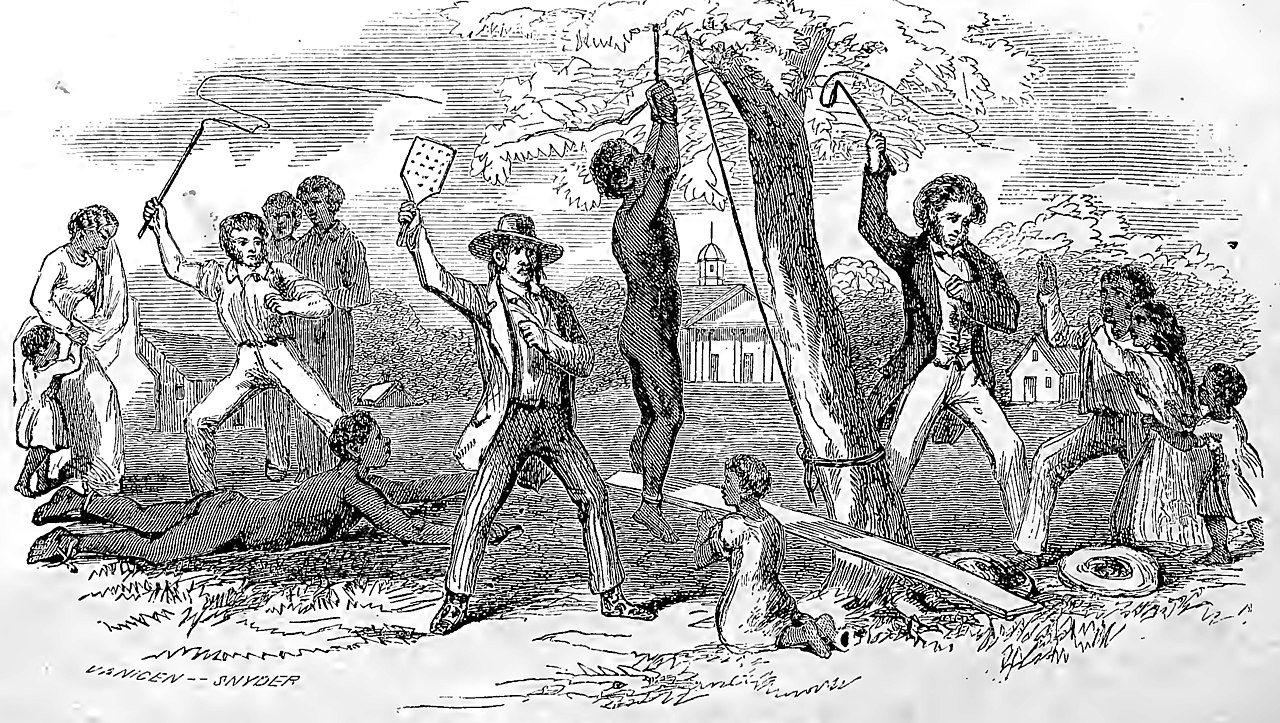




Legal framework and social characteristics
Enslavement became codified through laws often called slave codes that defined enslaved persons as property, restricted movement and legal rights, and regulated the relationships between enslaved people and those who owned them. Status was generally hereditary and racialized, creating a caste system that associated African ancestry with permanent bondage. Federal and state statutes, court decisions, and economic interests shaped where and how slavery operated, and legal compromises at the national level sought to balance the interests of slaveholding and non-slaveholding regions.
Historical development and sectional conflict
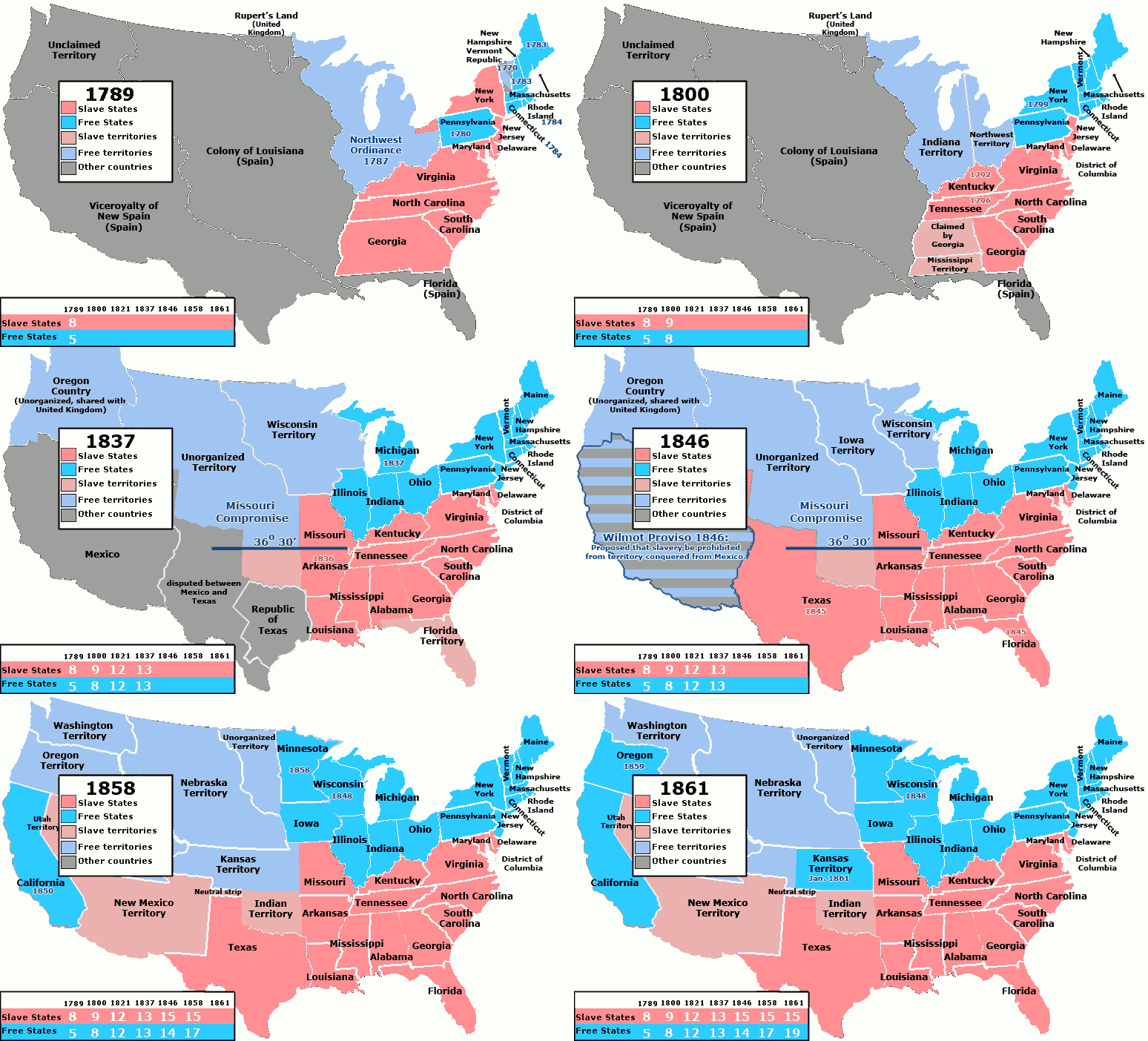
Slavery was present in British North America from early colonial settlements and was legal in all thirteen colonies at the time of the Declaration of Independence. After independence, Northern states moved gradually toward abolition while slavery expanded in the South, propelled by the demand for labor on cotton plantations and by the invention of mechanized cotton processing. The international slave trade was restricted by the United States Congress beginning in 1808, but domestic trafficking and internal forced migrations continued. Political disputes over the spread of slavery into new territories and states contributed to growing sectional tensions and ultimately to the Civil War.
Economic, cultural, and human dimensions
Slavery was a foundation of parts of the American economy, particularly in the production of cotton, tobacco, sugar, and rice. Enslaved people developed families, communities, and cultural traditions under constraints, creating enduring contributions to language, religion, music, and cuisine. Resistance took many forms, from everyday acts of defiance and flight to organized rebellions and legal challenges. Abolitionist movements—composed of enslaved and free Black people as well as white activists—pressured institutions and public opinion, linking moral, religious, and political arguments against slavery.
Abolition, war, and immediate aftermath
The Civil War (1861–1865) was fought in large part over the future of slavery and the shape of the Union. The Emancipation Proclamation of 1863 declared freedom for enslaved people in areas under rebellion, and the Thirteenth Amendment to the U.S. Constitution, ratified in 1865, formally abolished slavery throughout the United States. The subsequent Reconstruction era attempted to integrate formerly enslaved people as citizens with civil and political rights; its gains were undercut in many places by violent backlash, disfranchisement, and the establishment of segregationist laws.
Legacy and significance
The consequences of slavery have had long-term effects on American society, shaping racial hierarchies, economic disparities, and political debates. Scholarship, memorialization, and public history continue to examine the institution’s complexities, the lives of enslaved people, and the ways memory and law address historical injustice. Understanding this history is essential to many contemporary discussions about race, equality, and reparative policy.
Further reading and resources
- Legal frameworks and statutes
- Human slavery: definitions and global context
- History of the United States (context)
- African and African American experiences
- The Thirteen Colonies and early law
- Thirteenth Amendment and abolition
- Racial caste and social hierarchy
- Abolitionist movements and figures
- Northern states and gradual emancipation
- Territorial expansion and politics
- Diplomatic aims and territorial annexation
- Regional divisions and the Mason–Dixon line
- Pennsylvania and free-state developments
- Maryland and slave-state law
- Political leaders and policy during the early republic
- Restrictions on the international slave trade
- Cotton economy and technological change
- African-American cultural formation
Questions and answers
Q: What was the legal institution of human slavery in the United States?
A: Slavery in the United States was the legal institution of human slavery.
Q: Who were mostly enslaved in the US?
A: Slaves were mostly Africans and African Americans.
Q: When did slavery exist in British America?
A: Slavery existed in British America from early colonial days.
Q: When was slavery banned throughout the US?
A: Slavery was banned throughout the US by the Thirteenth Amendment in 1865.
Q: Were there any free people of color who could vote during this time period?
A: A small number of free people of color were able to vote when the United States Constitution was ratified in 1789, as they were men who owned property.
Q: What did slave states try to do to keep their share of political power? A: Slave states tried to extend slavery into new Western territories to keep their share of political power in the country.
Q: How many slaves were there before they were set free?
A: There were 4 million slaves in the Deep South before they were set free.
Tags
Related articles
Author
AlegsaOnline.com Slavery in the United States: History, Structure, and Legacy Leandro Alegsa
URL: https://en.alegsaonline.com/art/91057
Sources
- books.google.com : Slavery in the United States
- books.google.com : "The First Abolition Society in the United States"
- edb.pbclibrary.org : "Searching for Climax: Black Erotic Lives in Slavery and Freedom"
- books.google.com : Rambles of a Runaway from Southern Slavery
- amerautobiofa14.wiki.uml.edu : Incidents in the Life of a Slave Girl, Written by Herself