
Houston Stewart Chamberlain: writer, racial theorist, and Bayreuth figure
British-born writer Houston Stewart Chamberlain (1855–1927) became a German citizen and influential, controversial author whose racial ideas and writings shaped early 20th-century nationalist movements.
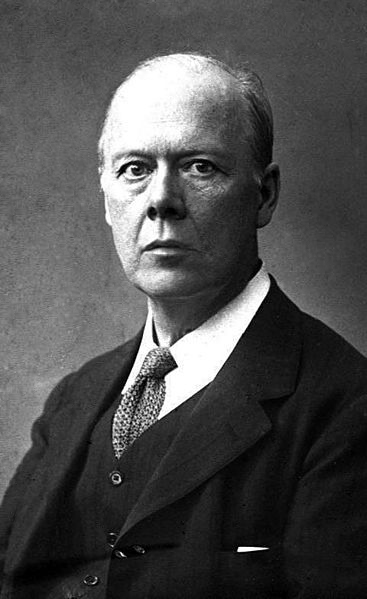
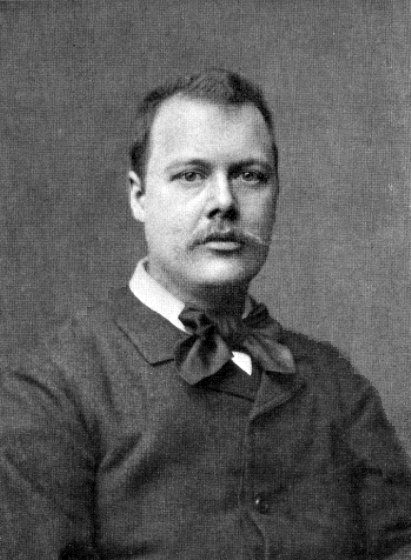
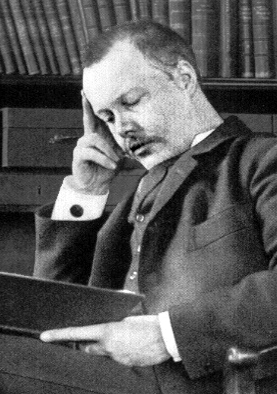
Houston Stewart Chamberlain was a British-born intellectual and popular writer whose works on culture, philosophy and race made him a prominent and controversial figure in German-speaking Europe around the turn of the 20th century. Born in Portsmouth in 1855, he later settled in Germany, became a German citizen, and spent his later years in the town of Bayreuth. Chamberlain is best known for promoting racial ideas and for the central role his writings played in shaping extreme nationalist currents; he is widely associated with modern antisemitism.
Image gallery
8 Images


Intellectual background and early career
Trained as an autodidact and keen reader of German culture, Chamberlain produced books and essays on music, philosophy and literature that introduced English-language subjects to a German audience and vice versa. He wrote on figures such as Richard Wagner, Immanuel Kant and Johann Wolfgang von Goethe, and made a reputation as a popular writer with a readable, polemical style. Early output combined cultural criticism with grand historical narratives rather than specialist scholarship.
Major works and themes
Chamberlain authored numerous books, of which the most influential and infamous was The Foundations of the Nineteenth Century. Key themes in his writing include:
- Racial hierarchy and the idea of an Aryan or Germanic cultural supremacy;
- Cultural determinism linking art, nation and blood;
- Hostility toward Jewish communities expressed through pseudoscientific and polemical claims.
Political connections and influence
Chamberlain became integrated in the Bayreuth circle around the Wagner family and influenced conservative and völkisch thinkers. He converted his public standing into a political role by lending intellectual authority to nationalist movements in the decades before and after World War I. In the 1920s he met and corresponded with rising right-wing figures, including an admirer in Hitler, and his books were later cited by Nazi ideologues.
Reception and legacy
Reactions to Chamberlain have been sharply divided. During his lifetime he enjoyed considerable prestige among nationalist audiences, but subsequent scholarship condemns his racial doctrines as unscientific and morally pernicious. Today he is studied as an example of how cultural criticism and popular history can be mobilized to support exclusionary politics and racial prejudice.
Notable facts
- He died in Bayreuth in 1927, having spent much of his adult life in Germany.
- His combination of cultural commentary and racial theory made him a bridge between nineteenth-century Romanticism and twentieth-century political radicalism.
- For further study of his life and works, consult specialized biographies and critical studies of European intellectual history (Kant and cultural contexts often appear in such literature).
Chamberlain remains a contested figure: a prolific popular author with lasting but deeply problematic influence on modern political movements and ideas.
Related articles
Author
AlegsaOnline.com Houston Stewart Chamberlain: writer, racial theorist, and Bayreuth figure Leandro Alegsa
URL: https://en.alegsaonline.com/art/45380