
Bankim Chandra Chattopadhyay — Bengali novelist, poet and composer of Vande Mataram
Bengali writer, poet and civil servant (1838–1894). Author of influential novels and the song Vande Mataram; a leading figure in 19th-century Bengali literature and Indian cultural nationalism.
Overview
Bankim Chandra Chattopadhyay (27 June 1838 – 8 April 1894) was a prominent Bengali novelist, poet, journalist and civil servant whose work played a formative role in the Bengali literary renaissance and early Indian nationalism. He composed the hymn "Vande Mataram," later adopted as a rallying slogan during the Indian independence movement, and produced novels, essays and critical writing in Bengali that combined social observation, historical imagination and moral argument.
Image gallery
5 Images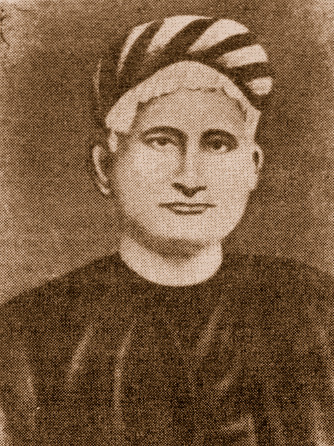


Life and career
Born into a traditionally orthodox Brahmin family in the Bengal Presidency, Bankim received a Western-style education at institutions including Hooghly Mohsin College and Presidency College in Calcutta. He was among the first graduates of the University of Calcutta and entered the colonial administration, serving from 1858 until his retirement in 1891 as a deputy magistrate and deputy collector. His administrative career exposed him to diverse regions and social issues of British India and informed much of his writing.
Literary work and style
Bankim Chandra wrote thirteen novels and numerous essays and articles. His fiction often mixed historical settings with contemporary social critique, moral dilemmas and vivid characterisation. He experimented with genres ranging from serious social novels and satire to historic romance, and his prose helped to modernise written Bengali by synthesising Sanskritic and colloquial registers. Many of his works were widely translated into other Indian languages and helped shape literary tastes across the subcontinent.
Vande Mataram and public influence
Bankim's patriotic hymn "Vande Mataram" first appeared in the novel Anandamath (published in 1882) and addresses the nation in the form of a mother figure, drawing on both Bengali and Sanskrit devotional idioms. The song acquired strong political resonance and was frequently invoked by activists in the struggle for independence. Over time it became a potent cultural symbol, celebrated for its inspirational power while also provoking debate about religious imagery in public life. Bankim himself is often remembered under the honorific "Rishi" for his perceived prophetic cultural role.
Legacy and notable facts
Bankim Chandra is credited with helping to establish the modern Bengali novel and with influencing a generation of writers and political thinkers. His blending of narrative entertainment with moral and national concerns made his books staples of Bengali reading in the late 19th and early 20th centuries. Scholars continue to study his contributions to language, genre and the formation of nationalist ideology. His works remain available in many editions and are the subject of critical editions and academic study.
Further reading and resources
- Biography and overview
- Collected poems and translations
- Journalistic writings and essays
- Sources on Vande Mataram
- Context in Indian cultural history
- Music and renditions of the hymn
- Bengali language and literary context
- Sanskrit influences explained
- Religious and devotional motifs
- Mother goddess imagery in literature
- Studies on symbolism
- Role in the Indian independence movement
- Political history references
- Catalogue of novels
- Satire and comic writing
- Translations into regional languages
- Family background and early life
- Educational institutions and influences
- University of Calcutta alumni records
- Service in the colonial administration
- Magistracy and civil service posts
- Legal and administrative context
- British Indian governance background
- Modern scholarship and critical editions
Note: This article summarizes broadly known facts and scholarly consensus about Bankim Chandra Chattopadhyay's life and work. For primary texts and archival documents consult the specialised resources listed above.
Tags
Related articles
Author
AlegsaOnline.com Bankim Chandra Chattopadhyay — Bengali novelist, poet and composer of Vande Mataram Leandro Alegsa
URL: https://en.alegsaonline.com/art/8771
Sources
- north24parganas.gov.in : History & Heritage
- books.google.com : Merriam-Webster's Encyclopedia of Literature
- thedailystar.net : "Bankim Chandra: The First Prominent Bengali Novelist"
- penguinbooksindia.com : "Bankimchandra Chattopadhyay - Penguin Books India" · web.archive.org
- commons.wikimedia.org : Bankim Chandra Chattopadhyay