
Brahmin: the priestly varna in Hindu tradition
Brahmin: traditional Hindu varna associated with priests, scholars and teachers. Covers origins, roles, diversity, historical change, and present-day realities in a neutral overview.
The term Brahmin refers to members of the priestly and scholarly varna in classical Hindu social theory. As one of the four varnas described in ancient sources, Brahmins have been traditionally associated with religious learning, ritual performance and teaching. The place of Brahmins in society and their functions have evolved over millennia and vary widely by region, language and religious tradition.
Image gallery
10 Images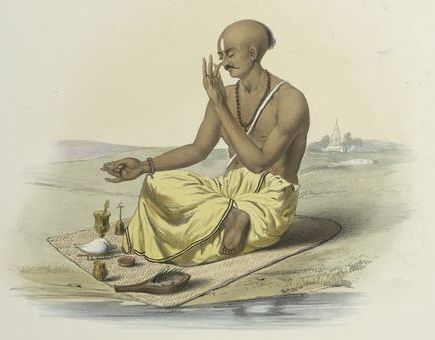


Characteristics and traditional roles
Historically, Brahmins were expected to study and preserve sacred literature, perform public and household rituals, act as teachers (gurus), and advise rulers on dharma (ethical and legal matters). Common duties included recitation of Vedic texts, conducting ceremonies such as weddings and funerals, and transmitting interpretive traditions. Many communities also practiced distinctive rites of passage, including the sacred-thread ceremony (upanayana) for boys in certain families.
Variety and social organization
Brahmins are not a single homogeneous group. Across South Asia there are numerous subgroups and regional traditions with different languages, ritual customs and theological alignments (for example, Smarta, Shaiva, Vaishnava schools). They belong to many jatis (hereditary communities), which interact with local social structures and professions.
History and development
Archaeological and textual evidence shows that the role of Brahmins emerged in the Vedic period and expanded through classical and medieval eras as literate custodians of sacred texts. Over time many Brahmins entered secular professions, administration and scholarship. Colonial rule, reform movements and modern education transformed their social and economic positions further, producing diverse contemporary occupations.
Contemporary realities and distinctions
In modern India and the wider diaspora, many people identifying as Brahmin continue religious roles while others are professionals in science, law, business and the arts. Debates about caste, affirmative action, and social reform have affected Brahmins as well as other communities. It is important to distinguish between the classical concept of varna and the lived, regionally specific identities of Brahmins.
Common functions today
- Conducting temple and domestic rituals
- Teaching religious texts and languages such as Sanskrit
- Preserving genealogies and liturgical traditions
- Participating in modern professions and public life
For broader context about the religious and social system that includes Brahmins, see related entries on Hindu traditions.
Related articles
Author
AlegsaOnline.com Brahmin: the priestly varna in Hindu tradition Leandro Alegsa
URL: https://en.alegsaonline.com/art/13643