
Annie Besant: reformer, theosophist and advocate for Indian self-rule
Annie Besant (1847–1933) was a British social reformer, prominent theosophist and educationist who became a leading campaigner for Indian Home Rule and helped develop modern Indian higher education.
Overview
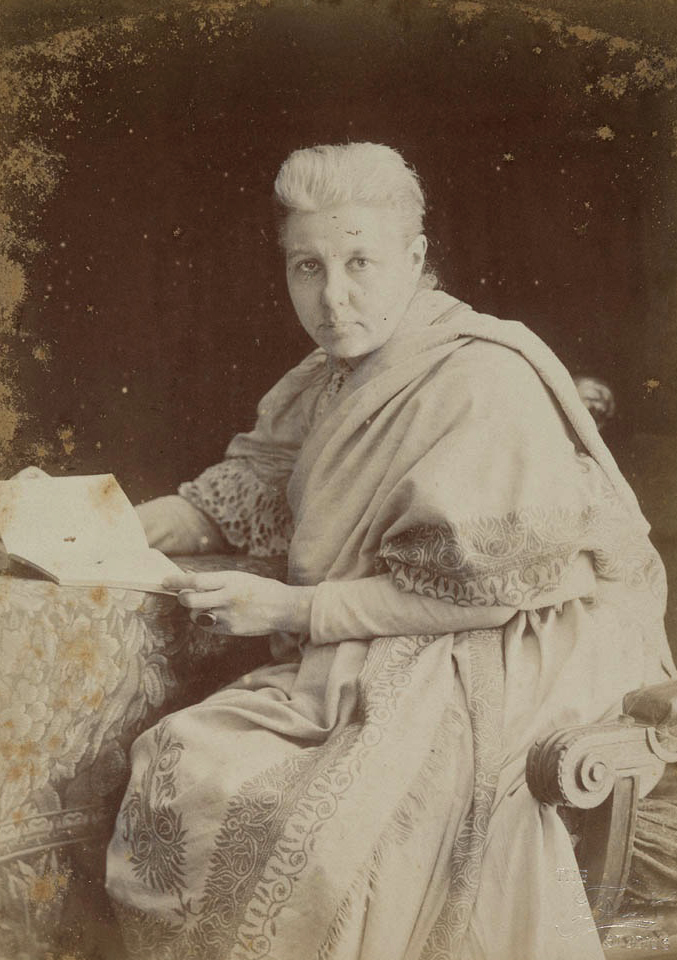
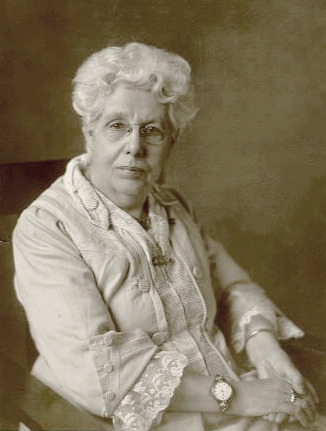
Annie Besant (1 October 1847 – 20 September 1933) was a British public intellectual whose life combined social reform in Britain, leadership in the international Theosophical movement and a public role in India’s early self-rule movement. Born in London, she later lived and worked in India, where she became an influential educator, speaker and political organizer.
Image gallery
10 Images



Early life and political activism in Britain
Besant’s early career was rooted in radical liberal causes. Married young and later separated from her husband, she became active in freethought and secularist circles. She campaigned for women’s rights, workers’ education and access to information on birth control, taking part in controversial prosecutions and public debates of the 1870s and 1880s. In 1885 she joined the Fabian Society and associated with other socialist groups of the period, developing a reputation as a forceful orator and writer on social reform.
Theosophy and the move to India
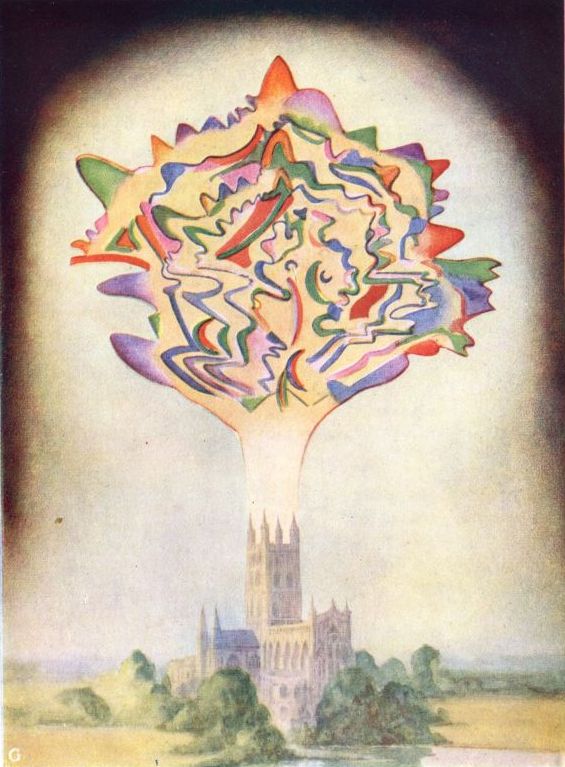
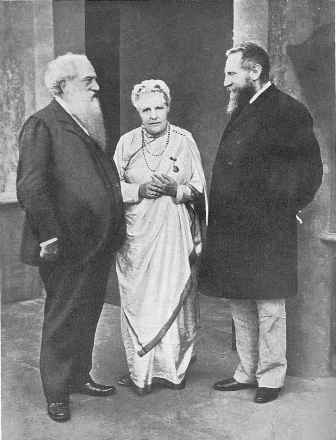
In the late 1880s Besant became involved with the Theosophical Society, a spiritual and philosophical organization that combined elements of Eastern religion, comparative religion and esoteric ideas such as reincarnation and karma. She embraced theosophy as a framework for spiritual questions and reform, and in time rose to senior leadership. In 1907 she was elected president of the Theosophical Society and held that office for many years, promoting international networks of study and dialogue between East and West.
Education and institution building
Besant placed great emphasis on education as a means to social change. Settling in India toward the end of the 19th century, she helped found and support schools and colleges intended to combine modern curricula with Indian cultural studies. She played a central part in establishing an educational institution in Varanasi that later became closely associated with efforts to create a national university in that city. Her work included teacher training, public lectures and the publication of educational material aimed at broadening access to learning.
Home Rule and political activity in India
From about 1916 Besant turned much of her energy to the campaign for Indian self-government. She launched and led a Home Rule movement that sought constitutional reforms and greater Indian participation in government. Her initiative attracted widespread attention and collaboration from Indian political leaders and reformers; she also worked with members of the Indian political scene and the Indian National Congress on questions of public policy and constitutional change.
Legacy and significance
- Bridge between cultures: Besant is remembered for bringing British radicalism, theosophical thought and Indian political aspirations into sustained dialogue.
- Educational impact: her schools and institutions contributed to a wave of modern higher education reforms in India.
- Controversial public figure: her career combined outspoken advocacy on family planning, secularism and social reform with spiritual leadership, which made her both admired and criticized.
Besant died in 1933 after a long public life that spanned social activism, spiritual leadership and political engagement. Her work influenced education, reform movements and the development of early 20th-century Indian political life, and she remains a complex and widely studied figure in the history of both Britain and India.
Tags
Related articles
Author
AlegsaOnline.com Annie Besant: reformer, theosophist and advocate for Indian self-rule Leandro Alegsa
URL: https://en.alegsaonline.com/art/4455