
Banjul — capital city of The Gambia
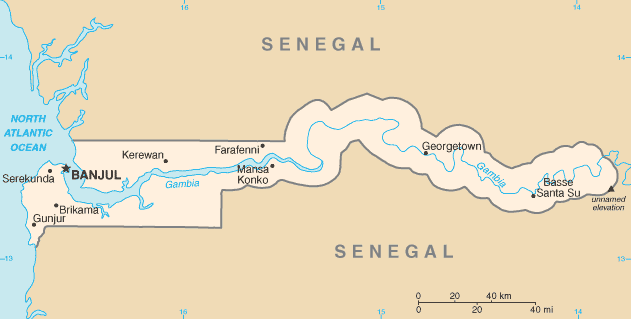
Banjul is the Gambian capital located on St Mary’s Island at the mouth of the Gambia River. It is a small but important port, administrative center and market town with a larger metropolitan population.
Overview
Banjul is the national capital of The Gambia. The city sits on St Mary’s Island (often called Banjul Island) where the Gambia River flows into the Atlantic Ocean. The population of the municipal area is relatively small compared with the whole urban agglomeration: the island itself hosts the city core while the wider metropolitan zone is home to many times more residents. Banjul functions as the political and civic heart of the nation.
Image gallery
10 Images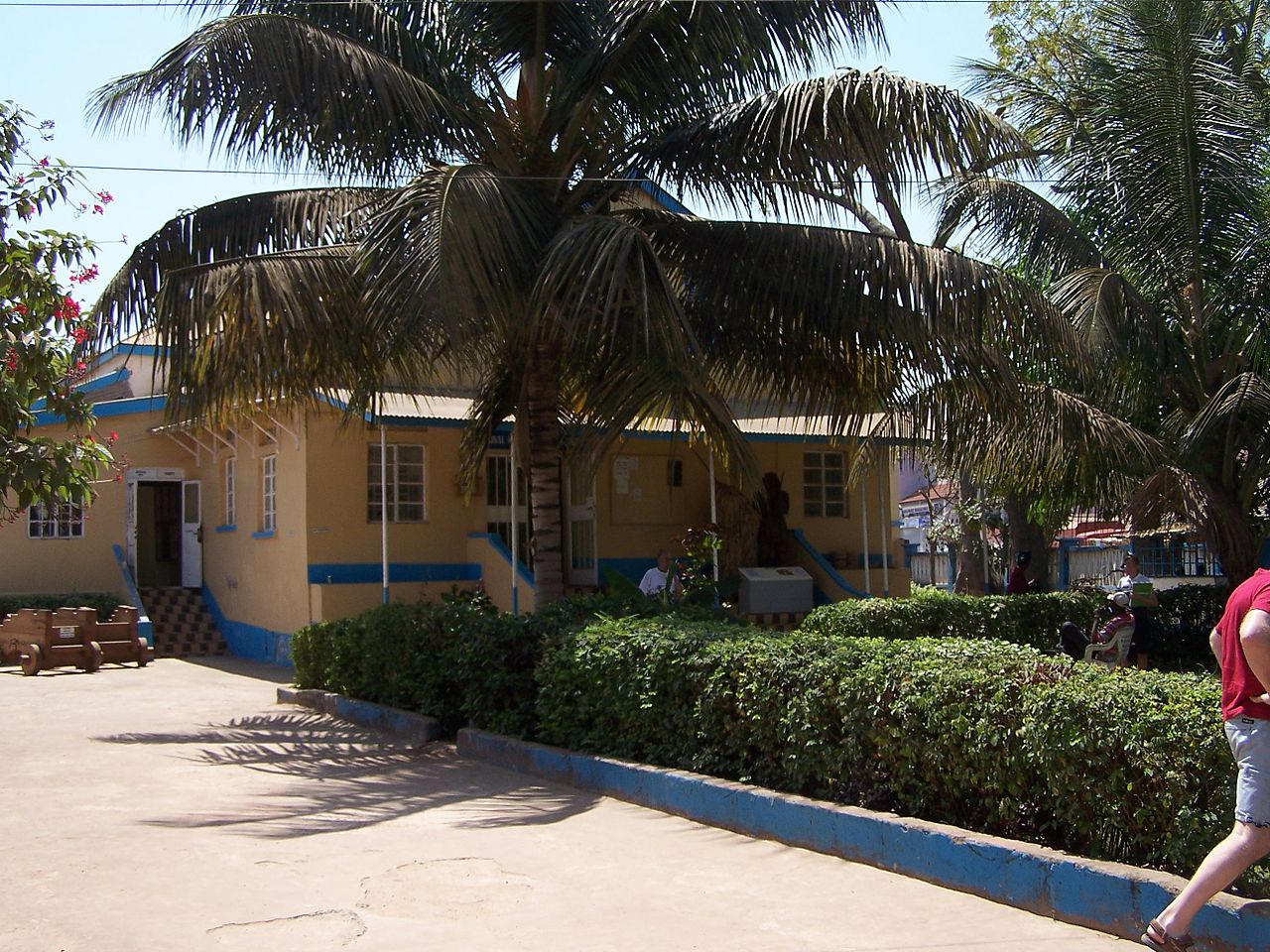





Geography and transport
The island location makes Banjul highly maritime in character. It is connected to the rest of the country and neighboring regions by water and road: regular ferry services run to northern riverbanks, and fixed bridges and causeways link the island to districts to the south. A working port handles coastal shipping and exports, while international flights arrive and depart via the nearby Banjul International Airport, which serves as the primary air gateway for the nation.
Economy
Banjul is the commercial hub of the country and a focal point for trade and light processing. The surrounding region is noted for groundnut production: peanuts are the principal agricultural export and much of the industry in the port area revolves around peanut processing. Other commodities move through the city’s port: products such as beeswax, palm oil and palm timber, together with animal hides and skins, are routinely transported by coastal vessels and trucks from the region to international markets. The port itself remains a strategic asset for trade and logistics (port operations).
Culture, landmarks and services
Banjul hosts many of the country’s public institutions and cultural sites. The Gambian National Museum preserves local history and artifacts, while the bustling Albert Market is a major retail and social focal point. Official buildings include the State House and the Court House, and places of worship reflect the city’s religious diversity: there are prominent cathedrals as well as important mosques. The city layout mixes colonial-era streets and public squares with lively open-air markets, restaurants and small industries.
History and development
Banjul began as a fortified settlement during the period of European involvement in West Africa and was long known by its colonial name, Bathurst. In the decades following national independence it evolved into the seat of government and a centre for administration, commerce and transport. Urban growth has spread beyond the island to adjacent areas on the mainland, creating a broader metropolitan zone that contains the majority of Greater Banjul’s inhabitants.
Notable facts and challenges
Although modest by international standards, Banjul plays an outsized role in national life as the center for governance, legal institutions and higher-level services. Its island position is an asset for shipping but also creates environmental vulnerabilities: coastal erosion, storm surge and the effects of sea-level change are ongoing concerns that influence planning. Tourism, trade and public administration continue to shape the city’s future.
- Country overview
- River and estuary
- Coastal setting
- Island geography
- Ferry connections
- Bridge and road links
- National role
- Economic functions
- Administrative functions
- Peanut agriculture
- Local industry
- Beeswax trade
- Palm products
- Livestock products
- Skins and hides
- Transport routes
- Port facilities
- Churches and cathedrals
- Mosques and religious life
Related articles
Author
AlegsaOnline.com Banjul — capital city of The Gambia Leandro Alegsa
URL: https://en.alegsaonline.com/art/8753
Sources
- allafrica.com : Gambia: Banjul Risks Sinking As Sea Level Rises
- en.tutiempo.net : en.tutiempo.net/climate/ws-617010.html
- worldweather.wmo.int : "World Weather Information Service – Banjul"
- dwd.de : "Klimatafel von Banjul-Yundum (Flugh.) / Gambia"