
Peanut (Arachis hypogaea)
Peanut (Arachis hypogaea) is a legume valued for its edible seeds. Native to the Americas, it is cultivated worldwide for food, oil, animal feed and industrial products.
Overview
The peanut is the edible seed of a herbaceous plant often referred to by its scientific name Arachis hypogaea. Although commonly called a nut in culinary contexts, it is botanically a legume in the Fabaceae (legume family). Peanuts are important as a source of oil and protein and figure prominently in many cuisines and food industries around the world.
Image gallery
10 Images





Botanical characteristics
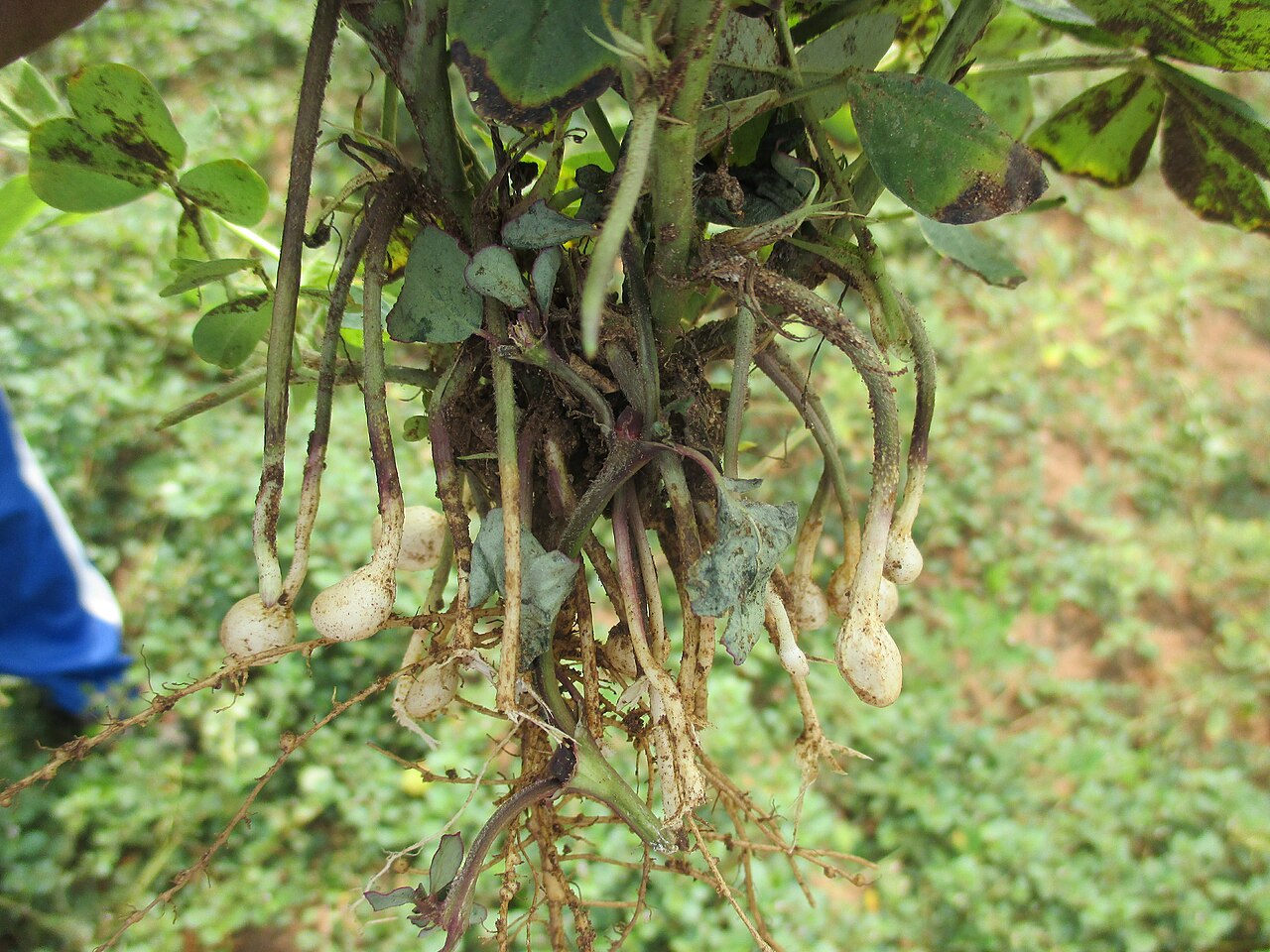
Peanut plants are low-growing annuals that typically reach 30 to 50 cm in height and have pinnate leaves and yellow flowers. After pollination each flower develops a short stalk called a peg that grows downward and pushes the developing pod into the soil where the seed matures underground. This unusual fruiting habit distinguishes peanuts from many other seed crops. As an annual herbaceous plant, it completes its life cycle within a single growing season.
Origin and historical spread
Peanuts originated in the tropical and subtropical regions of the Americas. Wild and early domesticated forms are associated with parts of South America, Central America and Mexico. Following contact between the Americas and other continents, peanuts were carried to Africa, Asia and beyond, where local varieties and cultivation methods developed, making the crop globally important.
Varieties and cultivation
Several market types are grown to suit different climates and uses. Common types include:
- Runner — widely used for peanut butter and confectionery.
- Virginia — large kernels often roasted or sold as snack peanuts.
- Spanish — smaller seeds with a higher oil content, used for oil and candies.
- Valencia — typically sweeter, often used for boiled peanuts.
Cultivation requires warm temperatures, well‑drained soils and a frost‑free season. Harvesting involves lifting plants and drying pods before shelling.
Uses and nutritional value
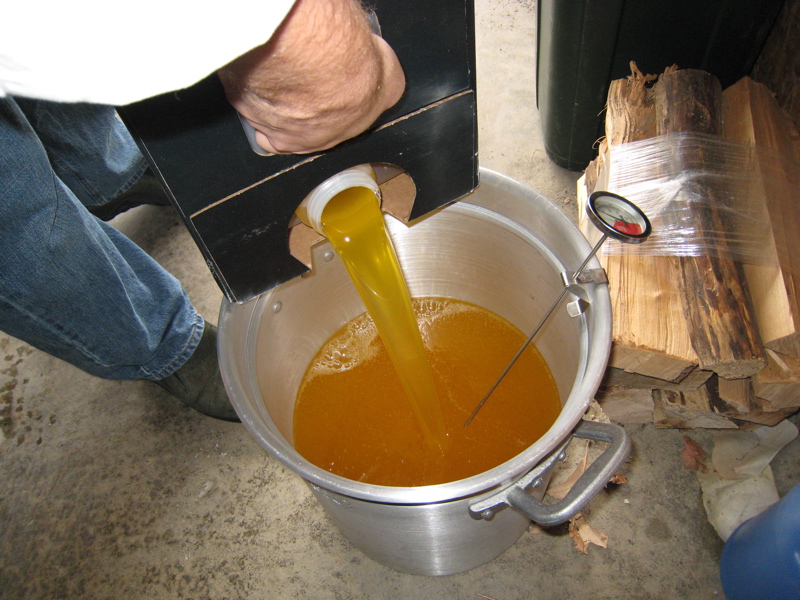
Peanuts are processed into many products including roasted nuts, peanut butter, edible oil, and protein-rich meals for animal feed. They provide concentrated energy from fats, a substantial amount of vegetable protein, and micronutrients such as niacin, folate and vitamin E. In many regions peanuts are a key affordable source of nutrition.
Health, safety and notable distinctions
Two important health considerations are peanut allergy and contamination by toxins produced by certain molds (aflatoxins) when storage conditions are poor. Allergic reactions range from mild to severe and have led to widespread labeling and prevention measures in food services. Botanically a legume rather than a tree nut, peanuts are nevertheless grouped with nuts in culinary and trade contexts. Their adaptability and multiple uses make them a globally significant crop for farmers and food industries.
Further reading and resources: legume family overview, South American crops, Central American agriculture, Mexican crop history, annual plant biology.
Questions and answers
Q: What family does peanut belong to?
A: Peanut belongs to the legume family, Fabaceae.
Q: Where is peanut native to?
A: Peanut is native to South America, Central America and Mexico.
Q: How tall do peanut plants grow?
A: Peanut plants grow 30 to 50 cm (1 to 1.5 ft) tall.
Q: What type of plants are peanuts?
A: Peanuts are annual herbaceous plants.
Q: Where in the plant are peanuts found?
A: Peanuts are found in the ground, as they are a type of root vegetable.
Q: What part of the world are peanuts widely cultivated in?
A: Peanuts are widely cultivated in the Southern United States, Africa, India, and China.
Q: Are peanuts commonly used in food recipes?
A: Yes, peanuts are commonly used in food recipes such as peanut butter, trail mix, and Asian cuisine.
Related articles
Author
AlegsaOnline.com Peanut (Arachis hypogaea) Leandro Alegsa
URL: https://en.alegsaonline.com/art/75350
Sources
- lanra.uga.edu : "World Geography of the Peanut"