
Harbor: shelter for vessels, port functions, history and types
A harbor is a protected area of water where vessels find shelter and cargo is handled. This article explains harbor types, structures, history, functions, notable examples and distinctions.
Overview
A harbor is a sheltered place along a coast or on a river where vessels can anchor or dock safely. Harbors may serve purely as refuge from weather and waves or as active ports with facilities for loading, unloading and storing cargo. Commercial activity, fishing, naval operations and recreational boating all make use of harbors. In the most general sense a harbor accommodates ships and other watercraft and provides access between the sea and inland transport networks.
Image gallery
10 Images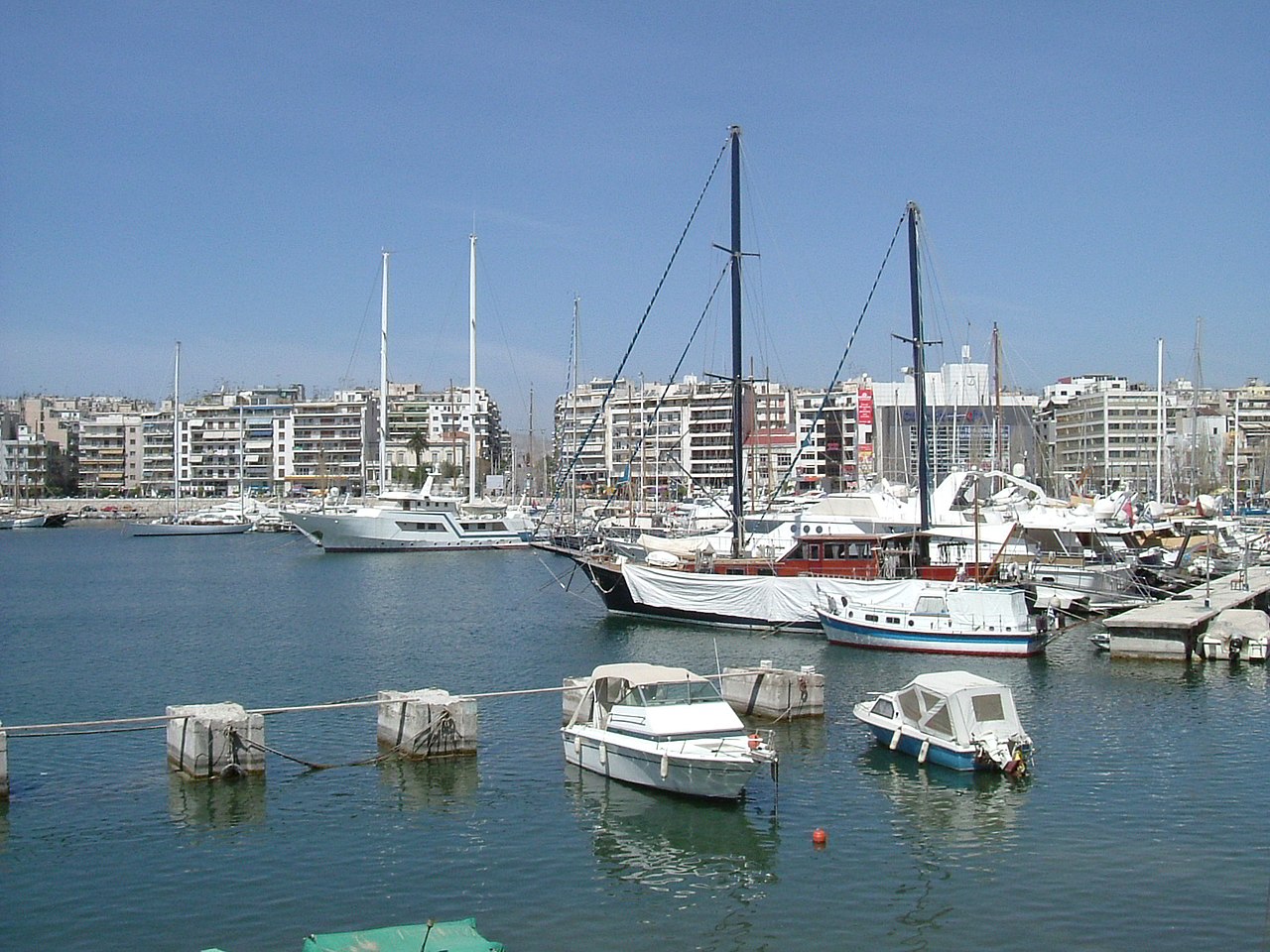


Characteristics and main parts
Harbors vary greatly in size and complexity, but several elements are common. Breakwaters, natural headlands or man-made sea walls reduce wave energy; quays, piers and wharves offer places where vessels can be tied up; and basins and channels provide navigable water of sufficient depth. Many harbors also include storage yards, customs facilities and maintenance areas.
- Quays and piers: fixed or floating structures for mooring and cargo handling, commonly referred to as quays or piers.
- Access channels: dredged or naturally deep waterways allowing safe transit to berths.
- Protection works: breakwaters, jetties and sea walls that shelter inner waters from waves and currents.
History and development
Harbors have been essential since the earliest maritime civilizations. Ancient ports combined natural inlets with artificial enhancements to encourage trade and naval power; for example, the ancient city of Carthage developed sophisticated harbor works. Over centuries, the scale and complexity of harbor engineering increased with advances in dredging, construction and navigation. In modern warfare and logistics, harbors have also played strategic roles: during the 1944 Allied invasion, engineers constructed temporary artificial harbors—often called Mulberry harbors—off the invasion beaches to support offloading operations at the landing sites near the shore.
Uses and importance
Harbors support a wide range of activities. Commercial ports handle container ships, bulk carriers and tankers, linking maritime routes with road and rail lines. Passenger ferries and cruise ships use berths and terminals to board travelers. Fishing harbors support local economies and supply chains. Harbors are also hubs for ship repair and refueling. Inland distribution from a port typically relies on road, rail and sometimes pipelines for bulk liquids; modern logistics frequently integrate multiple modes of transport such as road and rail as well as pipeline systems for petroleum and chemical products.
Notable examples and distinctions
Some harbors are almost entirely natural, formed by protected bays and estuaries, while others are largely artificial, created by extensive engineering works. Cities like San Francisco are famous for natural deep-water harbors that facilitated urban growth. In contrast, many major industrial ports have been heavily modified to accommodate larger ships and increased throughput. Distinctions also exist between a harbor (a sheltered water area) and a port (the facilities and infrastructure for handling ships and cargo): a port usually occupies part of a harbor but the two terms are not always interchangeable.
Summary: Harbors remain vital nodes in global and local transport networks, combining natural geography with human engineering to provide safe anchorage, commerce and connectivity between sea and land.
Related articles
Author
AlegsaOnline.com Harbor: shelter for vessels, port functions, history and types Leandro Alegsa
URL: https://en.alegsaonline.com/art/42381