
Sardine (pilchard): small oily fish of the herring family
Sardines (also called pilchards) are small, oily clupeid fish related to herrings. This article explains their identity, taxonomy, culinary uses, canning, naming history, and common labeling confusion.
Overview: The name "sardine" (and its synonym "pilchard") refers to a variety of small, oily, schooling fish in the herring family, Clupeidae. These silvery fish are valued both fresh and preserved for food, and they appear under different common names across regions. The term is not taxonomically precise: several distinct species and local varieties are marketed as sardines or pilchards. For general reading about related groups see related species and the broader family entry at herring family overview.
Image gallery
10 Images
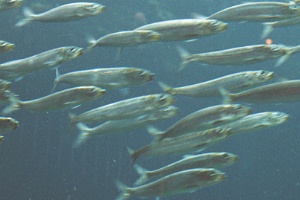




Characteristics and taxonomy
Sardines are typically small (juvenile to adult forms often under 30 cm), laterally compressed, and rich in oils that carry fat-soluble nutrients and a strong flavor. Scientifically they belong to the family Clupeidae; consult a basic taxonomic reference via Clupeidae. Fish databases list multiple species called "sardine" or "pilchard"; for example databases often include entries under names found at species listings and regional catalogues. Common commercial species differ by ocean and local fishery.
Origin of the name and historical notes
The English name is derived from the Mediterranean island of Sardinia, where abundant shoals were once readily harvested. Historical accounts and regional histories reference early sardine fisheries; for further historical context see Sardinia and fisheries and general island sources at regional history. Over time canning and preservation spread the fish's popularity far beyond their original coastal ranges.
Uses, preparation, and nutrition
Sardines are eaten fresh, grilled, pickled, smoked, or most commonly canned in oil, water, tomato sauce, or mustard. They are often praised for their nutritional profile: a source of protein, B vitamins, calcium (when bones are eaten), and omega-3 fatty acids, making them a compact nutrient-dense food. Recipes range from simple toast toppings and salads to Mediterranean and Southeast Asian dishes. For culinary ideas and preservation techniques consult culinary guides at canning and recipes and food safety notes at preservation resources.
Market names, labeling, and common confusions
In commerce, the name "sardine" is sometimes used loosely. Smaller related species such as sprats or juvenile herrings may be labeled as sardines in retail packaging. Consumer guidance and identification resources note this common substitution; see a consumer reference at labeling and substitution. When provenance or species matters—because of taste preferences or conservation—look for scientific names on labels or consult supplier information.
Conservation and fisheries
Sardine populations are influenced by environmental cycles, fishing pressure, and coastal management. Some fisheries are managed with quotas and seasonal closures to maintain stocks; others face overfishing or variability linked to ocean conditions. Sustainable seafood guides and regional fishery authorities provide up-to-date guidance for consumers and fishers, and general management summaries can be found through species and policy resources linked earlier.
- Quick facts: small, oily, schooling, clupeid family.
- Common uses: canned, grilled, smoked, preserved.
- Watch for: mislabeled products and regional name differences.
Further reading and species lists can be explored via the embedded references above for taxonomy, history, culinary uses, and market practice.
Related articles
Author
AlegsaOnline.com Sardine (pilchard): small oily fish of the herring family Leandro Alegsa
URL: https://en.alegsaonline.com/art/87339