
Saurophaganax — a large allosaurid predator of the Late Jurassic
Saurophaganax was a very large allosaurid theropod from the Morrison Formation (Late Jurassic). This article reviews its discovery, anatomy, debated classification, size estimates and paleoecology.
Overview
Saurophaganax (often rendered as "lizard-eating master") is a genus of large allosaurid theropod known from the Upper Jurassic Morrison Formation of the central United States. Fossils have been reported primarily from Oklahoma and additional possible material from nearby states; stratigraphic data place it in the late Kimmeridgian to early Tithonian stages, roughly around 150 million years ago. It is notable for representing one of the largest known predators in the Morrison assemblage and for contributing to discussions about diversity and niche partitioning among Late Jurassic carnivores.
Image gallery
10 Images


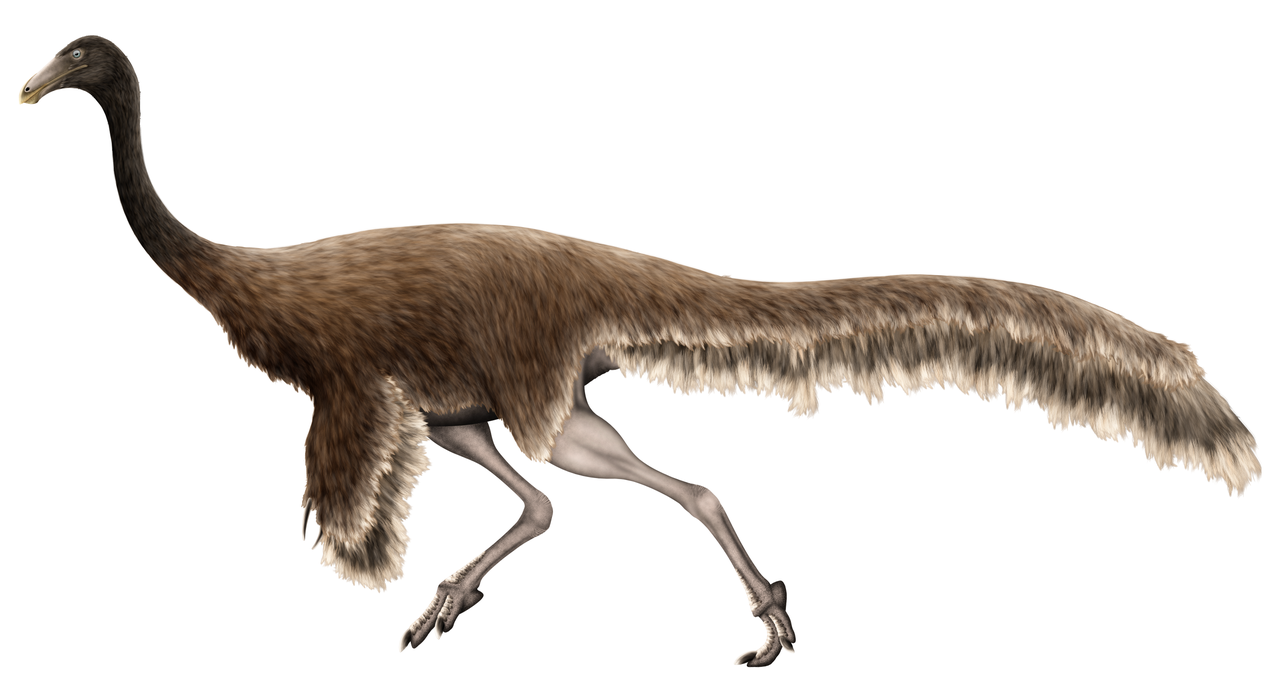
Discovery and research history
The specimens attributed to Saurophaganax were recovered from Morrison Formation deposits and include several large vertebrae and postcranial elements. From the time these fossils were first recognized, researchers debated whether they represented a distinct genus or a very large form of the well-known Allosaurus. Work on these bones has progressed in stages: initial descriptions highlighted their great size and some distinctive proportions, later reviews compared the material to other allosaurids, and more recent studies have reassessed diagnostic features in light of additional finds.
Anatomy and size
Known material includes large dorsal vertebrae, parts of the pelvis and limb girdles, and other fragmentary remains. These elements indicate a robust, powerful animal with proportions broadly similar to other allosaurids: a relatively long skull (not preserved for many specimens), strong neck musculature and powerful hindlimbs. Size estimates vary; conservative reconstructions place total length near 10–11 metres (about 33–36 feet), while some estimates extend to 12–13 metres (39–43 feet). Mass estimates are necessarily approximate but typically suggest a multi-ton animal, heavier than average Allosaurus individuals and comparable in size to some later giant theropods.
Classification and taxonomic debate
Saurophaganax is usually included in Allosauridae, a group of large-bodied basal tetanuran theropods. The principal taxonomic issue is whether differences in vertebral anatomy and overall proportions justify a separate genus or if the fossils fall within the range of variation of Allosaurus. Some paleontologists favor treating the material as a distinct genus based on specific vertebral features and relative size, while others prefer to regard it as an unusually large species of Allosaurus. Recent reviews of basal tetanuran relationships have tended to accept Saurophaganax as distinct, but consensus is not universal.
Paleoecology and behavior
Within the Morrison paleoecosystem, Saurophaganax would have been one of the apex predators, coexisting with large sauropods, stegosaurs and a variety of ornithischians. Its build suggests an ability to tackle very large prey, using strong neck and forequarter musculature and serrated teeth (inferred from related taxa) to subdue animals larger than itself. Behavior, hunting strategy and sociality are speculative and are inferred from skeletal anatomy, comparisons with related theropods and trace evidence from the formation.
Importance and open questions
Saurophaganax bears on questions of predator diversity, body-size evolution and ecological interactions in Late Jurassic ecosystems. Key open questions include discovery of cranial material that could provide diagnostic skull characters, recovery of more complete skeletons to clarify proportions and ontogenetic variation, and further stratigraphic work to refine its geographic and temporal range. Continued fieldwork in Morrison outcrops and reexamination of museum collections may yield the fossils needed to resolve its status definitively.
Further reading and resources
- Original descriptions and taxonomic history
- Overview of Allosauridae and comparative anatomy
- Morrison Formation context, fauna and environments
- Late Jurassic stages and geologic background
- Oklahoma sites and regional paleontology
- Comparisons with large theropods such as Tyrannosaurus
- Comparisons with large carcharodontosaurids and other giants
- Debates about genus versus species status
- Allosaurus and closely related genera for comparison
Questions and answers
Q: What is Saurophaganax?
A: Saurophaganax is a genus of allosaurid dinosaur.
Q: When did Saurophaganax live?
A: Saurophaganax lived about 151 million years ago.
Q: How large was Saurophaganax?
A: The maximum size of Saurophaganax was estimated at anywhere from 10.5 metres to 13 m in length, and around 3 tonnes in weight.
Q: What was Saurophaganax's diet?
A: Saurophaganax's name means "lizard-eating master," so it likely preyed on other dinosaurs and reptiles.
Q: What is the Morrison Formation?
A: The Morrison Formation is a geological formation in the western United States that dates back to the Upper Jurassic period.
Q: Is Saurophaganax considered a distinct genus or a species of Allosaurus?
A: Some paleontologists think Saurophaganax is a species of Allosaurus, while others describe it as a separate genus. The most recent review of basal tetanurans accepts Saurophaganax as a distinct genus.
Q: What might new material from New Mexico reveal about Saurophaganax?
A: New possible Saurophaganax material from New Mexico may clear up the status of the genus.
Related articles
Author
AlegsaOnline.com Saurophaganax — a large allosaurid predator of the Late Jurassic Leandro Alegsa
URL: https://en.alegsaonline.com/art/87573
Sources
- geol.umd.edu : Winter 2010 Appendix.
- doi.org : 10.1080/02724634.1998.10011039