
Sauropodomorpha: the long-necked herbivorous dinosaurs
Sauropodomorpha is a major clade of long-necked, mostly herbivorous dinosaurs that includes early prosauropods and the giant quadrupedal sauropods, known for enormous size, columnar limbs, and global fossil record.
Overview
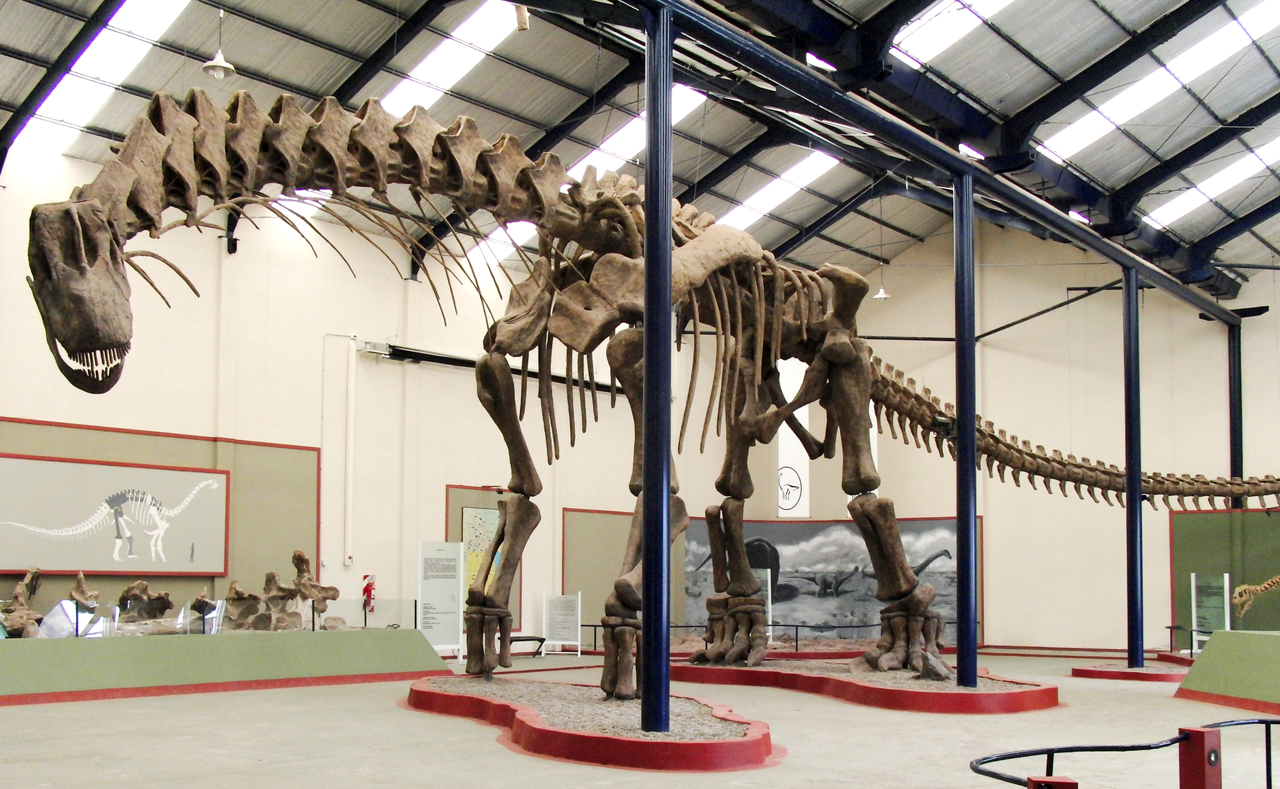
Sauropodomorpha is a clade of dinosaurs characterized by elongated necks and tails, relatively small heads, and adaptations for a primarily plant-eating lifestyle. Members range from modestly sized, often facultatively bipedal early forms to the gigantic, obligate quadrupedal sauropods that include some of the largest land animals ever discovered. For a general introduction to the group see Sauropodomorpha.
Image gallery
10 Images




Anatomy and key characteristics
Sauropodomorphs typically possess long cervical vertebrae supporting an extended neck, lightened (pneumatic) vertebrae in many later forms, small peg- or spoon-shaped teeth suited to cropping vegetation, and robust, columnar limb bones in large sauropods. Early members—commonly called prosauropods—were more gracile, often retained a grasping hand, and could walk on two legs at times, whereas derived sauropods evolved massive bodies, pillar-like limbs, and a fully quadrupedal gait.
Origin and evolutionary history
The lineage appears in the Late Triassic and diversified through the Jurassic and Cretaceous. Early sauropodomorphs experimented with mixed bipedal and quadrupedal postures before later lineages evolved the gigantism and specialized body plan associated with the classic long-necked sauropods. Widespread continental fossils show they were globally successful and occupied many terrestrial habitats.
Diversity and notable examples
- The group is often divided into earlier prosauropods and later sauropods; for taxonomic overviews see prosauropods and sauropods.
- Famous sauropods include Diplodocus, known for its extremely long tail and neck, and Apatosaurus (Brontosaurus), a large, heavy-bodied genus popularized in public exhibits and media.
Ecology, behavior, and importance
Sauropodomorphs played a major role as primary consumers in Mesozoic ecosystems. Their feeding strategies likely varied from low browsing to high browsing enabled by long necks. Some species show evidence of herd behavior in bonebeds and trackways, while their large body size influenced vegetation patterns and ecosystem structure.
Distinctions and notable facts
Unlike contemporaneous herbivorous ornithischians, sauropodomorphs evolved extremely long necks and a very small head with a relatively simple dentition. Their evolution illustrates multiple trends—body size increase, limb columnarization, and skeletal pneumaticity—that permitted efficient support and respiration in very large terrestrial vertebrates. Research into their biology continues to refine ideas about growth rates, metabolism, and life history.
Questions and answers
Q: What is Sauropodomorpha?
A: Sauropodomorpha is a suborder of dinosaurs with massive, quadrupedal herbivores having extremely long necks and tails.
Q: What are the two groups that Sauropodomorpha are divided into?
A: Sauropodomorpha are divided into prosauropods and sauropods.
Q: Which group of Sauropodomorpha included the largest land animals ever known?
A: The sauropods group of Sauropodomorpha included the largest land animals ever known.
Q: Can you name some of the largest land animals that belonged to the sauropod group of dinosaur?
A: Yes, some of the largest land animals that belonged to the sauropod group of dinosaurs are Seismosaurus, Diplodocus, Apatosaurus (popularly known as Brontosaurus), and others.
Q: What are some characteristics of Sauropodomorpha?
A: Some characteristics of Sauropodomorpha are massive, quadrupedal herbivores with extremely long necks and tails.
Q: Were all Sauropodomorpha herbivores?
A: Yes, all Sauropodomorpha were herbivores.
Q: Did all Sauropodomorpha have quadrupedal movement?
A: Yes, all Sauropodomorpha had quadrupedal movement.
Related articles
Author
AlegsaOnline.com Sauropodomorpha: the long-necked herbivorous dinosaurs Leandro Alegsa
URL: https://en.alegsaonline.com/art/87575