
European sprat (Sprattus sprattus) — small oily fish of European waters
The European sprat is a small oily forage fish related to herring, found in coastal European seas. It is nutritious, widely preserved (smoked, salted, canned) and important for fisheries and marine ecosystems.
Overview
The European sprat (Sprattus sprattus) is a small, schooling, oily fish in the herring family found throughout temperate coastal waters around Europe. It is a pelagic forage species that plays a central role in marine food webs and is widely used as human food. Although modest in size, sprat populations can occur in very large numbers and form dense shoals that are visible in sonar surveys and traditional fishing reports.
Image gallery
5 Images


Physical characteristics and biology
Sprats are slender, silver-coloured fish with a single dorsal fin and a relatively rounded belly. They are typically small (commonly under 20 cm long) and mature quickly. Sprats feed mainly on plankton and small crustaceans. Like other oily fish, they store lipids in their flesh; the fat content is commonly cited around 12% in average specimens, making them a good source of energy and fat-soluble nutrients. They spawn in coastal areas and their eggs and larvae drift in the open water before joining adult shoals.
Distribution and habitat
These fish occur in the northeast Atlantic and adjacent seas, including the North Sea, Baltic Sea, parts of the Mediterranean and Black Sea. Their distribution is influenced by temperature, salinity and food availability; some stocks migrate seasonally between feeding and spawning grounds. For general range information see regional guides and surveys such as those referenced at distribution summaries.
Uses, preservation and nutrition
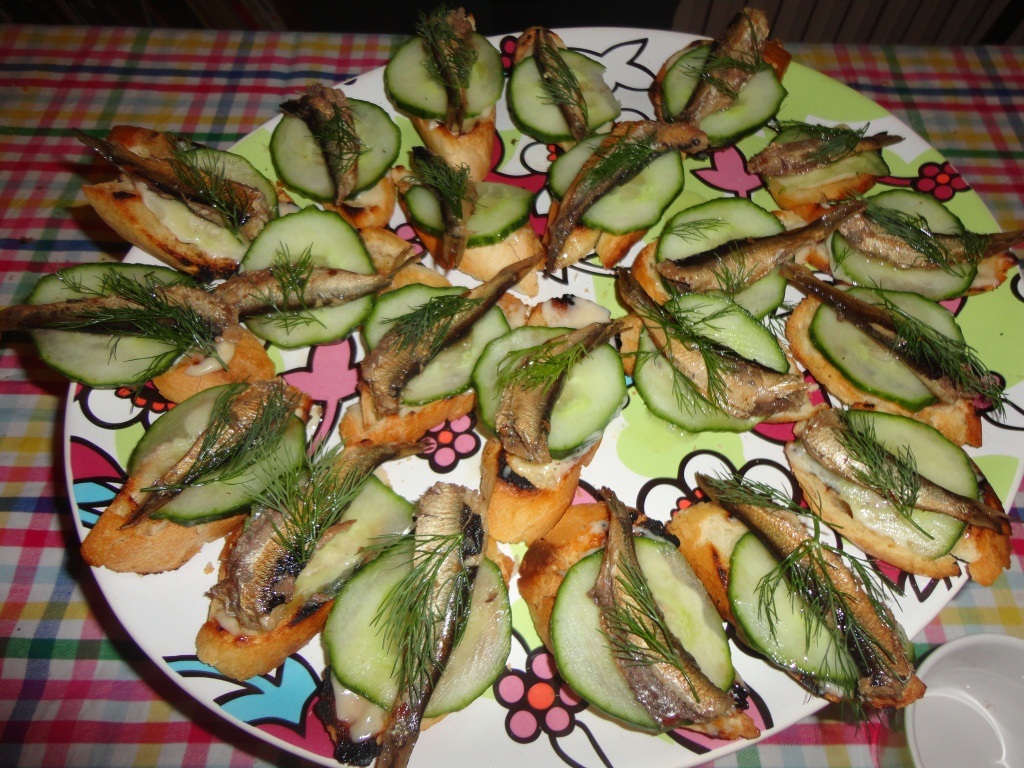
Sprats have been harvested and consumed for centuries. They are eaten fresh where available, but are also commonly preserved. Traditional methods include smoking and salting; salted sprats remain a shelf-stable product in many cuisines and are referenced in food preservation literature (salting). Canning is a widespread modern method: canned sprats in oil or sauce are sold in shops across Europe and beyond (canned sprats). Nutritionally, they supply protein and fats rich in long-chain omega-3s and are a source of vitamins such as vitamin D and B-group vitamins, as noted in dietary summaries (vitamin content).
Commercial importance and ecological role
As a forage fish, sprat is both predator and prey: it consumes plankton and in turn supports larger fish, marine mammals and seabirds. Commercial fisheries target sprat for direct human consumption and for processing into fishmeal and oil. Stock levels can fluctuate due to fishing pressure, environmental changes and predation dynamics. Management in many regions aims to balance use with ecosystem health, and monitoring programs report on abundance and catch trends regularly.
Distinctions and common names
Sprat is closely related to herring (see herring family) but differs in size and some anatomical details. In markets and culinary contexts it may be called brisling, especially when referring to small canned sprats, and should not be confused with sardines or anchovies. Culinary preparations vary by region: smoked sprats are popular in northern Europe, while salting and canning are widespread preservation methods.
Further information
- Biological surveys and regional fisheries reports provide detailed stock assessments; consult marine authorities and scientific literature for up-to-date data (species pages).
- For recipes, preservation techniques and culinary uses, see traditional cookbooks and food preservation references (canning, salting).
Related articles
Author
AlegsaOnline.com European sprat (Sprattus sprattus) — small oily fish of European waters Leandro Alegsa
URL: https://en.alegsaonline.com/art/32629