
Mast (sailing vessel)
A mast is the primary vertical spar on a sailing vessel that supports sails, rigging and equipment; this article outlines parts, historic and modern construction, rig types, functions and maintenance.
The mast of a sailing vessel is a principal vertical spar that supports sails, yards and running and standing rigging so the sails can catch the wind efficiently. On larger craft two or more masts are arranged fore-to-aft and are conventionally named by position, for example foremast, mainmast and mizzenmast. The mast is also a structural element for signal flags, lights, antennas and lookout platforms.
Image gallery
10 Images
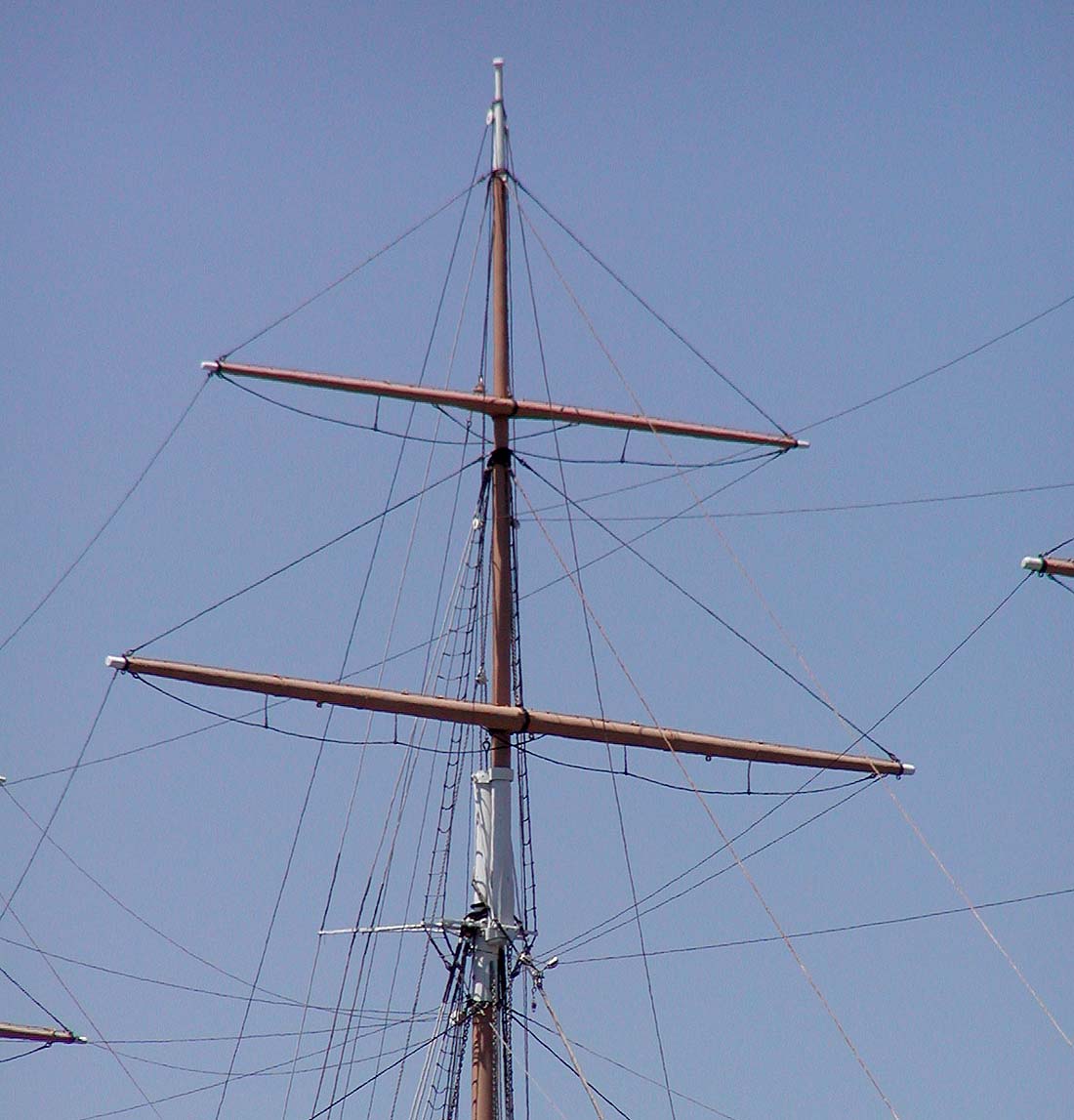


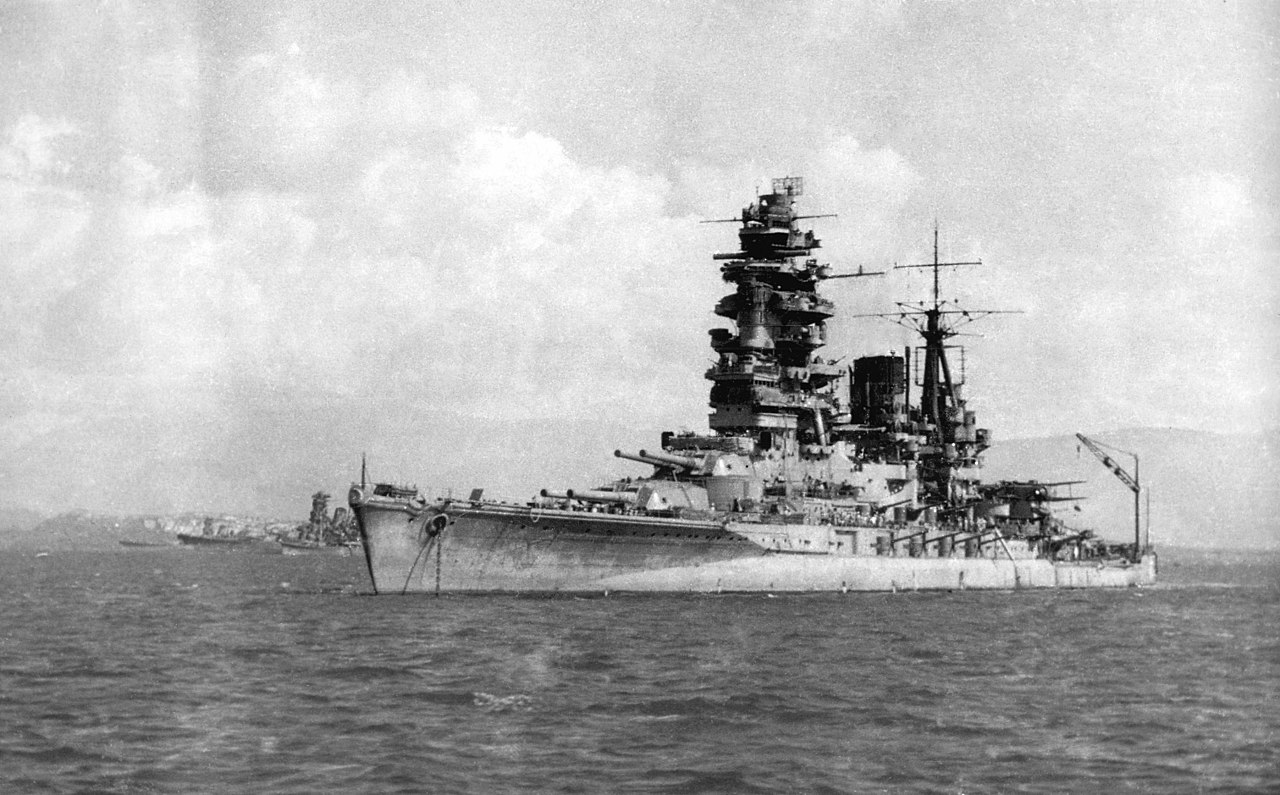

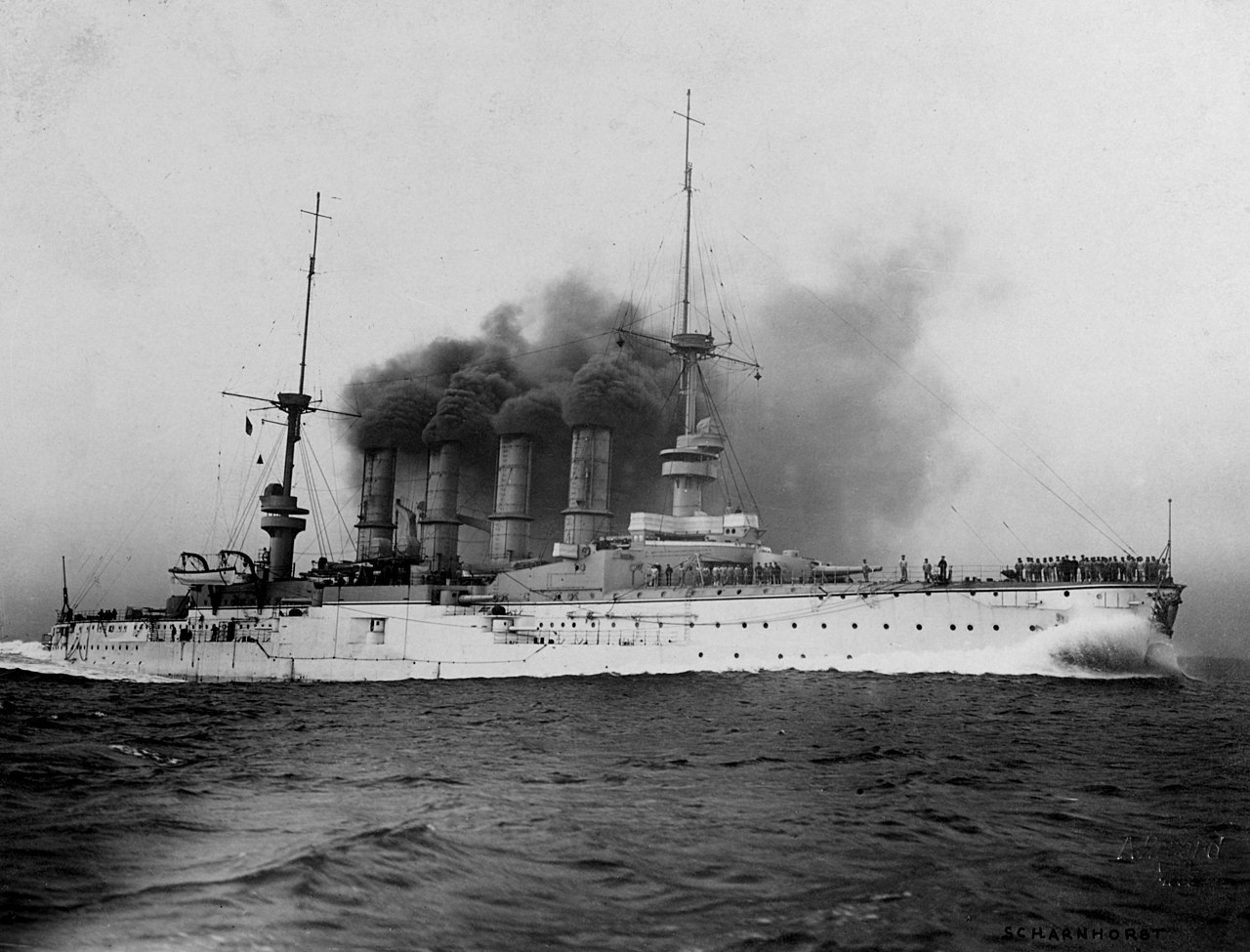


Parts and terminology
A mast assembly is usually described in named sections and fittings. Common parts include the heel or step at the base where the mast meets the hull, partners and collars that secure it, the masthead and the top. Above the lower mast there may be a topmast, topgallant and royal in multi‑section constructions. Standing rigging — shrouds and stays — holds the mast laterally, and running rigging adjusts sails and spars. Attached spars include yards (for square sails), booms and gaffs; spreaders and spreader bases control shroud geometry.
Historical construction
Traditionally, masts were wooden spars. Early masts were made from a single straight tree trunk when suitably tall trees were available. As vessels increased in size and as single trees became scarcer, shipwrights developed built‑up masts: smaller spars were lashed, bolted or scarfed together to achieve the required length and strength. Wooden masts often consisted of multiple sections to ease handling and repair.
Materials and modern construction
With the industrial era iron and steel began to be used for masts on larger vessels, and later aluminum became common on pleasure craft for its light weight and corrosion resistance. In recent decades composite materials such as carbon fibre have been widely adopted for high performance yachts because they combine high stiffness with low weight. Modern mast designs may be hollow, tapered, rotating or feature integrated channels and attachments for halyards and electronics.
Rigs and arrangements
Sailing rigs use different mast layouts to balance handling, performance and purpose. Typical arrangements include single‑masted sloops and cutters; two‑masted ketches, yawls and schooners; and various square‑rigged vessels such as brigs, brigantines, barques and full‑rigged ships. Each rig type positions sails and spars to take advantage of prevailing winds and to suit the vessel's role, whether coastal cruising, racing or long‑distance cargo passage.
Functions beyond sails
In addition to carrying sails, masts provide mounting points for navigation lights, signal flags, radar, radio antennas and instruments such as anemometers. On traditional ships the masthead served as a lookout station. Modern cruising and racing yachts also use masts to route control lines internally and to reduce windage and aerodynamic drag.
Maintenance and safety
Regular inspection and upkeep of mast fittings, standing and running rigging, and the mast step are essential for safety. On wooden masts this includes checking for rot and fastener integrity; on metal masts corrosion, cracks and fatigue must be monitored. Turnbuckles, shackles, spreader ends and masthead fittings are routine inspection points. Proper maintenance extends service life and reduces the risk of dismasting.
Further reading
For general information about masts and their role in ship design see resources on rigging and sailing practice. For related topics: mast overview, sails and spars, historical developments and traditional single‑tree masts.
Questions and answers
Q: What is a mast?
A: A mast is a tall vertical pole that supports the sails of a sailing ship.
Q: How many masts do larger ships have?
A: Larger ships have several masts, and the number depends on the style.
Q: What were ship's masts made of before the 20th century?
A: Ship's masts were made of wooden spars, which were originally constructed from a single straight tree trunk.
Q: How were taller masts constructed as ship sizes increased?
A: Taller masts were constructed by lashing up to three spars together.
Q: Why are masts important for sailing ships?
A: Masts support the sails, which are crucial for propulsion and steering of the ship.
Q: What materials are used to make modern ship's masts?
A: Modern ship's masts are made of materials like aluminum, carbon fiber, or steel.
Q: How has the construction of masts changed over time?
A: The construction of masts has evolved from single tree trunk spars to larger and taller masts made by lashing together multiple spars, and more recently using modern materials like aluminum and carbon fiber.
Author
AlegsaOnline.com Mast (sailing vessel) Leandro Alegsa
URL: https://en.alegsaonline.com/art/62721