
Competition: definition, types, structure, history and social roles
An overview of competition: what it is, common forms (sports, arts, science), how contests are organised and judged, historical context, purposes, formats, and notable distinctions and concerns.
Competition refers to an organised activity in which individuals or teams strive to perform better than others according to defined criteria. Participants are commonly called competitors and contests usually end with results, rankings or a declared winner. Victors may receive various rewards such as a prize, a trophy or money, though recognition, titles or opportunities can be equally important outcomes.
Image gallery
7 Images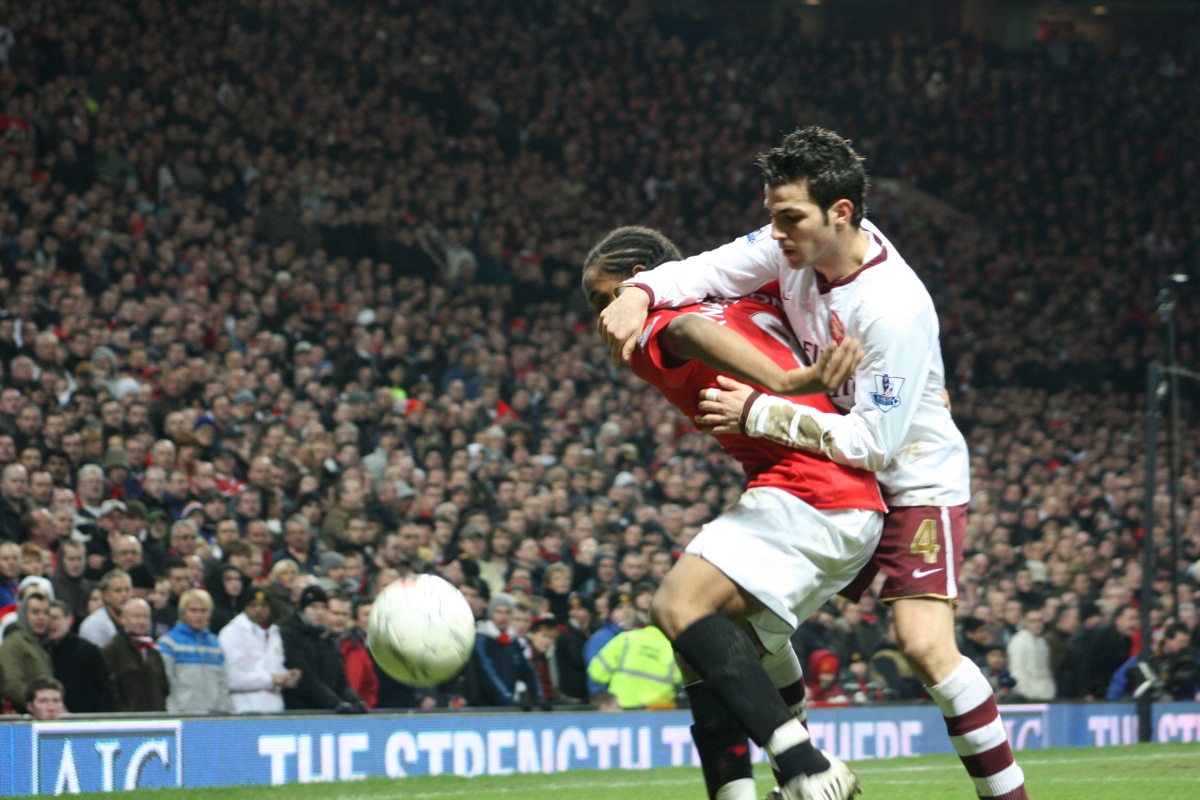


Common types and settings
Contests appear in many spheres of life. Some recurring categories include:
- Sport and athletic events, from individual races to team championships;
- Writing, journalism and literary competitions that evaluate creativity and craft;
- Music, dance and performing-arts contests judged on artistic merit;
- Academic and technological contests such as debates, hackathons or science fairs (science competitions);
- Mind sports like chess and strategic games.
Structure, rules and adjudication
Competitions are governed by explicit or implicit rules. Officials enforce standards and fair play; in many physical sports a referee or umpire regulates the contest, while artistic or academic events commonly rely on an adjudicator or panel of judges. Formats vary: single-elimination brackets, round-robin leagues, time- or score-based trials, point systems and judged rankings are typical arrangements. Entry conditions, eligibility and tie-breaking procedures are normally specified in advance.
Judging can be objective (measurable results such as time, distance or score) or subjective (assessments of quality or style). Many modern competitions combine both approaches with technical criteria and discretionary evaluation to reduce bias.
Origins, development and cultural role
Competitive activities have existed in many cultures since antiquity as ways to allocate prestige, resources and roles, to test skills and to entertain communities. Over time formal competitions evolved—from local festivals and guild contests to national and international championships—accompanied by standardised rules, governing bodies and professionalisation. In contemporary societies contests also serve educational, commercial and scientific purposes, encouraging innovation and excellence.
Purpose, benefits and concerns
Competitions motivate improvement, highlight talent, and create narratives that attract audiences and sponsors. They can accelerate progress in technology, arts and research by offering incentives and benchmarks. However, competitions can raise ethical issues: unequal access, cheating or doping, judging bias, and excessive pressure on participants are persistent concerns. Distinctions are also important—competitive formats range from zero-sum rivalries to constructive contests that reward multiple winners or collaboration alongside rivalry.
Formats and notable facts
Typical awards include medals, certificates, scholarships and commercial prizes. Some contests emphasise participation and development rather than winning; others determine professional advancement or funding. Understanding the rules, the judging method and the cultural context helps distinguish a friendly local contest from a high-stakes, regulated championship.
Questions and answers
Q: What is a competition?
A: A competition is an event where people compete to see who is the best at something.
Q: Who is called a competitor in a competition?
A: Someone who takes part in a competition is called a competitor.
Q: What do the competitors do in a competition?
A: The competitors compete against one another in a competition.
Q: What does the winner of a competition get?
A: The winner of a competition may get a prize, which can be a trophy or money.
Q: What are some examples of competitions?
A: Competitions can be for lots of different things, such as sport, writing, music, dancing, science, or chess.
Q: What is the role of a referee in a competition?
A: In some competitions, a referee is needed to make sure that the game is played fairly and that the competitors obey the rules.
Q: What is the role of an adjudicator in an event like music competition?
A: In events like music competitions, there will often be an adjudicator who will decide which person they think is the best.
Related articles
Author
AlegsaOnline.com Competition: definition, types, structure, history and social roles Leandro Alegsa
URL: https://en.alegsaonline.com/art/22233