
Saadi (Saadi Shirazi) — Persian Poet and Moralist
Saadi (1184–1291) was a Persian poet and prose writer from Shiraz, best known for the didactic Bostan and the elegant Golestan, works of moral reflection, storytelling and humanism.
Saadi, commonly called Saadi Shirazi, is one of the most celebrated Persian writers of the medieval period. Born in Shiraz, he is traditionally dated to 1184–1291. His output includes both verse and prose composed primarily in Persian, with occasional compositions and quotations in Arabic. Saadi's reputation rests on his skillful combination of moral teaching, anecdote and lyrical expression.
Image gallery
10 Images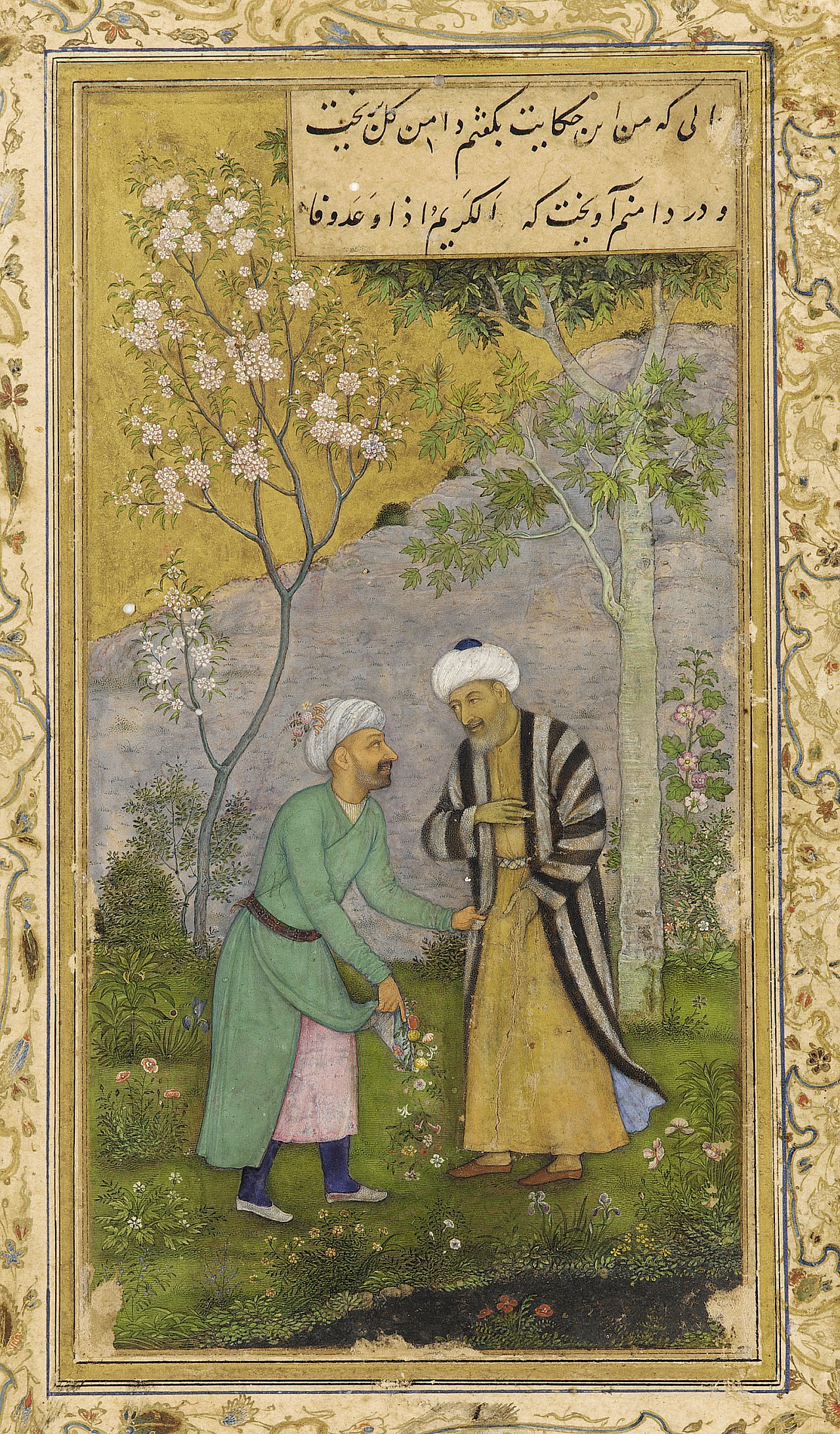







Major works
Two books dominate Saadi's literary legacy. The Bostan ("The Orchard") is written mainly in verse and contains ethical tales and Sufi-inspired guidance; the Golestan ("The Rosery") mixes prose and poetry and is noted for its aphorisms and short stories. Both works appear widely in Persian literary curricula and have been translated into many languages. His style is praised for clarity, wit and moral force.
Saadi's poems and prose frequently appear under headings and citations in anthologies and public inscriptions. A quatrain often attributed to his Golestan — beginning with the words "Bani Adam" — is widely cited as an expression of human solidarity and compassion and has been used in modern contexts to symbolize universal human rights and empathy.
Life and travels
After early education in Shiraz, Saadi traveled to Baghdad to study at institutions such as the Nizamiyya of Baghdad. His biographies, though sometimes inconsistent, record extensive journeys. He visited regions now identified with Anatolia (Anatolia), the Levant and Syria (Syria), Egypt (Egypt) and Iraq (Iraq), and met scholars, rulers and common people. These travels supplied material for his stories and reflections.
Saadi's outlook blends orthodox Islamic learning with Sufi sensibilities and practical wisdom. His writings address rulers and ordinary readers alike, offering counsel on justice, humility, charity and the ephemeral nature of power and life. He is often presented as an ethical guide whose anecdotes illustrate moral principles rather than as a systematic theologian.
Legacy and notable facts
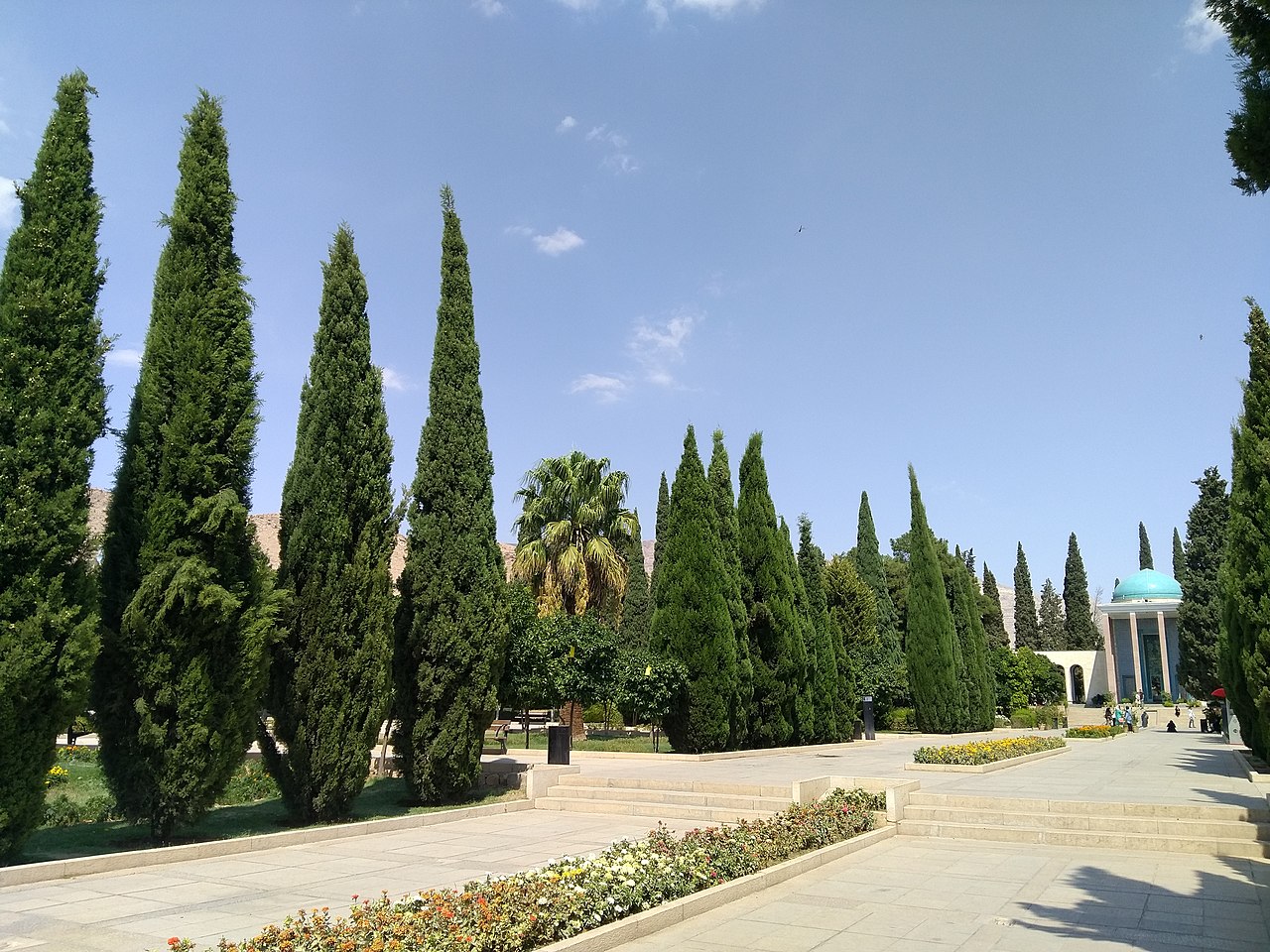
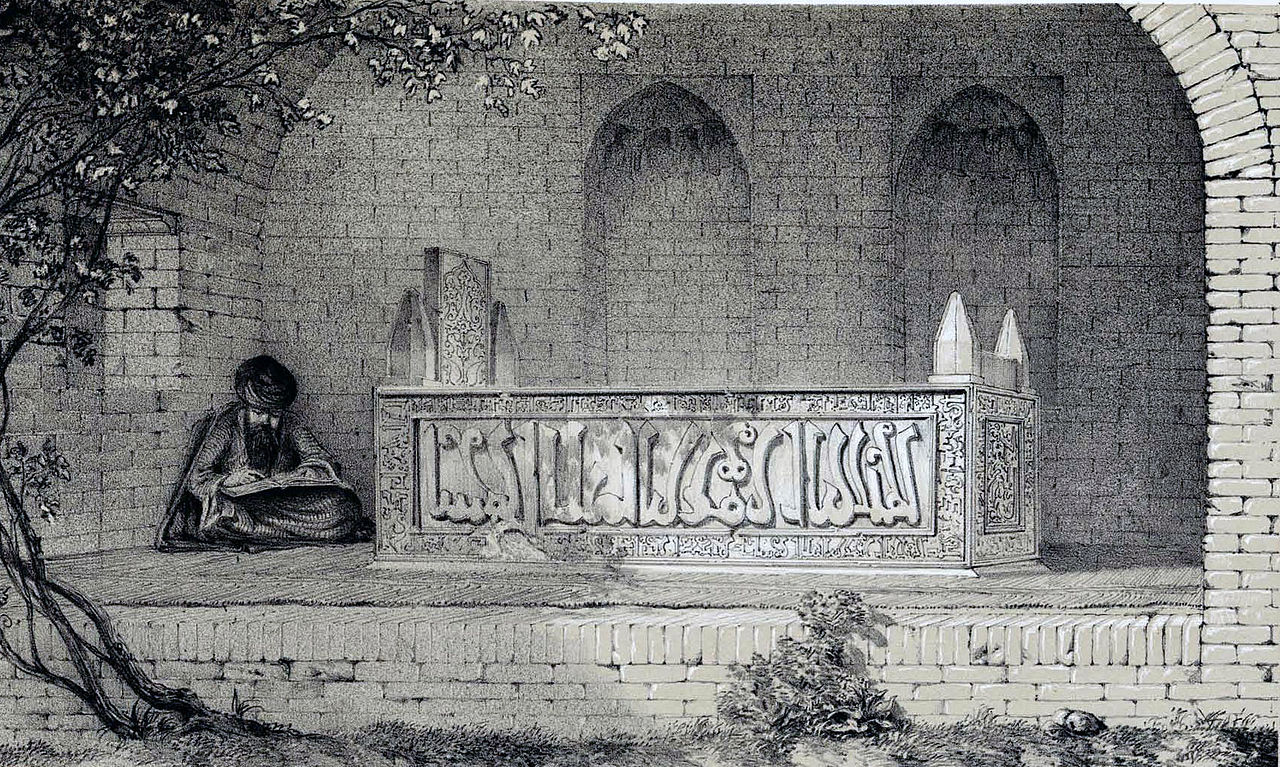
- Saadi's tomb, known as Saadieh, is located near his birthplace in Shiraz, Iran and has long been a site of literary pilgrimage.
- His works influenced Persian prose style and the didactic tradition; many of his sayings became proverbs quoted in everyday speech (literary and popular).
- Writings attributed to Saadi circulate in both poetic and prose anthologies and are studied in contexts ranging from classical literature to moral education (poetry).
- Scholars continue to discuss the chronology and details of his life; however, his major books remain central to Persian letters and world literature (biography, travel).
Saadi's economy of language, humanist themes and mix of instruction with storytelling make his writings accessible across centuries. Readers encounter in his pages vivid portraits of human weakness and nobility, concise maxims of conduct and a recurring appeal to empathy and social responsibility. For introductions and translations, consult standard editions and modern commentaries that present the Golestan and Bostan together with explanatory annotations (editions, translations, studies).
His work remains a touchstone in Persian culture and a useful entry point for students of medieval literature, ethics and Sufism. For further reading and digital resources, see annotated collections and libraries that gather manuscripts and scholarly analyses (manuscripts, introductions).
Related articles
Author
AlegsaOnline.com Saadi (Saadi Shirazi) — Persian Poet and Moralist Leandro Alegsa
URL: https://en.alegsaonline.com/art/85051