
Saburo Sakai — Japanese naval aviator and World War II fighter ace
Saburo Sakai (1916–2000) was an Imperial Japanese Navy fighter pilot and ace, later a memoirist who became a Buddhist pacifist and reflected publicly on his wartime actions and responsibilities.
Overview
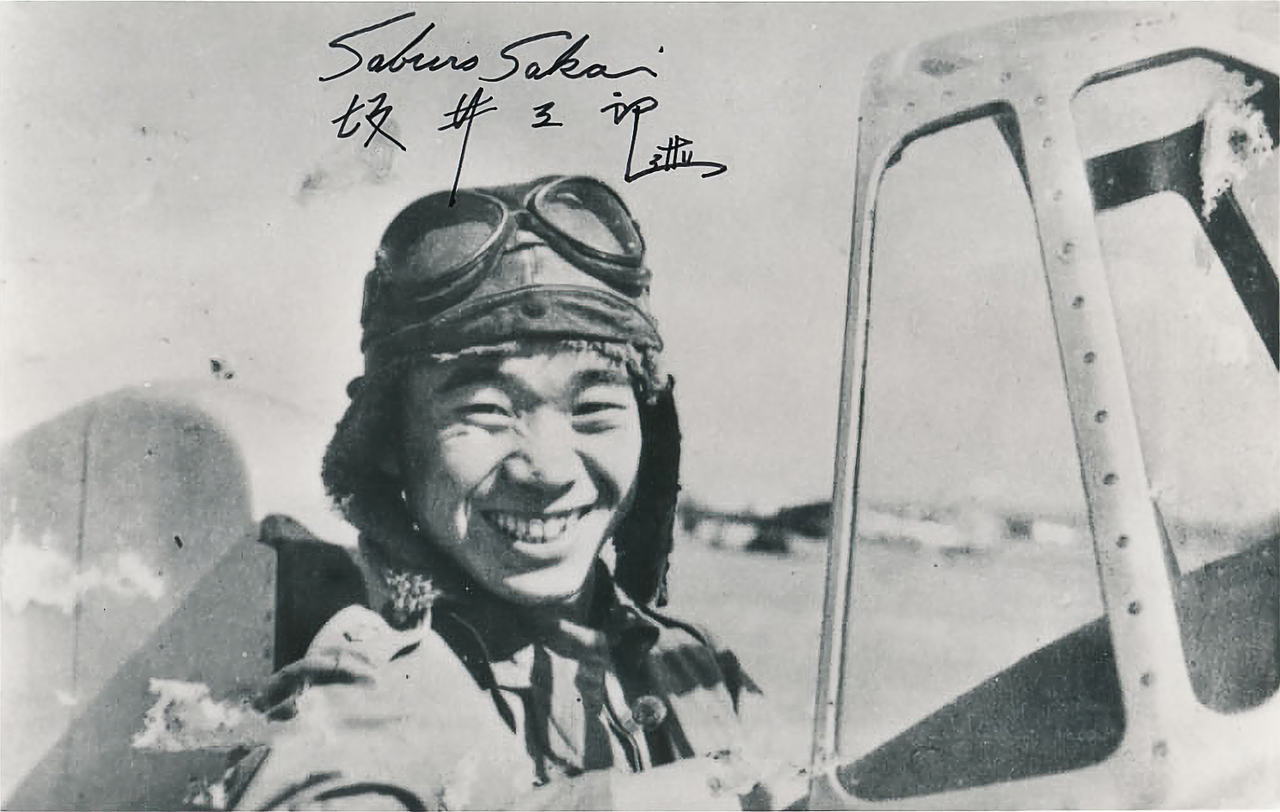
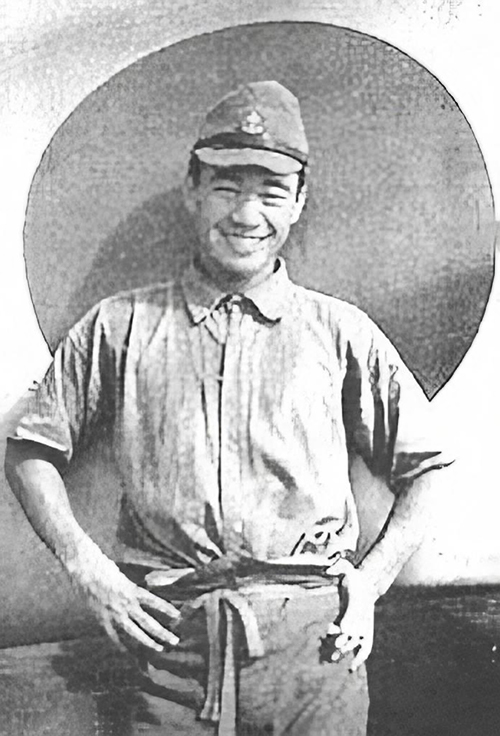
Saburo Sakai (坂井三郎, 1916–2000) was a leading fighter pilot of the Imperial Japanese Navy in the Pacific campaign of World War II. He is widely remembered for flying the Mitsubishi A6M "Zero" in combat, for his high number of claimed aerial victories, and for a public postwar life in which he reflected critically on the war. Sakai survived multiple severe wounds and returned to civilian life as a memoirist and public figure.
Image gallery
6 Images


Early life and training
Born in 1916, Sakai trained as a naval aviator and served with frontline carrier-associated and land-based fighter units. As with other Japanese aviators of the period, his education combined basic naval instruction and specialized flight training that prepared pilots for air combat over vast oceanic theaters. Japanese naming conventions place the family name first; in this case the family name is Sakai.
Combat service and record
Sakai flew numerous combat missions across the South Pacific and New Guinea campaigns, engaging Allied fighters and bombers. He became known for his skill in maneuvering the A6M Zero and for surviving conditions that proved fatal to many contemporaries. Sakai claimed a large number of aerial victories during the war; different sources and historians discuss and sometimes dispute exact totals because wartime records were often chaotic, duplicated, or compiled under stress. Sakai himself claimed 64 enemy aircraft shot down and is often listed among the higher-scoring Japanese aces.
Wounds, survival and notable actions
During his service Sakai was seriously wounded in action. Wounds and combat damage once forced him to ditch his aircraft; he later endured partial loss of vision in one eye as a result of combat injuries but returned to flying duties despite that impairment. He reported engaging large Allied aircraft late in the war and has been linked with the claim of shooting down a B-32 bomber on the final day of hostilities. Such incidents illustrate both the ferocity of aerial combat in the Pacific and the personal resilience of some participants.
Postwar life, beliefs and writings
After the war Sakai underwent a notable change in outlook. He became publicly critical of Japan's wartime leadership and its decisions, and he embraced Buddhism and pacifist sentiments. Sakai later stated that he would not take another life and expressed personal remorse for enemies killed in combat, saying he prayed for their souls. He co-operated with writers to produce memoirs and personal accounts describing his wartime experiences, which have been used by historians and by readers seeking first-person perspectives on air combat and the human dimensions of war.
Legacy and cultural impact
Sakai's memoirs and interviews contributed to popular and scholarly discussion about aces, aerial combat, and the moral reckoning of former combatants. He participated in public events and, later in life, provided technical and experiential advice to creators reconstructing World War II air combat in simulation and entertainment projects, helping to shape the depiction of carrier and fighter operations in postwar media.
Claims, debate and historical context
Victories claimed by fighter pilots are often treated cautiously by historians because of the fog of combat, differences in recording methods among nations, and postwar recollection. Sakai's claims remain part of that broader discussion: they are important for understanding his reputation and role, but they are considered alongside unit records, Allied loss records, and contemporary reports to build a fuller historical picture.
Further reading and related topics
For readers seeking broader context about Sakai's life and the environment in which he served, the following topics may be useful starting points. These links are placeholders for further reading and do not represent direct citations.
- Japanese naming conventions
- family name usage
- Sakai family references
- naval aviation overview
- Imperial Japanese Navy
- fighter pilot training
- World War II Pacific theater
- aerial victory counts
- postwar criticism
- wartime government policies
- pacifist thought in Japan
- Buddhism and veterans
- ethical pledges and statements
- prayer and remembrance
- memorials for wartime opponents
- collaborations with technology firms
- simulation and game design
For careful study, consult Sakai's own memoirs and academic histories of Pacific air warfare that examine pilot claims, unit records, and the operational context of Japanese naval aviation. These sources help place individual accounts within the larger narrative of the air war and its human consequences.
Related articles
Author
AlegsaOnline.com Saburo Sakai — Japanese naval aviator and World War II fighter ace Leandro Alegsa
URL: https://en.alegsaonline.com/art/85120
Sources
- hotlinecy.com : Interview with the "Angel fo Death", Saburo Sakai