
Saburo Kawabuchi — Japanese football player, manager and administrator
Saburo Kawabuchi (born 3 Dec 1936) is a former Japanese football player and manager who became a leading administrator, credited with helping to create the professional J.League and shaping modern Japanese football.
Saburo Kawabuchi (born December 3, 1936) is a prominent figure in Japanese sport, noted for his long career as a player, his work as a coach, and his influence as an administrator. He represented his country on the field and later guided teams from the touchline before moving into leadership roles that helped transform football in Japan into a professional enterprise.
Image gallery
2 Images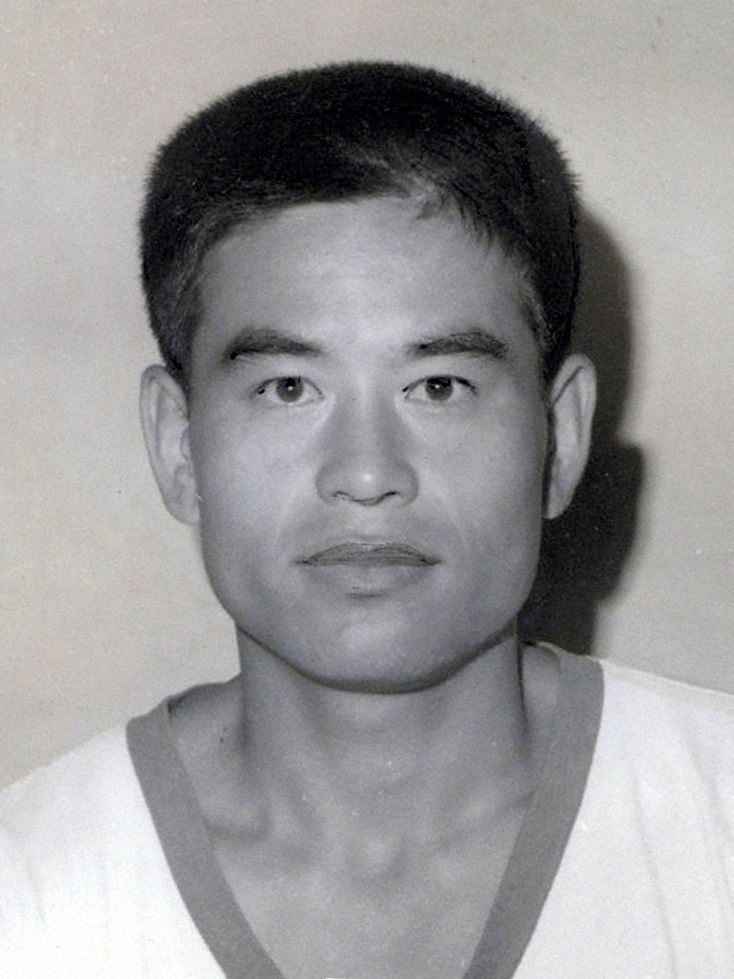

Playing career and international appearances
Kawabuchi built his reputation first as a talented domestic player who earned selection to the national side. Throughout his playing days he was associated with the semi‑professional club scene that preceded full professionalisation. He won caps for the Japan national team and contributed as an attacking player, combining technical skill with a sense of tactical awareness valued in that era.
Managerial work and coaching
After retiring from playing, Kawabuchi moved into coaching and managed at club and national levels. His experience as a former international helped him communicate with players and introduce training ideas that reflected contemporary trends in the sport. As a coach he emphasized organization, fitness and the development of younger players.
Administration and the birth of the professional game
Kawabuchi is widely acknowledged as a driving force behind the creation of Japan's professional league. Credited in many accounts as a founding architect of the modern domestic competition, he later held senior positions within league and association structures. His administrative work focused on professionalising club management, expanding spectator interest, and improving youth development pathways for Japanese football.
Legacy and notable facts
His career spans three distinct phases—player, coach and administrator—each of which left a mark on the sport nationally. Kawabuchi helped shift Japanese football from a corporate and amateur framework into a professional environment, encouraging greater commercial viability and higher standards on and off the pitch. He is routinely mentioned when discussing the modernization of the sport in Japan and its rise in popularity during the late 20th century.
- Born: December 3, 1936.
- Roles: international player, national team coach, league and association leader.
- Recognized for his central role in establishing professional league structures and promoting youth development.
- Seen as an influential figure in the transition of Japanese football into the professional era.
For more on the structures and history he influenced, see links and resources related to the national team and domestic league initiatives player and manager biographies and governing body histories.
Related articles
Author
AlegsaOnline.com Saburo Kawabuchi — Japanese football player, manager and administrator Leandro Alegsa
URL: https://en.alegsaonline.com/art/85119
Sources
- samuraiblue.jp : Japan Football Association
- japannationalfootballteam.com : Japan National Football Team Database
- national-football-teams.com : National Football Teams