
Shiraz — city of gardens, poetry, and ancient Persia
Shiraz is a major city in southern Iran, capital of Fars Province, noted for its cultural heritage, historic gardens, classical poets, proximity to Persepolis, universities, and long urban history.
Overview
Shiraz is a culturally important city in southern Iran and the administrative center of Fars Province. It has a metropolitan population of about 1.4 million people and is widely regarded as one of Iran's major cities. The urban area combines a long history with active cultural life, public gardens, and a reputation as a regional educational and research hub.
Image gallery
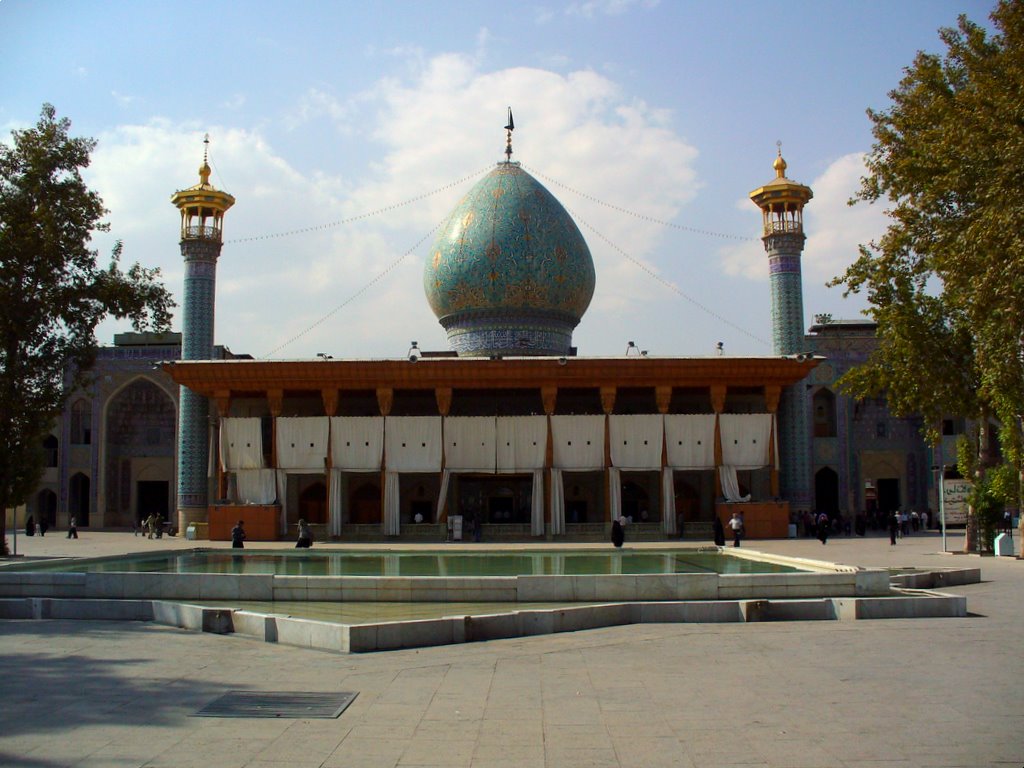
10 Images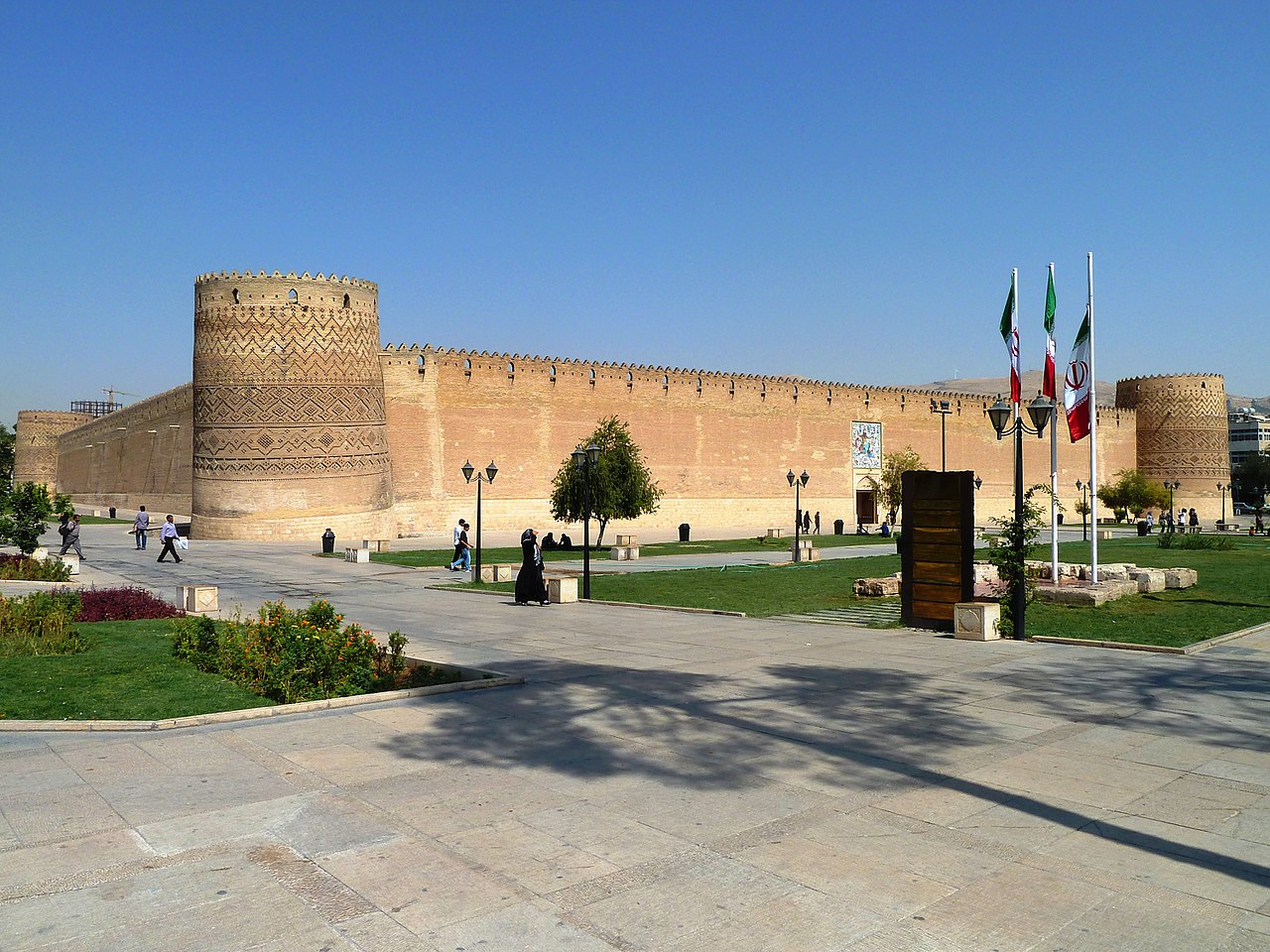




Historical background
The city has been inhabited for many centuries and rose to prominence under several Persian dynasties. It served at times as a seat of regional power and governance, and it lies near some of Iran's most important archaeological sites, notably the ruins of Persepolis and the rock-cut tombs at Naqsh-e Rustam. These nearby monuments underscore the deep historical roots of the region.
Culture, architecture and landmarks
Shiraz is famed for its contribution to Persian literature and poetry. The tombs and memorials of celebrated poets such as Hafez and Saadi are important cultural sites visited by both locals and tourists. Architecturally, the city preserves historic bazaars, ornate mosques with tile work, and several formally designed Persian gardens, which illustrate traditional landscape aesthetics.
- Notable urban sites include Vakil Bazaar, Vakil Mosque and the Nasir al-Mulk Mosque (often called the "Pink Mosque").
- Prominent gardens such as Eram Garden exemplify the Persian garden tradition and are protected as part of the city’s cultural heritage.
- Major archaeological attractions like Persepolis and Naqsh-e Rustam are accessible as day trips from Shiraz.
Economy, education and crafts
The local economy blends education, services, light industry and traditional crafts. Several universities and research institutions are based in the city, contributing to academic life and technological activity. Traditional crafts such as carpet weaving and other handicrafts remain important to local identity and to small-scale industry in and around the city.
Climate, transport and living
Shiraz has a generally temperate climate relative to other parts of Iran, with hot, dry summers and mild winters in the city itself. It is served by road, rail and air connections that link it to other Iranian cities, and it functions as a gateway for visitors exploring the historic sites of Fars Province. Local markets, festivals and public parks make it a vibrant urban center.
Tourism, conservation and further information
Tourism to Shiraz often emphasizes cultural heritage, gardens and nearby ancient ruins. Conservation efforts focus on protecting historic buildings, archaeological sites and traditional gardens. For practical visitor guidance and heritage resources, consult regional tourism and conservation information at local tourism and heritage.
Related articles
Author
AlegsaOnline.com Shiraz — city of gardens, poetry, and ancient Persia Leandro Alegsa
URL: https://en.alegsaonline.com/art/89865