
Baklava: layered pastry dessert of the Middle East, Balkans, and Anatolia
Baklava is a rich layered pastry of thin dough, nuts and syrup or honey with many regional variants across the Middle East, Balkans and Anatolia; often associated with Ottoman cuisine.
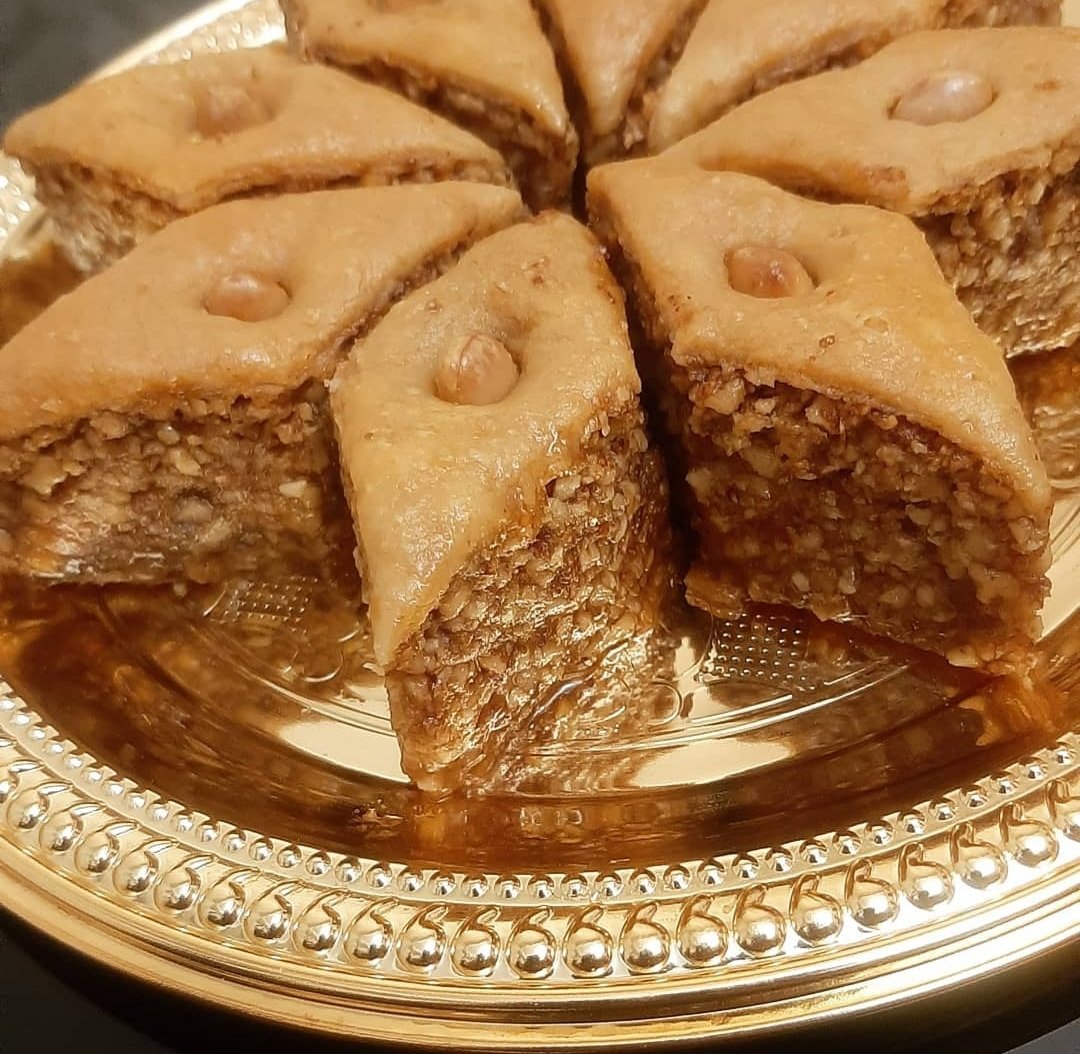
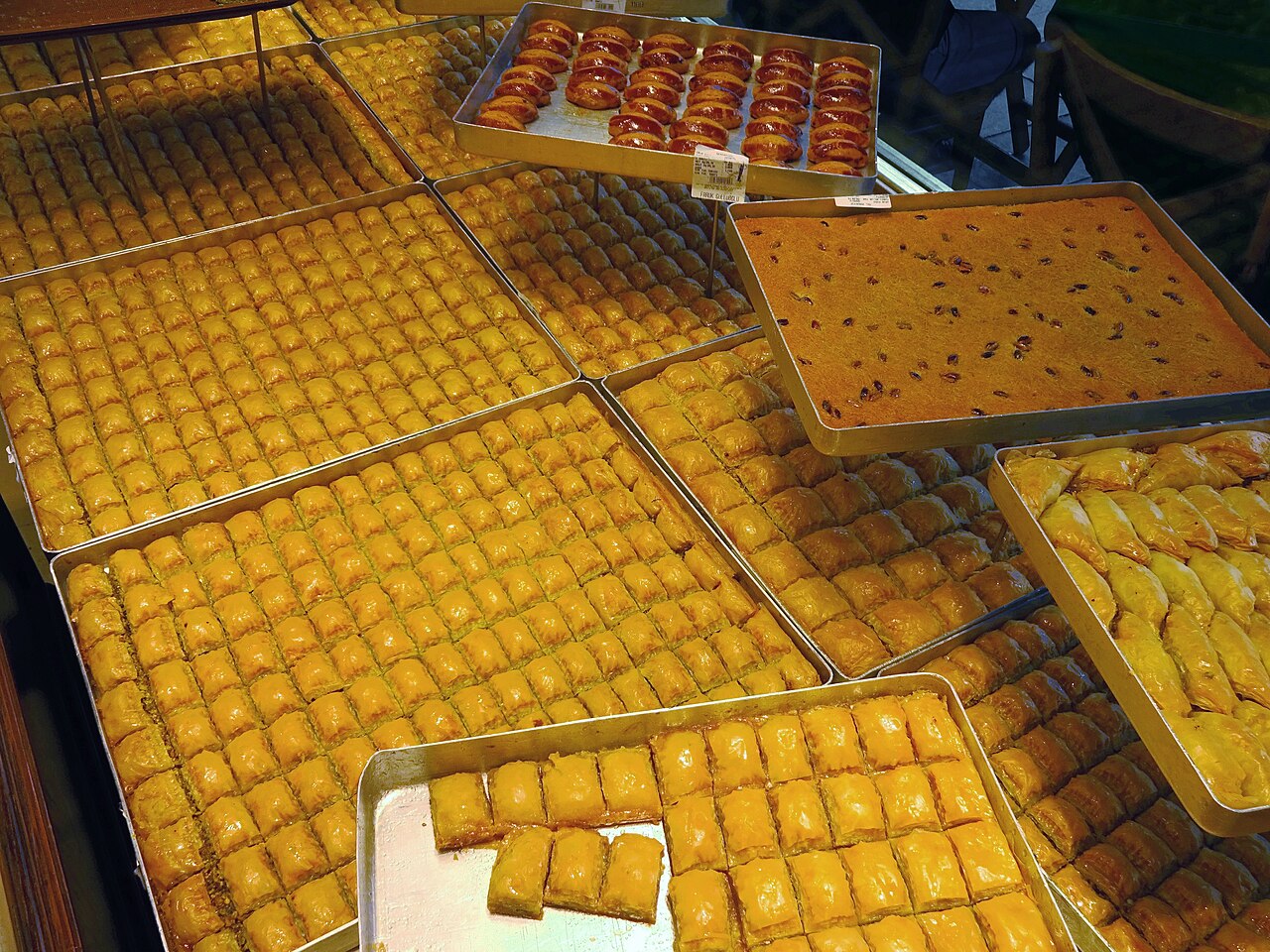
Baklava is a sweet, multi-layered pastry made by stacking very thin sheets of dough with chopped nuts and then baking and soaking the finished pastry in a sweet syrup or honey. It is prized for its contrast of crisp, flaky layers and a sticky, fragrant sweetness. The pastry is commonly cut into diamonds or squares before baking and appears across many culinary traditions in the Middle East, Western Asia and the Balkan Peninsula.
Image gallery
10 Images




Characteristics and common ingredients
At its core baklava combines three elements: paper-thin pastry sheets (often phyllo), a nut filling and a sweet finishing syrup. Typical nuts include pistachios, walnuts and almonds, and regional recipes may add spices such as cinnamon or cloves, citrus zest, or rose and orange blossom waters in the syrup. Variations range from lightly sweetened versions to very rich, heavily sugared ones. It can be served plain or accompanied by ice cream or clotted cream (kaymak).
History and cultural context
The exact origin of baklava is contested; layered pastries and nut-sweetened pies have a long history in the Near East and Mediterranean. The modern, widely distributed form is strongly associated with the cookery of the Ottoman Empire and appears in palace and household cookbooks from that era. Today baklava is regarded as a shared culinary heritage across Turkey, Greece, the Arab world and the Balkans, each with its own names and local customs.
Regional variations and serving traditions
Regional differences affect dough thickness, nut choice, syrup flavoring and the way it is cut. Turkish baklava often emphasizes pistachios and a light, clear syrup; Greek baklava frequently uses walnuts and honey; Levantine versions may include orange blossom water. It is commonly eaten during festivals, religious holidays and family celebrations. To learn more about regional forms, see general entries on baklava and recipes from the Middle East and Western Asia.
Preparation and modern production
Traditional preparation is labor-intensive: phyllo sheets are brushed with butter or oil, layered, nut mixtures applied, then baked and drenched in syrup. Commercial bakeries now produce pre-made phyllo and factory-made baklava, while artisanal patisseries continue hand-rolling and layering. For historical background and culinary technique, consult sources on Ottoman cuisine and national dessert traditions such as Turkish and Greek pastry arts.
Common variations and notable facts
- Pistachio baklava — popular in southeast Turkey and Iran.
- Walnut baklava — common in Greek and Balkan versions.
- Honey-sweetened baklava — traditional in some Mediterranean recipes.
Baklava is often paired with accompaniments such as walnuts, honey, ice cream or kaymak. It remains a celebrated dessert in many countries; for an overview of its status in specific cuisines see entries on regional dessert traditions.
Related articles
Author
AlegsaOnline.com Baklava: layered pastry dessert of the Middle East, Balkans, and Anatolia Leandro Alegsa
URL: https://en.alegsaonline.com/art/8419