
Banchan: Korean shared side dishes and table customs
Banchan are the small, shared side dishes served with rice in Korean meals. This article describes their types, presentation and etiquette, preservation techniques, historical and regional variation, and modern adaptations.
Banchan (반찬) are the assortment of small side dishes served alongside cooked rice in Korean cuisine. Designed to be shared from the center of the table, banchan provide variety in flavor, texture and color to complement a main course such as jjigae, grilled proteins or simply bap. They are typically modest in portion so diners can sample several kinds during one meal and, in many settings, they are replenished as needed.
Image gallery
10 Images


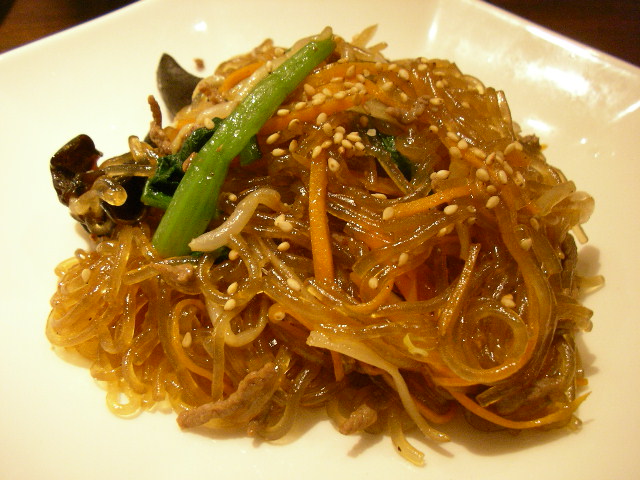
Presentation and etiquette
Banchan are placed in the center of the table so everyone may reach them; bowls of guk or individual soups are treated separately. Formal meal settings historically used naming conventions—3 cheop, 5 cheop, 7 cheop, 9 cheop and 12 cheop—that indicate the number of side dishes provided. Royal table arrangements often featured many more small plates and elaborate preparations. In everyday dining, the number and variety of banchan depend on occasion, regional custom and the formality of the meal.
Common types and examples
- Kimchi — fermented vegetables, most commonly napa cabbage or radish, served in many regional and seasonal varieties; a central element of most tables (kimchi).
- Namul — seasoned vegetable dishes, often blanched or sautéed and dressed with sesame oil, garlic and salt.
- Jeon — pan-fried pancakes or fritters made from vegetables, seafood or meat, served warm or at room temperature.
- Jorim — braised foods such as soy-braised potatoes or fish, simmered in a seasoned stock with ganjang (soy sauce).
- Pickles and quick kimchi — lightly pickled cucumbers, radishes or leafy greens preserved with salt, vinegar or chili.
- Dried and preserved items — small servings of dried fish, kelp or seasoned seaweed used for flavor and texture contrast.
- Condiments and sauces — pastes like gochujang, seasoned sesame oil mixtures and soy-based dipping sauces that accompany other dishes.
Techniques and seasonality
Many banchan rely on preservation methods—fermentation, salting and drying—that historically helped extend produce through winter months. Fermentation, in particular, contributes complex flavors and beneficial microbes, and remains central to staples such as kimchi and certain pickles. At the same time, fresh, blanched and quickly seasoned vegetables emphasize seasonality, so banchan combinations change with available ingredients.
Regional and historical variation
Regional cuisine influences the variety and style of banchan. Some provinces are known for generosity and a wide diversity of side dishes at a single meal; other areas favor spicier, saltier or more preserved items depending on local produce and climate. Korea’s aristocratic and royal culinary traditions developed elaborate multi-dish presentations that influenced common table practices, though everyday homes typically present a simpler set of banchan.
Modern contexts and cultural role
In contemporary Korea, banchan appear in homes, restaurants and buffet-style eateries, with both traditional and modernized variants available. Commercially prepared banchan and small side-dish services help busy households, while restaurants may offer an evolving selection that reflects regional specialties or chef creativity. Banchan also play an important social role: they encourage communal sharing, provide nutritional variety in a single meal, and express cultural values of balance and resourcefulness.
For practical guidance on recipes, preservation safety and ingredient lists, consult dedicated guides to small dishes and Korean food preparation (small dish guides, food references). Further reading on table structure and historical meal customs is available through resources about rice and meal structure, soup traditions, the use of gochujang and ganjang, comparisons of jjigae varieties, and detailed studies of classic kimchi types.
Related articles
Author
AlegsaOnline.com Banchan: Korean shared side dishes and table customs Leandro Alegsa
URL: https://en.alegsaonline.com/art/8662
Sources
- 100.naver.com : "네이버 백과사전"
- kin.naver.com : Hanjeongsik