
Banana squash: description, uses, and cultivation
Banana squash is a winter squash with an elongated yellow shape and sweet, potato-like flesh. Related to butternut squash, it is used in roasting, purees, soups, and long-term storage.
Banana squash is a type of winter squash in the Cucurbita group, grown for its edible flesh and seeds. It is commonly recognized by a long, tubular shape and a smooth, pale to deep yellow rind. Botanically it is a fruit because it develops from the flower and contains seeds, but in kitchens it is treated as a vegetable for savory and sweet preparations.
Image gallery
10 Images

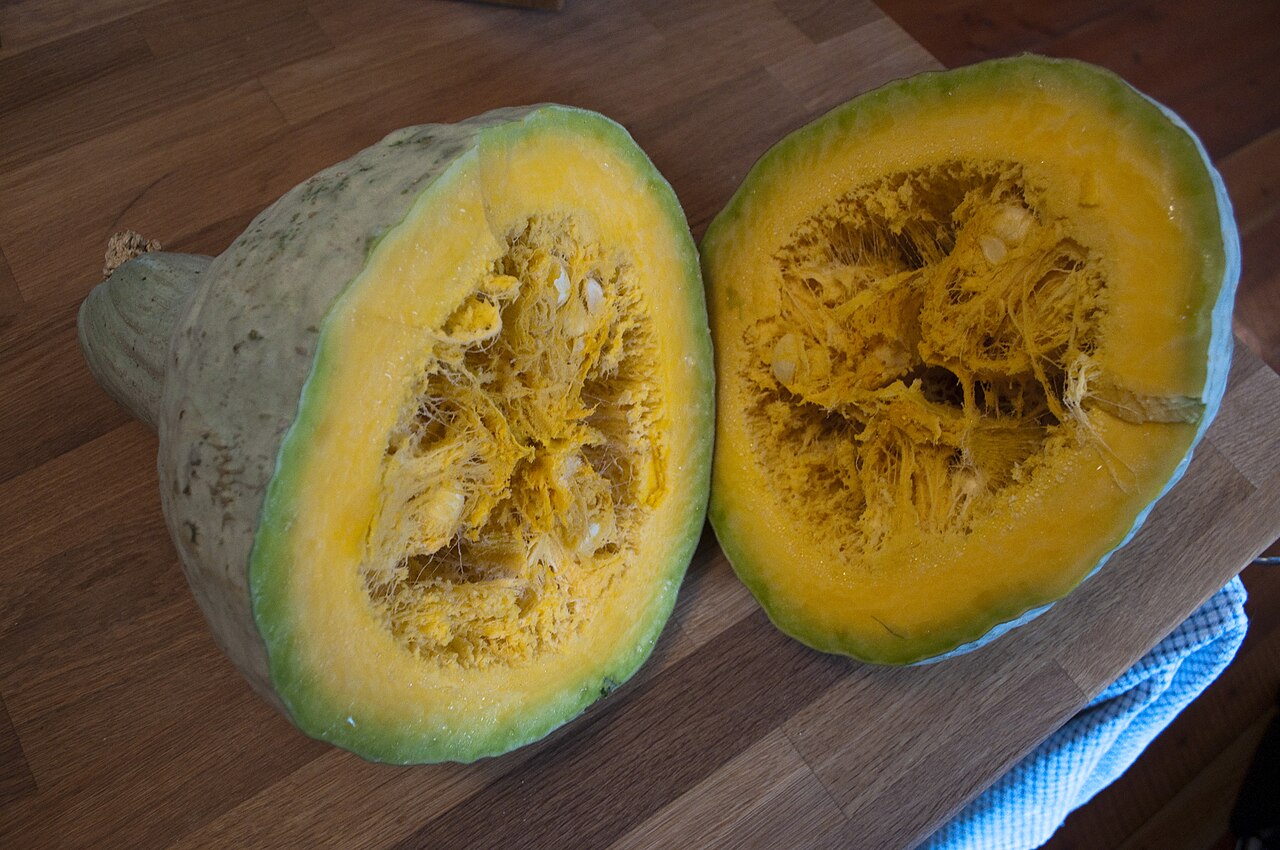


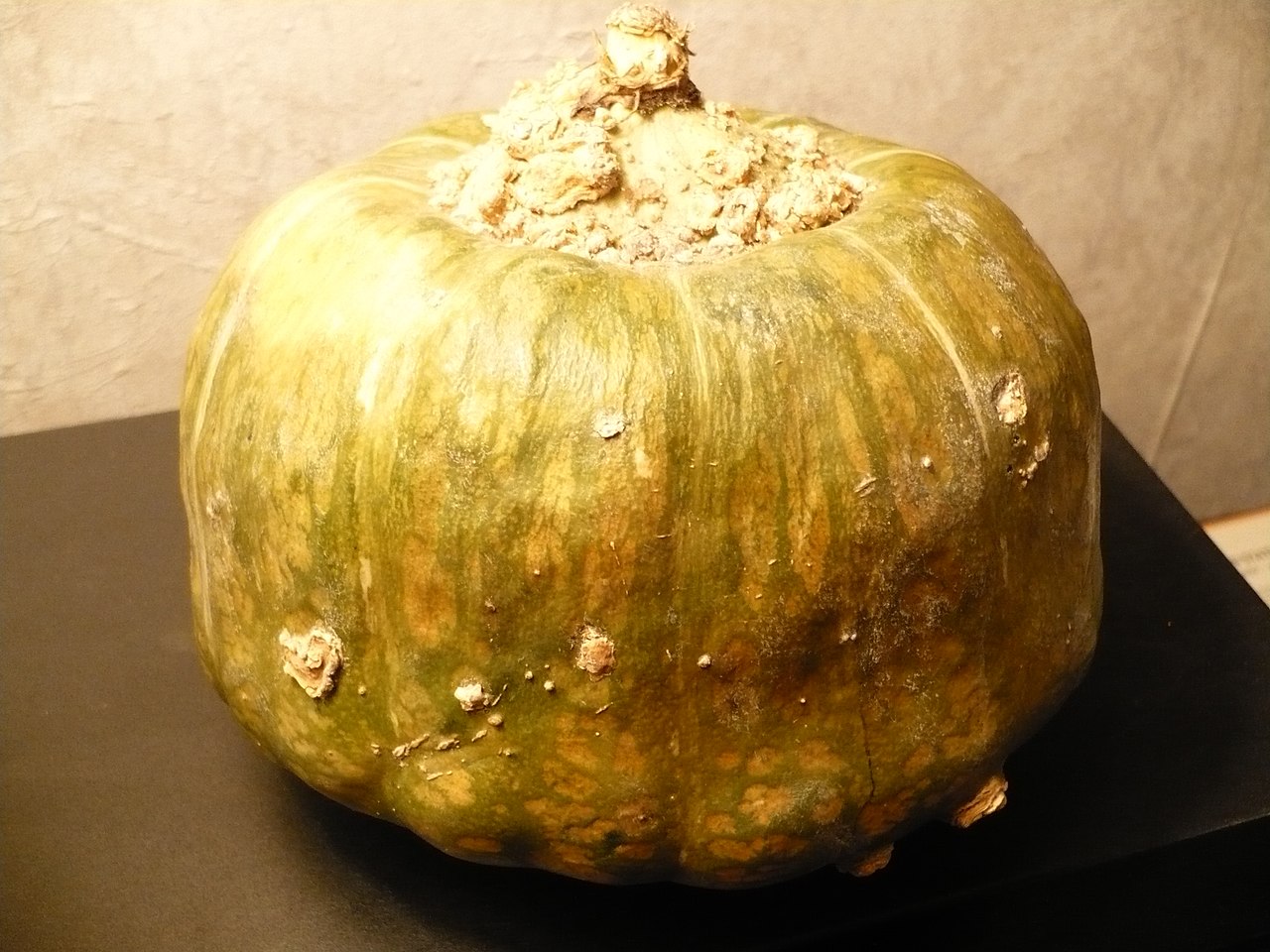


Characteristics
The interior flesh is typically dense and somewhat dry, with a texture often compared to potato or the more familiar butternut squash. Flavor ranges from mildly sweet to nutty, and the central cavity contains flat, edible seeds similar to other winter squashes. Size and shape vary by cultivar: some are long and slender, while others are more bulbous toward one end.
History and classification
Squashes in the Cucurbita family were first domesticated in the Americas thousands of years ago; many modern garden varieties are the result of centuries of selection by growers. Banana squash belongs to the broader group of winter squashes, selected for hard rinds that allow extended storage through colder months. It is closely related to other popular winter types, and plant breeders have produced multiple cultivars with differing colors, sizes, and flavors.
Uses and culinary examples
Banana squash is versatile in the kitchen. Its dense flesh holds up well to roasting, baking, mashing, and pureeing. Typical uses include soups and stews, gratins, stuffed squash, winter salads, and sweet preparations such as pies and casseroles. The seeds can be cleaned, salted, and roasted like pumpkin seeds for a crunchy snack.
Growing and storage
Like other winter squashes, banana squash is grown from warm-season vines that need a long growing period and plenty of sun. Fruits are harvested when the rind hardens and the stem begins to dry. Properly cured and stored in a cool, dry place, well-matured banana squash can keep for several months, making it a useful crop for winter food supplies.
Distinguishing facts and tips
- Botanical fruit vs culinary vegetable: seeds classify it botanically as a fruit, though it functions as a vegetable in recipes.
- Texture and flavor: denser and less watery than summer squashes, with a mild sweetness suited to both savory and sweet dishes.
- Nutrition: provides fiber and carotenoid pigments (provitamin A) typical of orange-fleshed winter squashes, as well as vitamins and minerals.
- Preparation tip: roast larger pieces to concentrate sweetness; mash or puree with spices for soups and pies.
Questions and answers
Q: What is banana squash?
A: Banana squash is an edible squash or gourd in the Cucurbita family, developed from butternut squash, a type of winter squash.
Q: Why is banana squash called banana squash?
A: Banana squash is called banana squash because of its elongated shape and yellow color.
Q: What texture does banana squash have?
A: Banana squash has a potato-like texture.
Q: Does banana squash have seeds?
A: Like butternut squash, banana squash has seeds in the middle.
Q: Is banana squash considered a fruit?
A: Yes, banana squash is considered a fruit because it has seeds.
Q: Does banana squash have a sweet or savory taste?
A: Banana squash has a mild flesh, which can be either sweet or savory.
Q: Is banana squash edible?
A: Yes, banana squash is edible.
Related articles
Author
AlegsaOnline.com Banana squash: description, uses, and cultivation Leandro Alegsa
URL: https://en.alegsaonline.com/art/8652
Sources
- whatscookingamerica.net : Squash varieties from What's Cooking, America (website)