
Banana bread: origins, ingredients, variations and baking tips
Banana bread is a sweet quick bread made with mashed bananas. This article covers typical ingredients, common variations, historical background, basic preparation, serving ideas and important distinctions.
Overview
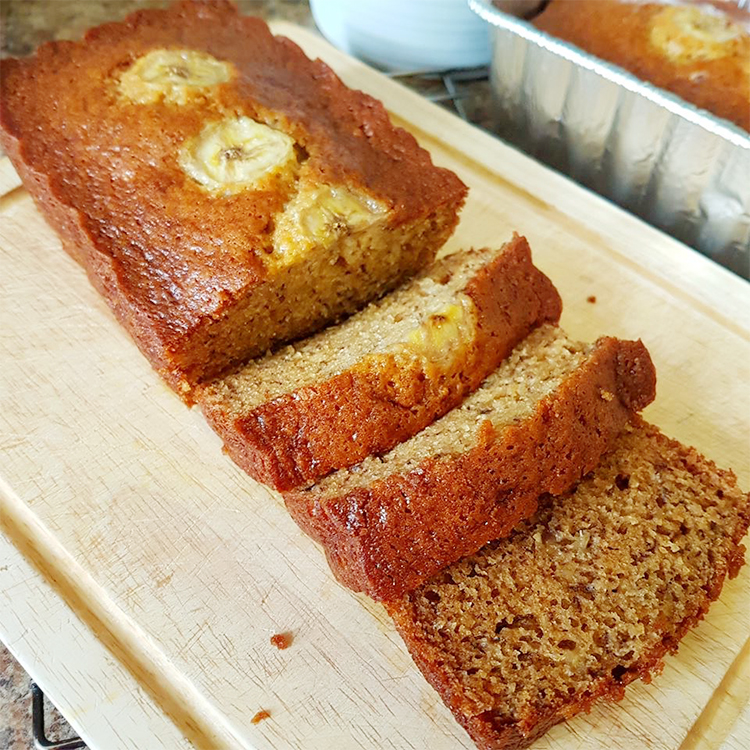
Banana bread is a moist, sweet loaf usually prepared as a sweet quick bread. Unlike yeast breads, it relies on chemical leaveners and a dense, cake-like batter. The primary flavour comes from ripe, mashed bananas; additional aromatics and mix-ins—such as nuts or chocolate—are often added for texture and variety.
Image gallery
8 Images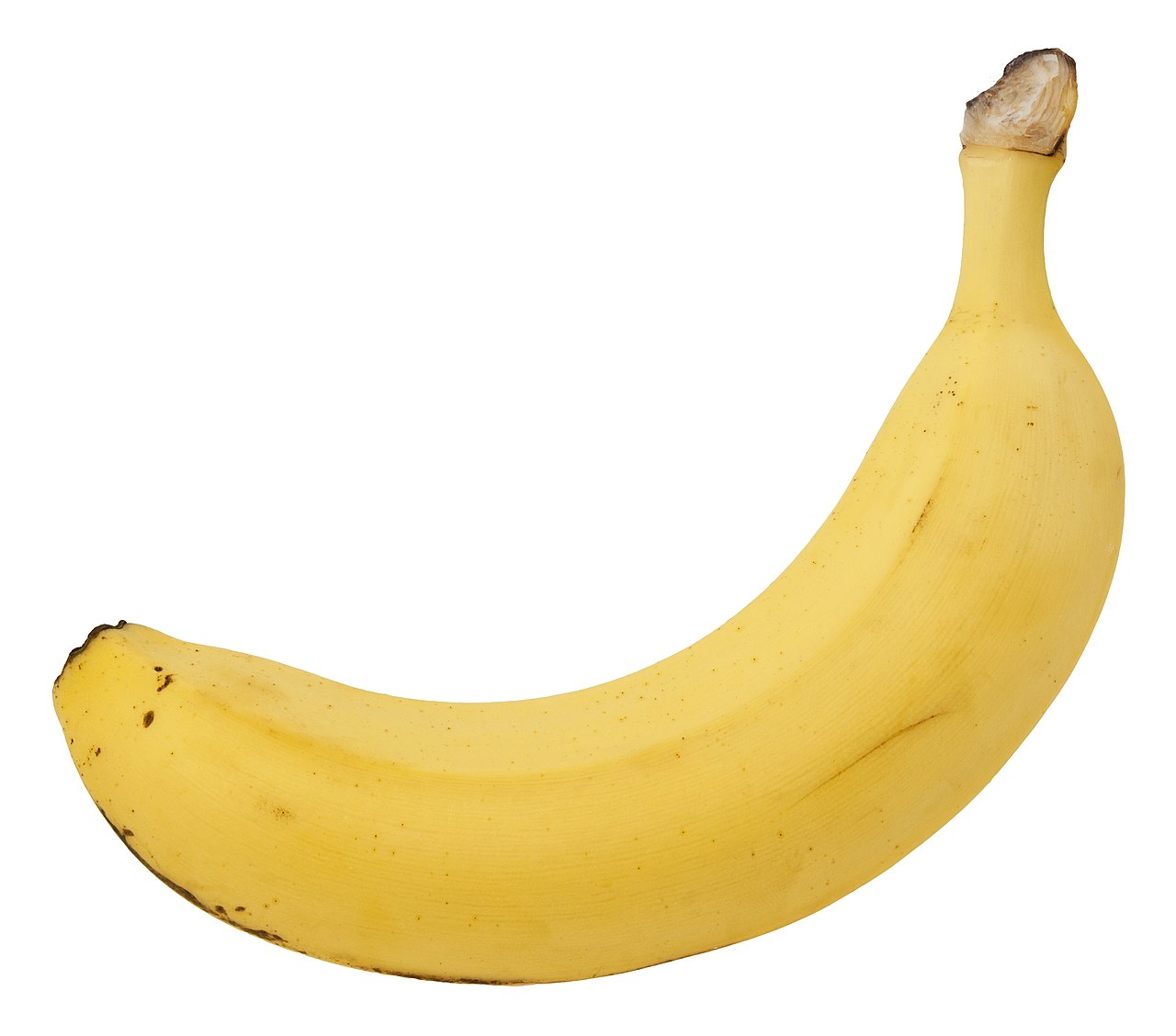


Ingredients and common variations
Core ingredients typically include mashed bananas, flour, sugar, eggs, fat (butter or oil) and a leavening agent such as baking powder or baking soda. Typical flavourings include ground cinnamon and vanilla. Bakers frequently fold in toasted nuts such as walnuts or pecans, and other popular options are toasted nuts or chocolate chips. Variations adapt the base for dietary needs—reducing sugar, using whole-grain flours, or replacing dairy with plant-based ingredients—and for flavor by adding spices, citrus zest, or dried fruit.
History and development
Recipes for banana-based quick breads appeared in home-cooking collections in the early 20th century and gained broad popularity in the United States during the 1930s as home baking and convenience ingredients became more common. Ripe bananas, once considered too soft or overripe for fresh eating, became prized for their sweetness and moisture in loaf recipes. The spread of reliable chemical leaveners and modern ovens helped establish banana bread as a staple of home baking.
Typical preparation
Banana bread is usually assembled by combining dry and wet ingredients separately before folding them together to avoid overworking the batter. A simple sequence is:
- Mash ripe bananas until smooth or slightly chunky (mashed bananas).
- Whisk together dry ingredients including flour and leavening.
- Mix wet ingredients—eggs, sugar, fat—and stir in the bananas.
- Fold wet and dry components, add mix-ins, and bake in a loaf pan until a skewer comes out clean.
Small adjustments in oven temperature, loaf size, and ingredient ratios change crumb, crust, and sweetness. For denser, moister results keep banana proportion high; for lighter loaves reduce banana or add an extra egg.
Serving, uses and examples
Banana bread is commonly sliced and served at breakfast, as a snack, or with coffee. It can be enjoyed plain, spread with butter or cream cheese, or toasted. Many home bakers and cafés present it as a versatile item that showcases seasonal or leftover ripe fruit—transforming otherwise wasted bananas into an accessible baked good.
Notable distinctions
Although often called a "bread," banana bread belongs to the family of quick breads because it does not depend on yeast fermentation to rise. Its texture sits between cake and traditional bread, and it is an example of how ingredient substitution and simple techniques produce varied results. The loaf’s flexibility and forgiving method make it a frequent first recipe for novice bakers.
For further background or recipes consult general baking guides or ingredient references such as those linked here: origin notes, regional variations, and practical how-to sources on sweet quick breads.
Related articles
Author
AlegsaOnline.com Banana bread: origins, ingredients, variations and baking tips Leandro Alegsa
URL: https://en.alegsaonline.com/art/8649
Sources
- commons.wikimedia.org : Banana bread
- en.wikibooks.org : Cookbook
- en.wikibooks.org : Banana bread
- joyofbaking.com : "Banana Bread Recipe With Picture - Joyofbaking.com *Tested Recipe*"