
Romanticism: an overview of the late 18th–19th century movement
Romanticism was a broad cultural movement that emphasized emotion, imagination, nature, and individual expression across art, literature, and music in the late 18th and early 19th centuries.
Romanticism refers to an international movement in the arts and intellectual life that emerged in the late 18th century and flourished through the early 19th century. It offered a counterpoint to the rationalism and order associated with the Enlightenment and responded to social change brought by the Industrial Revolution. Romantic thinkers and creators valued feeling, imagination, the natural world, individual freedom, and historical or folk traditions.
Image gallery
10 Images



Core characteristics
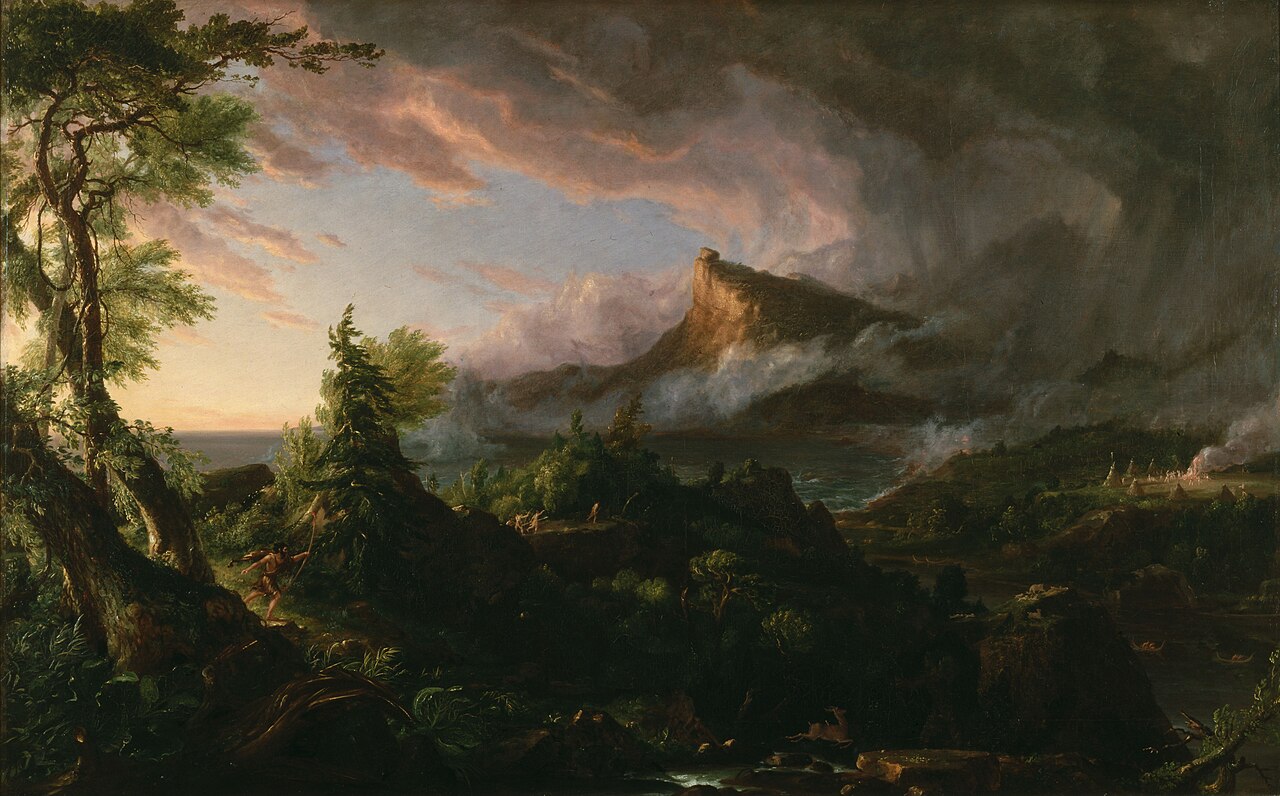
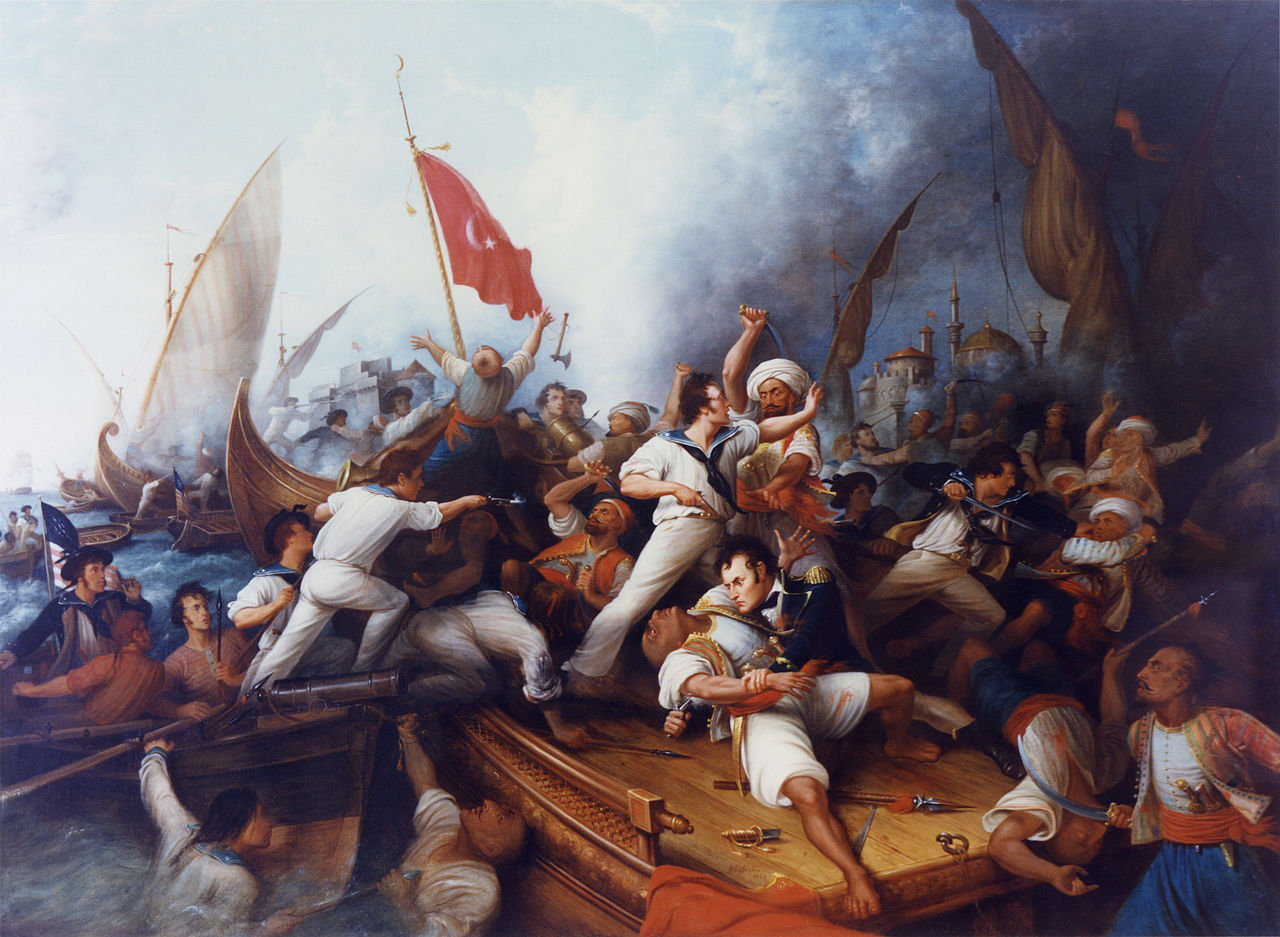
Romantic works tend to emphasize intense emotion, a sense of awe before nature, and the primacy of individual perception over universal rules. Common themes include the sublime (experiences of overwhelming beauty or terror), nostalgia for the past, celebration of the creative imagination, and interest in local legends and vernacular culture. Formally, Romantic artists often experimented with expressive techniques to convey mood rather than adherence to strict classical conventions.
Artistic fields and features
The movement affected several cultural spheres simultaneously. In visual arts, painters favored dramatic landscapes and scenes charged with feeling. In literature, poets and novelists explored subjectivity, childhood, and the uncanny. In music, composers expanded harmonic language and used orchestral color to evoke emotion. Beyond the arts, Romantic ideas influenced approaches to history, education, and the natural sciences by promoting interpretive, narrative, or holistic perspectives.
Origins and historical context
Romanticism grew out of multiple causes rather than a single event. It was partly a reaction against Enlightenment emphasis on reason and the perceived commodification of life during industrialization. It also drew inspiration from nationalist currents and renewed interest in folk cultures, ancient ballads, and medieval history. The movement took distinct local forms across Europe and later influenced other regions.
Importance and legacy
Romanticism reshaped artistic priorities and helped legitimize subjective expression as a valid source of truth. It contributed to the modern idea of the artist as an independent creator and influenced political and cultural movements, including early nationalism and educational reforms. Its aesthetic vocabulary—terms like the sublime, the picturesque, and the tragic hero—remain in use when describing art and literature.
Notable features, distinctions and examples
- Emphasis on emotion and imagination rather than strict formal rules.
- Focus on nature as living, spiritual, or morally instructive rather than purely mechanistic.
- Revival and collection of folk traditions, ballads, and fairy tales as sources of cultural identity.
- Cross-disciplinary presence: literature, painting, music, historiography, and natural history.
Further reading and resources
- Romanticism in art
- Romanticism and literature
- Romanticism in music
- Imagination and the Romantic ideal
- Folk traditions and nationalism
- Fairy tales and Romantic collecting
- Aristocratic society and Romantic reaction
- Enlightenment influences and responses
- Industrial Revolution and cultural change
- Nature, science, and Romantic critique
- Romanticism and historiography
- Romantic approaches to natural history
Questions and answers
Q: What is Romanticism or the Romantic movement?
A: Romanticism or Romantic movement is a movement, or style of art, literature, and music in the late 18th and early 19th century in Europe that valued feelings, imagination, nature, human life, freedom of expression, individualism, and old folk traditions.
Q: What did the Romantic movement consider as important?
A: The Romantic movement considered feelings, imagination, nature, human life, freedom of expression, individualism, and old folk traditions, such as legends and fairy tales, as important.
Q: What was the Romantic movement's reaction to the Age of Enlightenment and the Industrial Revolution?
A: The Romantic movement was a reaction to the aristocratic social and political ideas of the Age of Enlightenment and the Industrial Revolution.
Q: What was the Romantic movement's reaction against?
A: The Romantic movement was a reaction against turning nature into a mere science.
Q: In which fields did the Romantic movement show most strongly?
A: The Romantic movement showed most strongly in arts like music and literature.
Q: Did the Romantic movement have an influence on fields other than arts?
A: Yes, the Romantic movement also had an important influence on historiography, education, and natural history.
Q: What time period did the Romantic movement cover?
A: The Romantic movement covered the late 18th and early 19th century in Europe.
Related articles
Author
AlegsaOnline.com Romanticism: an overview of the late 18th–19th century movement Leandro Alegsa
URL: https://en.alegsaonline.com/art/83916
Sources
- britannica.com : "Romanticism -- Britannica Online Encyclopedia"
- ww2.jhu.edu : "Grecian grandeurs and the rude wasting of old time: Britain, the Elgin Marbles, and post-revolutionary Hellenism"