
Rose (color)
Rose is a vivid hue between red and magenta, named after the rose flower; used in art, fashion, and design and distinguished from pink, magenta, and crimson.
Rose is a color that sits between red and magenta on the conventional color wheel. The name comes from the typical color of a rose flower, and the word has been used in English since the medieval period. The earliest recorded English use of "rose" as a color name dates back to 1382, reflecting long-standing cultural attention to floral hues and their symbolic meanings.
Image gallery
8 Images

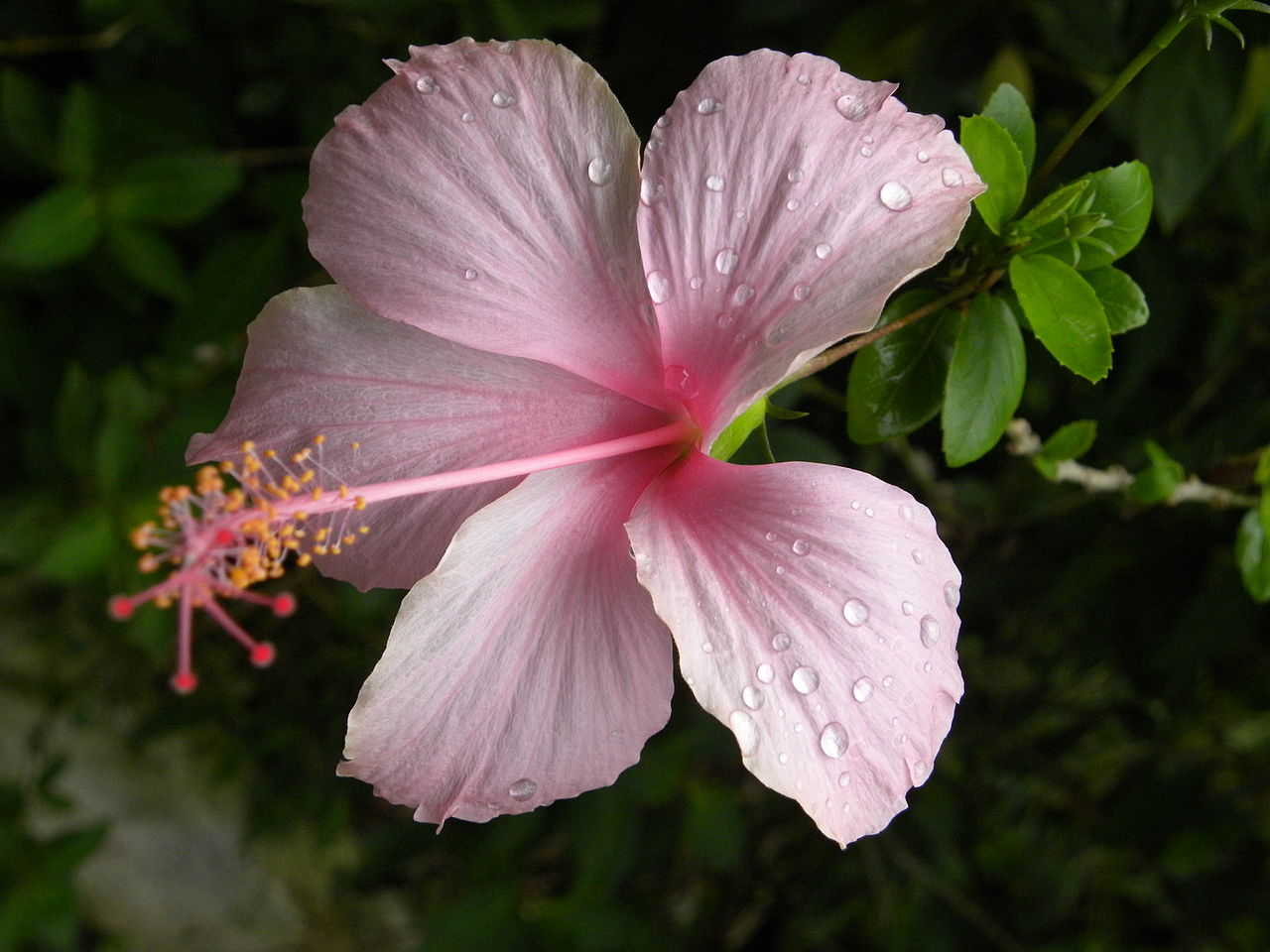




Characteristics
Visually, rose is generally perceived as a saturated, warm hue with a clear red base and a slight shift toward purple that distinguishes it from purer reds. It is not the same as pastel pink, which is a tint produced by adding white, nor is it identical to magenta, which leans more toward purple. In practice, "rose" covers a range of tones from light, delicate variants to deeper, more intense shades used in pigments and textiles.
Variations and distinctions
- Rose pink: lighter, softer, often associated with youth and romance.
- Deep rose: richer and closer to red, used in formal dress and branding.
- Rose vs. magenta: magenta tends to be purpler and more saturated; rose retains stronger red characteristics.
- Rose vs. pink: pinks are paler tints; rose generally implies a more vivid or pure color.
History, cultural meaning, and uses
The term has floral origins and has appeared in literature, textiles, and heraldry for centuries. Rose tones are commonly used to convey affection, beauty, and femininity, and they figure prominently in fashion, cosmetics, interior design, and graphic art. Dyers, painters, and manufacturers create rose shades with combinations of red and purple pigments or by mixing red with small amounts of blue and varying white to adjust lightness.
Practical notes
Designers select specific rose hues to achieve particular emotional or visual effects—softer rose shades can suggest tenderness, while vivid rose can be energetic and modern. When comparing colors, it is helpful to view them alongside red and magenta on a color wheel or to consult textile and paint samples. For botanical reference and the diversity behind the name, see examples of actual floral varieties and cultivated roses.
For linguistic and historical context about the term's use in English, many dictionaries and historical sources document its emergence in the late Middle Ages and its continuing role in color naming and description.
Questions and answers
Q: What is rose color?
A: Rose color is the color halfway between red and magenta on the color wheel and represents the color of the rose flower.
Q: When was the first time rose was recorded as a color name in English?
A: The first recorded use of rose as a color name in English was in 1382.
Q: What two colors is rose color located between on the color wheel?
A: Rose color is located halfway between red and magenta on the color wheel.
Q: Does rose color represent any plant, and if so, which plant?
A: Yes, rose color represents the color of the rose flower.
Q: Is rose color a recent discovery?
A: No, rose color has been recorded as a color name since 1382.
Q: What is the origin of the name "rose" for the color?
A: The name "rose" for the color likely comes from the flower it represents.
Q: What is the significance of understanding the color "rose"?
A: Understanding the color "rose" can be important for artists, designers, and anyone who works with colors or visual media.
Related articles
Author
AlegsaOnline.com Rose (color) Leandro Alegsa
URL: https://en.alegsaonline.com/art/84140
Sources
- politicsdaily.com : United States First Lady Michelle Obama wearing a French rose colored dress: