
Roy Lichtenstein: Pop Art, Technique, and Legacy
Overview of Roy Lichtenstein (1923–1997), American pop artist known for comic-book imagery, Benday-dot technique, major works, debates over appropriation, and enduring influence on 20th-century visual culture.
Roy Lichtenstein (1923–1997) was an American artist whose bold, graphic paintings made him a central figure of the pop art movement. Working in painting, printmaking and sculpture, he reinterpreted imagery from comic strips, commercial printing and mass media into large-scale works that emphasized clear line, flat color and the mechanical look of commercial reproduction. For succinct background and curated biographical material see biographical resources.
Image gallery
8 Images



Early life and education
Lichtenstein was born and raised in New York City, and his early surroundings exposed him to the visual language of advertising and popular print. He served in the United States Army during World War II, and afterwards completed formal art studies, including coursework at institutions such as Ohio State University. He later held teaching posts at a number of colleges and universities, where he combined classroom responsibilities with studio work; examples of those appointments are listed in institutional records and faculty summaries here and in other educational overviews elsewhere. His New York background helped shape an enduring interest in urban popular culture and mass media in the city.
Artistic style and technique
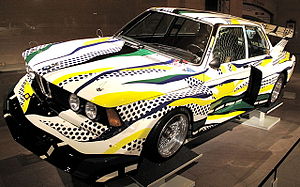
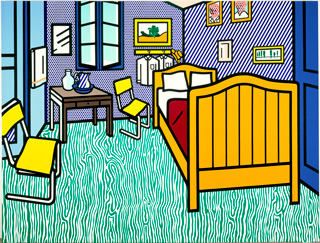
Lichtenstein is widely associated with a painted simulation of halftone printing, commonly referred to as Benday dots. He adopted the visual effect of mechanical printing and translated it into hand-painted compositions: flat areas of intense color, crisp black outlines, and a dotted surface that evokes commercial reproduction. His paintings often focus on single moments or cropped scenes drawn from comic panels, advertisements and pulp illustrations, isolating dramatic gestures, facial expressions or action sequences. He worked in multiple media and occasionally used stencils, prints and sculptural forms to extend his pictorial vocabulary. For discussions of his relationship to popular imagery and visual culture see materials on popular culture and collections devoted to comic and advertising sources.
Major works and themes
- Look Mickey — an early painting that signaled his move toward comic-inspired imagery and playful appropriation of cartoon figures.
- Whaam! — a large diptych that transforms a comic-book aerial combat scene into monumental painting.
- Drowning Girl — an example of his treatment of melodramatic, cropped female figures and dialogue captioning.
- Series such as Brushstrokes and his later sculptural works — examinations of painted gesture, mechanical means and the rhetoric of the painted mark.
These works were widely exhibited in museums and galleries and contributed to debates about originality, reproduction and the status of commercial imagery in fine art. Scholarly and curatorial resources further contextualize these pieces and related series on institutional pages and art-historical overviews here.
Controversies and appropriation
Lichtenstein's practice of adapting panels and motifs from mass-printed sources generated discussion and sometimes legal and critical challenges. Critics have debated whether his paintings are acts of homage, examples of appropriation that transform original material into a new pictorial language, or, in some instances, near copies that raise questions of credit and compensation. These conversations helped shape later thinking about authorship and the artistic use of found imagery, and they remain part of how his work is taught and evaluated in museum catalogs and critical essays on these themes.
Exhibitions, collections and reception
Lichtenstein's work appears in major public and private collections and continues to be the subject of retrospective exhibitions and scholarly analysis. Curators and critics have emphasized both his formal innovations — the way he made the visible language of mass culture into a subject of painting — and the broader cultural implications of his methods. Further information about exhibition histories and holdings can be found through museum guides and exhibition essays documenting his later life and legacy.
Personal life and later years
Throughout his career Lichtenstein maintained friendships and professional associations with other artists of the period, including figures associated with the pop art circle such as Andy Warhol. In addition to painting he produced prints and sculptural work that explored similar formal concerns. His interest in the relationship between mass reproduction and artistic authorship continued to inform his output in later decades.
Death and legacy
Lichtenstein died in 1997 of complications from pneumonia. His paintings and prints remain widely exhibited and reproduced, and his visual strategies have had a lasting impact on contemporary art, graphic design and popular culture. For introductory and advanced reading about his oeuvre, technique and cultural context consult curated archives and specialist bibliographies documenting his work and educational summaries about the era. Additional resources on his relationship to commercial imagery and the visual languages he drew from are available through image studies and popular culture collections on advertising and comics as well as academic discussions of mid-20th-century American art and mass culture.
For museum listings, teaching resources and archival materials see institutional pages and catalog entries related to his academic affiliations and service during his early adult life in the armed forces. Curated timelines and retrospective essays provide further perspective on how his work helped shape conversations about the intersection of high and low visual forms rooted in urban experience and how those conversations continue to evolve in contemporary criticism and scholarship.
Related articles
Author
AlegsaOnline.com Roy Lichtenstein: Pop Art, Technique, and Legacy Leandro Alegsa
URL: https://en.alegsaonline.com/art/84413
Sources
- getty.edu : "Roy Lichtenstein (Getty Museum)"
- jewishvirtuallibrary.org : "Roy Lichtenstein"
- nga.gov : "Inside Scoop: Roy Lichtenstein"