
Bait (attractants used in fishing, hunting and trapping)
Bait: substances or devices used to attract animals for capture, study, or deterrence. Covers natural and artificial types, presentation methods, history, examples, and legal/ethical considerations.
Bait is any substance, item or device intended to attract animals so they can be captured, observed or deterred. It is used across fishing, hunting, trapping, wildlife management, pest control and research. Bait ranges from natural food items—worms, small fish or seeds—to artificial lures made of plastic, metal or electronic components. In many contexts the goal is selectivity: attract the target species while reducing unintended catches (bycatch) and disturbance.
Image gallery
3 Images
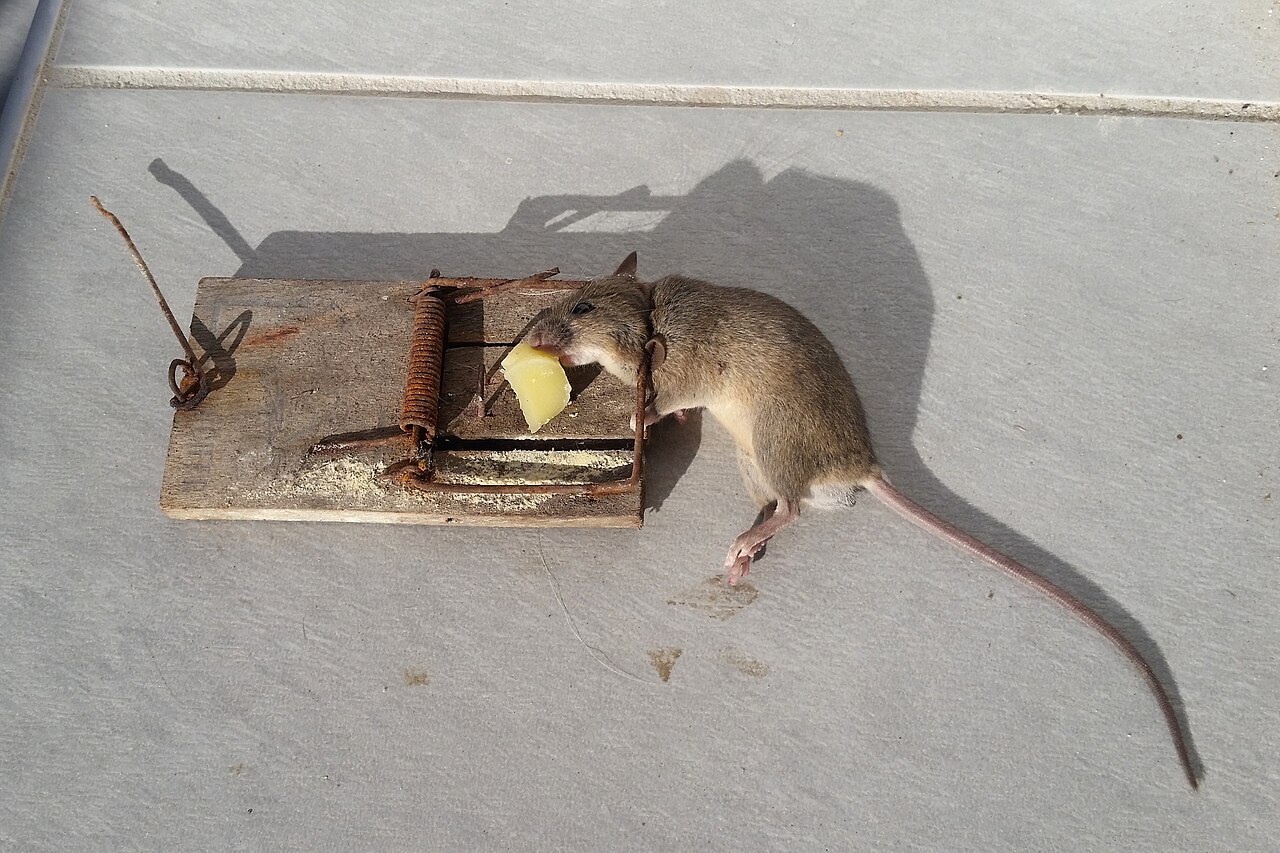

Common types and how they work
- Live bait — organisms such as worms, minnows or insects offered alive to stimulate a predator’s natural feeding response. Anglers often use fishermen techniques that keep live bait lively on a hook.
- Cut or fresh bait — pieces of fish or crustacean flesh used for scent and visual attraction; widely used for larger predators such as shark fishing where adult squid may be chosen for scent and durability.
- Artificial lures — plastic bodies, spinners, jigs or flies that imitate prey movement; examples include soft plastic bait and metal spoons.
- Scent and chemical baits — oils, pheromones or food scents used to make stationary traps more attractive.
- Electronic and mechanical lures — battery-powered devices that produce light, sound or motion; modern anglers sometimes use electronic lures to mimic struggling prey.
Presentation and gear
How bait is presented affects success. Anglers may cast bait from shore or a boat using a fishing rod and reel, troll it behind a moving vessel, or anchor and free-line live baits. Trappers use bait stations, scent trails or baited cages. Bait can be stationary, suspended at depth, drifted, or retrieved with actions designed to imitate injured prey.
History and development
People have used bait for millennia: archaeological evidence and ethnographic records show early fishers and hunters selecting foods or lures to attract prey. Angling traditions evolved specialized baits and artificial flies; industrial fishing introduced baiting techniques for longlines and pots. Recent decades brought engineered materials and electronic attractants, but the basic idea—using something appealing to an animal’s senses—remains unchanged.
Uses, examples and notable distinctions
Bait is central to subsistence and sport fishing (for example anglers chasing fish such as salmon sometimes use items like crab in coastal fisheries), pest control, wildlife surveys and veterinary research. Distinctions often drawn are bait (passive attractant) versus lure (active imitation of prey), and natural versus artificial. Choice depends on target species’ diet, habitat and legal restrictions.
Regulation, ethics and conservation
Many jurisdictions regulate types of bait and baiting methods to prevent spread of disease, avoid overharvesting live bait species, and limit bycatch or harm to non-target wildlife. Ethical anglers aim to minimize suffering, follow catch-and-release best practices, and use selective baits to reduce ecological impact. When in doubt about local rules, consult authorities or angling organizations linked through resources such as fishermen guides and conservation agencies.
For further reading on techniques and local regulations, see practical guides and regional authorities: basic gear and methods appear in many angling manuals, while specialized topics—bait chemistry, wildlife management and electronic attractants—are treated in fisheries science and pest-control literature.
Related articles
Author
AlegsaOnline.com Bait (attractants used in fishing, hunting and trapping) Leandro Alegsa
URL: https://en.alegsaonline.com/art/8376