
Fishing rod: design, types, history, and practical use
Comprehensive overview of the fishing rod: parts, materials, major types, history, selection, maintenance, safety and environmental considerations for recreational and small-scale fishing.
Overview
A fishing rod is a long, often flexible pole used to present a line, hook and bait or lure to fish. Rods allow an angler to cast a hook or lure at a distance, detect bites through vibration and sound, and apply leverage to land a fish. They are the central tool of recreational angling and small-scale subsistence fishing, as distinct from large-scale commercial methods.
Image gallery
9 Images




Components and materials
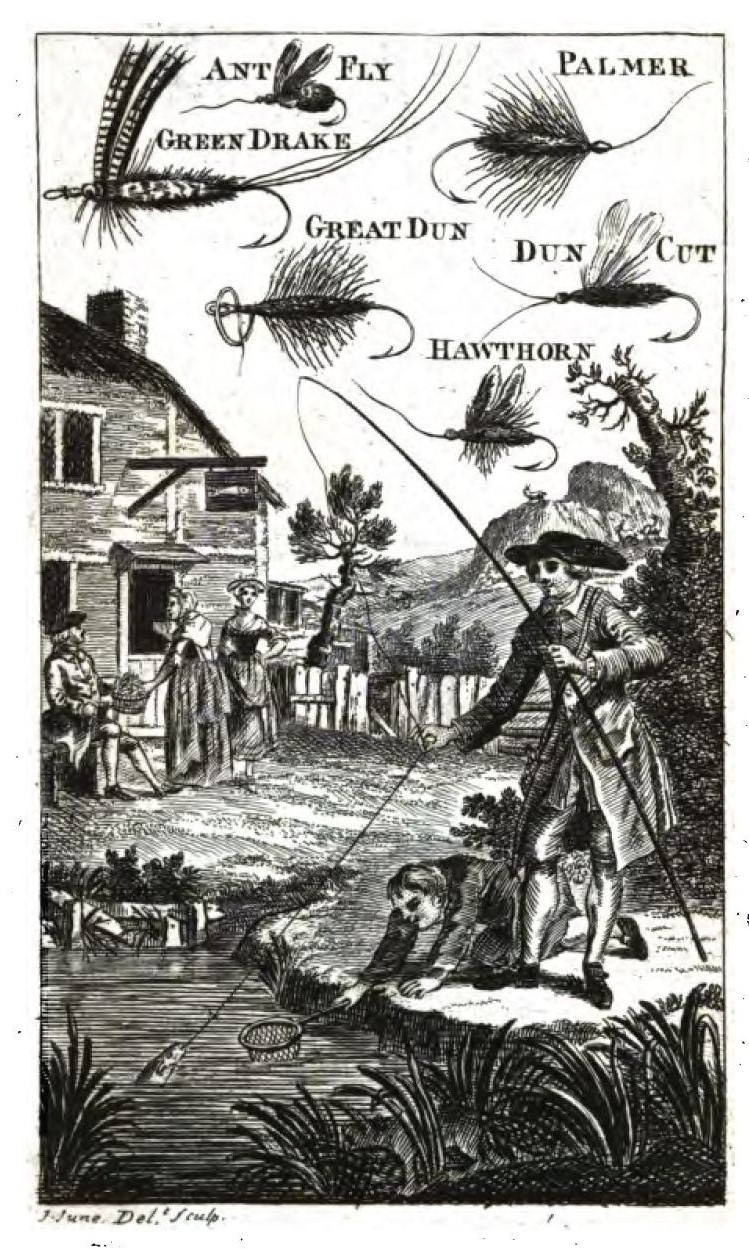
Key parts include the blank (the main shaft), handle or butt, reel seat, guides that run the line down the blank, and the tip. Blanks are made from materials such as bamboo, fiberglass, graphite or composite carbon fibers; each offers different balances of weight, strength and sensitivity. Rod characteristics described by manufacturers include power (strength), action (where the rod bends) and length, which together determine appropriate line, reel and lure choices. Hooks and bait—natural bait or artificial lures—are mounted on the line and are chosen to match species and technique; the hook itself is a small metal implement hook that secures the catch.
Types and common uses
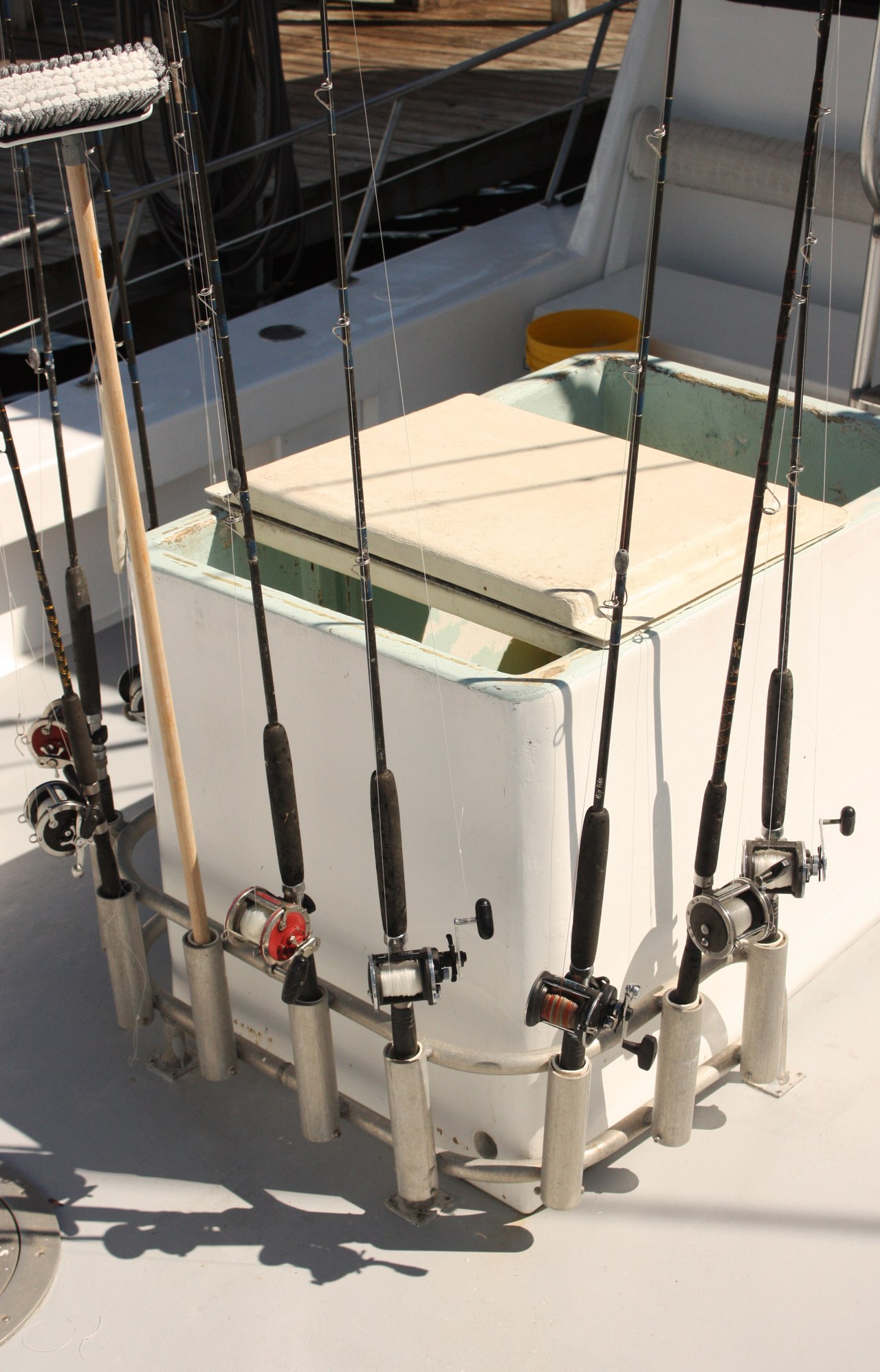
Rods are designed for specific methods: spinning rods for general shore and boat use, baitcasting rods for heavier control, fly rods for presenting light artificial flies, surf rods for long-distance casting, ice rods for use through ice, trolling rods for lines pulled behind a moving boat, telescopic and Tenkara rods for portability and simplicity. Choice of rod influences the effective baits and hooks and the angler's technique.
History and development
People have used poles and lines to catch fish for millennia. Traditional rods were made from wood and bamboo; the 19th and 20th centuries saw significant change with split-cane fly rods and later synthetic materials such as fiberglass and graphite that reduced weight and increased sensitivity. These developments paralleled the growth of competitive sport angling and recreational fishing as leisure activities.
Selection, care and environmental notes
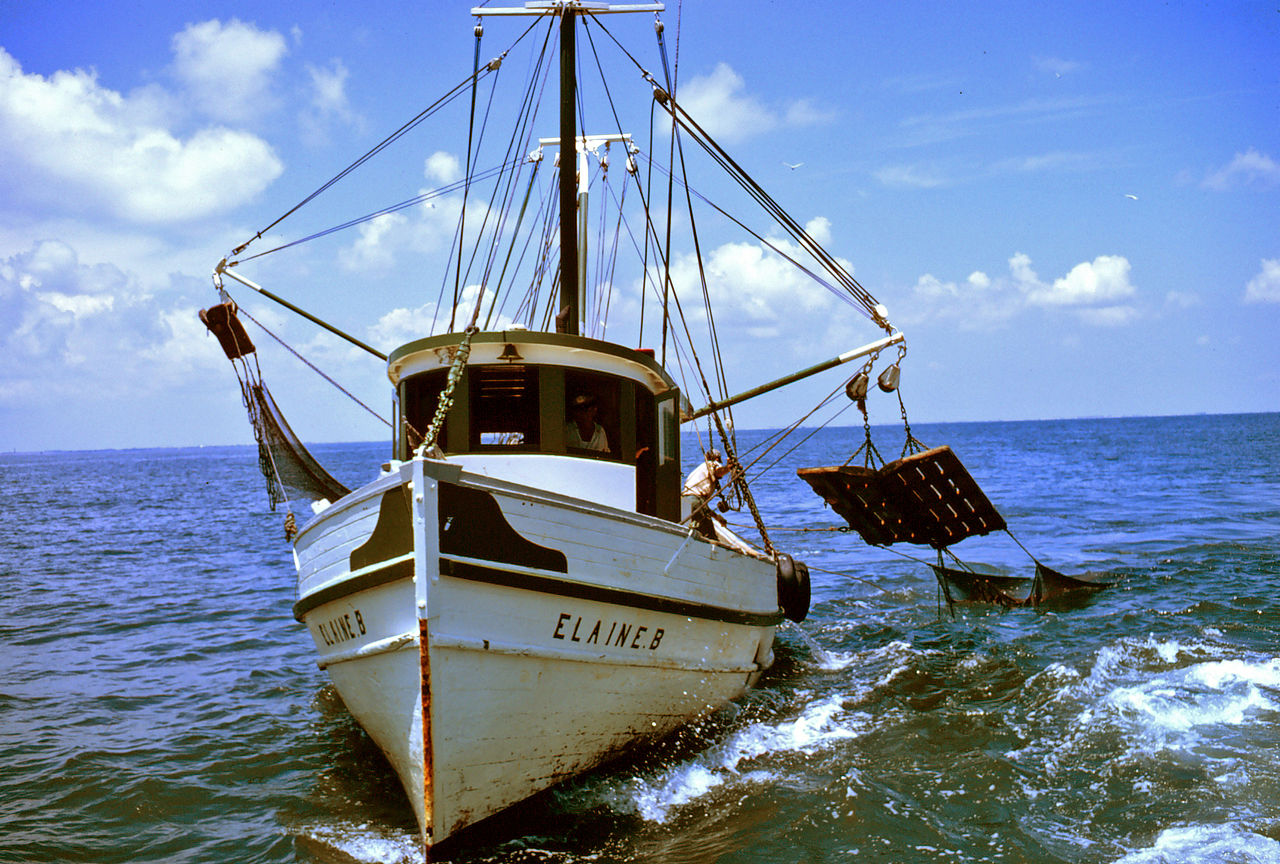
Select a rod by matching length, power and action to the target species, fishing location and preferred technique. Match the rod to an appropriate reel and line to avoid poor casting and breakages. Routine maintenance—rinsing saltwater residue, inspecting and replacing worn guides and tips, lubricating reel seats, and storing rods supported and out of direct sunlight—extends service life. Responsible anglers follow local regulations, practice safe handling of hooks and gear, and favour catch-and-release methods where conservation is a concern. Large-scale commercial fisheries commonly use other gear such as purse seines and trawl nets, so distinguishing recreational rod use from commercial methods helps clarify management and conservation responsibilities.
Further reading
Introductions and how-to guides often explain casting, knot-tying, lure selection and species-specific techniques; manufacturers and angling organizations provide specifications and safety advice. For practical demonstrations of casting styles and tackle setup see resources linked by many angling clubs and retailers (general equipment) and manufacturer pages (casting and technique). Product care instructions are commonly found with warranty and maintenance documents (bait and lure care), and conservation guidance from fisheries authorities (angling ethics) can inform best practices. For distinctions between recreational and industrial practices consult sources on commercial fishing methods and the role of fishing resource management in sustaining populations.
Related articles
Author
AlegsaOnline.com Fishing rod: design, types, history, and practical use Leandro Alegsa
URL: https://en.alegsaonline.com/art/34645