
Casting (fishing): techniques, equipment, history and uses
Casting is the act of projecting bait or a lure with a rod, reel and line to place it where fish are. This article explains equipment, common techniques, history, applications, and distinctions.
Casting in angling is the deliberate act of propelling a bait or artificial lure into the water so it reaches a desired location. Anglers cast to cover water, present a bait to feeding fish, or place a lure at a precise depth or structure. Although the basic goal—getting the hook and offering to fish—remains the same, methods and gear have evolved into many styles suited to different species, waters and tactics.
Image gallery
10 Images


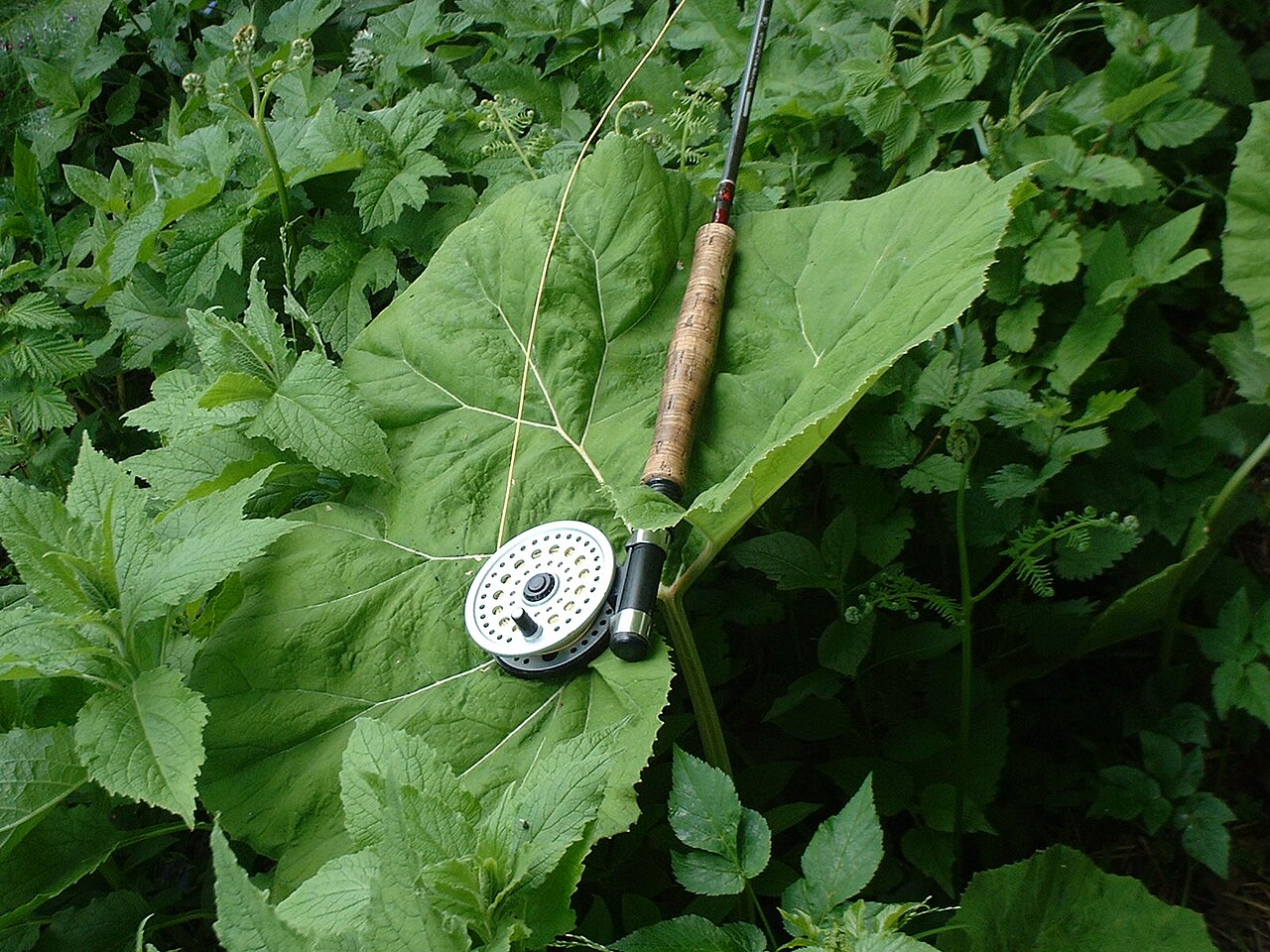


Equipment and main parts
Successful casting depends on three core components: the rod, the reel and the line. Different words and tools are often linked with these parts: fishing rod describes the shaft that stores and launches energy; reel is the device that holds and manages the line; and line transfers momentum and connects the angler to the lure. The object being cast may be natural bait, such as worms or cut bait, referenced here as bait, or manufactured baits like spinners and plugs, commonly called a lure. The term fishing is used broadly for the sport and practice that includes casting techniques.
Common casting techniques
There are many styles of cast, each balancing distance, accuracy and stealth. Overhead and sidearm casts are straightforward and widely taught; roll casts are useful from tight banks; pitch and flip casts allow short, accurate placements into cover; and two-handed or long-distance casts focus on reaching distant structure. Accuracy techniques stress timing of the release, rod tip angle and a stable stance. Line control—managing slack, tension and backing off the spool—affects lure action and hookset success.
History and development
Simple casting is ancient and predates modern reels: early anglers used handlines or primitive rods. The invention of rotating and multiplying reels in the 18th–19th centuries transformed casting range and control. During the 20th century, specialized reels (spinning, baitcasting, and centerpin) and lighter synthetic lines greatly expanded what anglers could present and how far they could cast. Fly casting developed as a distinct system emphasizing presentation over distance, using a weighted line rather than casting weight in the lure.
Applications, tips and notable distinctions
Casting is used in freshwater and saltwater, from shore and from boats. Choice of technique depends on target species, habitat and legal constraints. Common advice includes matching rod and reel to lure weight, practicing safe releases of the line to avoid backlash on baitcasting reels, and learning to vary retrieves to trigger strikes. Casting differs from related angling methods such as trolling (moving the boat while presenting lures) and jigging (vertical motion). Casting contests and demonstrations also exist where distance, accuracy and consistency are judged.
Understanding the mechanics of rod flex, line stretch and lure vibration helps anglers adapt. For beginners, simple equipment and short, accurate casts build confidence; knowledgeable anglers then refine timing and gear to suit their preferred water and quarry.
Questions and answers
Q: What is casting in fishing?
A: Casting in fishing is the act of throwing bait or a lure using a fishing rod, reel, and line.
Q: What types of equipment are used for casting in fishing?
A: Several types of rod and reels are designed just for casting.
Q: What is the objective of casting in fishing?
A: The object of casting in fishing is to get the bait or lure to where the fish are.
Q: Can the method of casting vary for fishing?
A: Yes, the method of casting can vary for fishing.
Q: What does the casting method involve in fishing?
A: The casting method in fishing involves throwing bait or a lure using a fishing rod, reel, and line.
Q: What is the purpose of using the casting method in fishing?
A: The purpose of using the casting method in fishing is to reach the area where the fish are.
Q: Can the fishing equipment used for casting differ for different types of fishing?
A: Yes, the fishing equipment used for casting can differ for different types of fishing.
Related articles
Author
AlegsaOnline.com Casting (fishing): techniques, equipment, history and uses Leandro Alegsa
URL: https://en.alegsaonline.com/art/17512
Sources
- commons.wikimedia.org : Casting (fishing)
- bassresource.com : "Flipping and Pitching"
- exfi.eu : "Members – Contacts List"
- theworldgames.org : "CASTING SPORT"
- exfi.eu : "ICSF Welcome"