
Bald eagle (Haliaeetus leucocephalus): North America's sea eagle
A large bird of prey native to North America, the bald eagle is a sea eagle known for its white head, cultural importance in the United States, and recovery from serious decline.
Overview
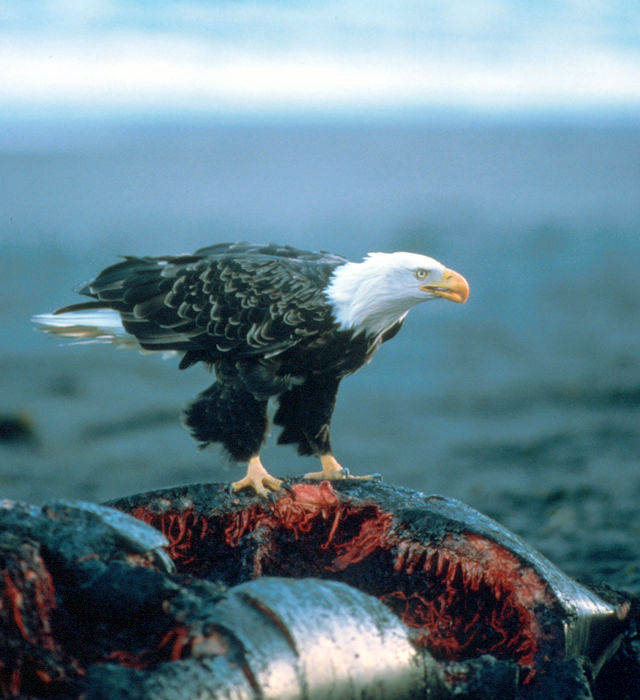
The bald eagle (scientific name) is a large bird of prey and one of the best-known birds in North America. Classified among the sea eagles, it is recognized by its dark body and contrasting white head and tail, a combination that gives rise to the common name "bald" in older English usage rather than a literal absence of feathers. It is widely regarded as the national symbol and bird emblem of the United States.
Image gallery
10 Images




Physical characteristics and behavior
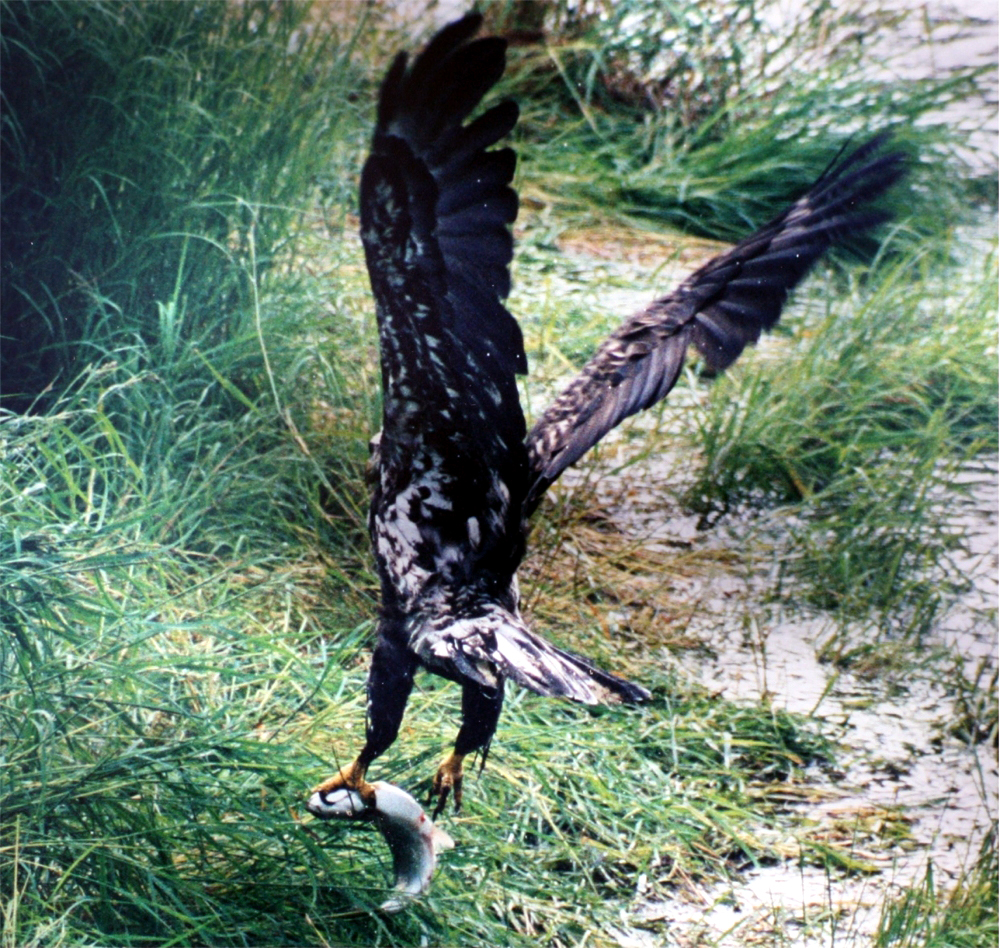
The species is a powerful raptor adapted to hunting and scavenging near water. Adults have a yellow beak and feet, strong talons, and a wingspan that can exceed two meters. Juveniles are mottled brown and reach full adult plumage after several years. As a bird of prey, it feeds mainly on fish but will also take birds, small mammals, and carrion. Bald eagles build large stick nests in tall trees or cliffs, often reused and added to for many seasons.
Habitat and range
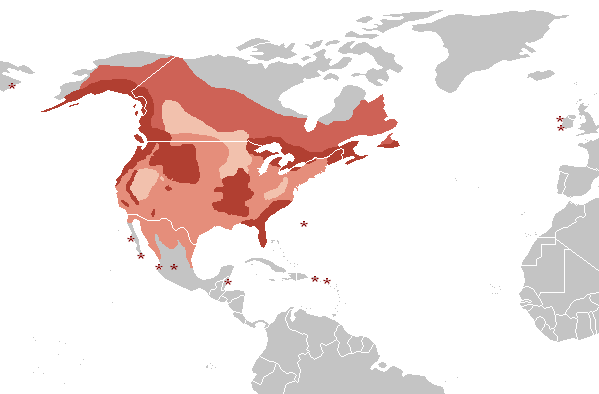
Bald eagles are associated with areas that provide abundant food and suitable nesting sites, especially near rivers, lakes, and coastal waters (water). Their native range includes most of Canada, the contiguous United States, Alaska where populations were historically strong, and the northernmost parts of Mexico. They are a type of sea eagle, which links them biologically to other large fish-eating eagles worldwide.
Conservation history
Once widespread, the bald eagle experienced dramatic declines in the 20th century due to habitat loss, persecution, and contaminants such as DDT, which affected eggshell thickness. The species was once listed as endangered or threatened in parts of its range. Concerted conservation efforts, legal protections, and bans on harmful pesticides contributed to recovery. The population has rebounded in many areas, although ongoing threats include habitat disturbance and lead poisoning. The species remains a focus of monitoring and management.
Cultural significance and distinctions
The bald eagle holds strong symbolic value in the United States and appears on official seals, currency, and many emblems. Its striking adult plumage—white head and tail against a dark body—led early English speakers to call it "bald" (bald) because "bald" could mean white-headed. The species is distinct from other raptors by its size, habitat preference, and life history; nevertheless, it can be confused with the similar-looking white-tailed sea eagles in Eurasia and other large eagles in local ranges.
Notable facts and resources
- Taxonomy: recognized as a single species by ornithologists (species).
- Diet: primarily fish but opportunistic; scavenges and hunts live prey.
- Legal status: protected by federal and state laws that helped recovery.
- Where to learn more: natural history centers, wildlife agencies, and conservation organizations provide regional information (scientific name, bird of prey, North America, bird, national, sea eagle, Canada, Mexico, water, bald, species, population).
Questions and answers
Q: What is the Latin name for the bald eagle?
A: The Latin name for the bald eagle is Haliaeetus leucocephalus.
Q: Where is the bald eagle found?
A: The bald eagle is found in North America, including most of Canada, all of the United States, and the northern part of Mexico.
Q: What kind of bird is the bald eagle?
A: The bald eagle is a kind of sea eagle.
Q: Why is it called "bald"?
A: The bald eagle is called "bald" due to its white head and neck.
Q: Where does the bald eagle live?
A: The bald eagle lives near big areas of water, where there are trees to nest in and there is a lot of food to eat.
Q: What is the national bird of the United States of America?
A: The national bird of the United States of America is the bald eagle.
Q: Did the bald eagle's population decrease in the United States?
A: Yes, the bald eagle's population almost died in the United States late in the 20th century, while its numbers were growing in Alaska and Canada. However, it now has a more stable population.
Related articles
Author
AlegsaOnline.com Bald eagle (Haliaeetus leucocephalus): North America's sea eagle Leandro Alegsa
URL: https://en.alegsaonline.com/art/8458