
Robotics: Principles, History, and Applications
Overview of robotics — the multidisciplinary engineering and science of designing robots, their parts, history, common uses, and practical distinctions in industry and research.
Overview
Robotics is the field concerned with the design, construction, programming and deployment of machines called robots. It sits at the intersection of engineering and science and brings together people from diverse specialties to create devices that can sense, make decisions and act in the physical world. Some robots are simple automated tools; others are complex, autonomous systems intended to operate in uncertain environments.
Image gallery
10 Images


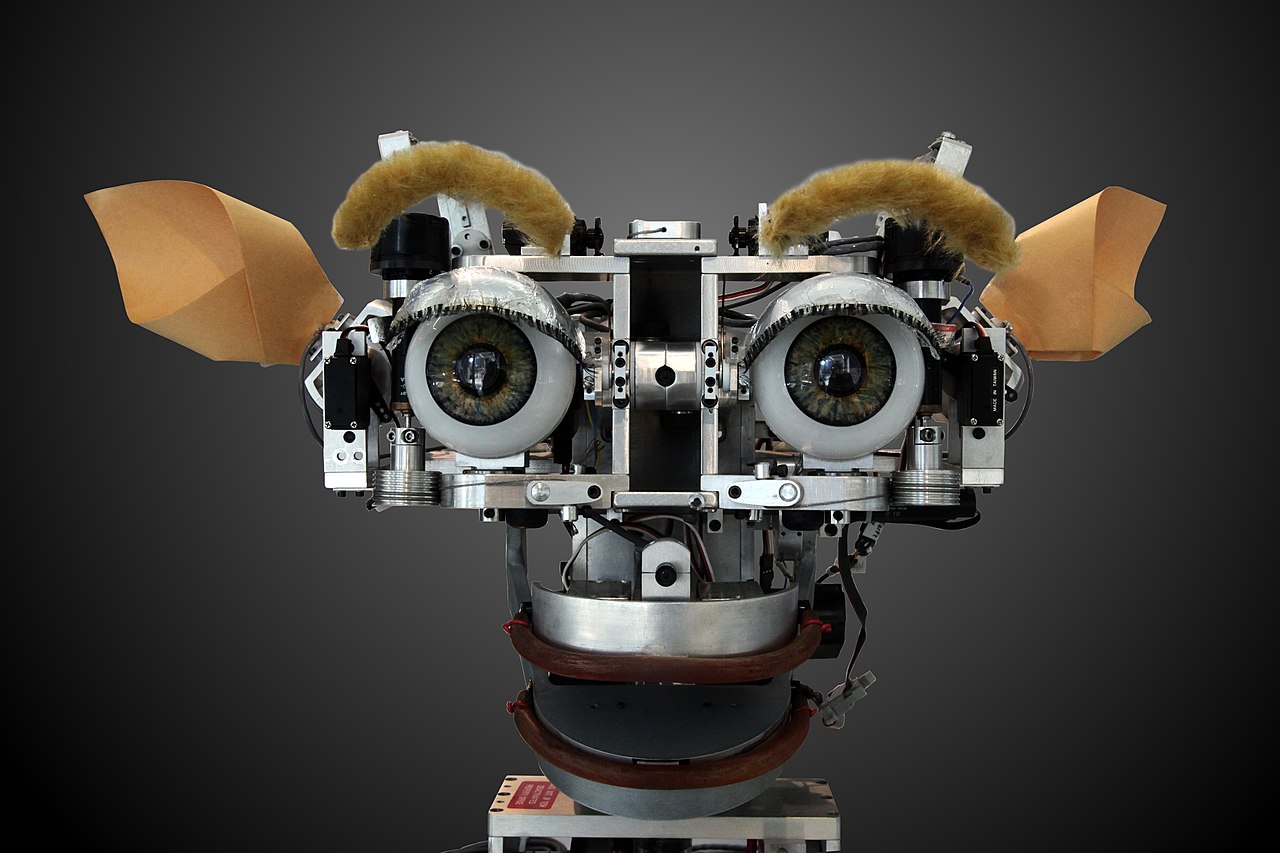
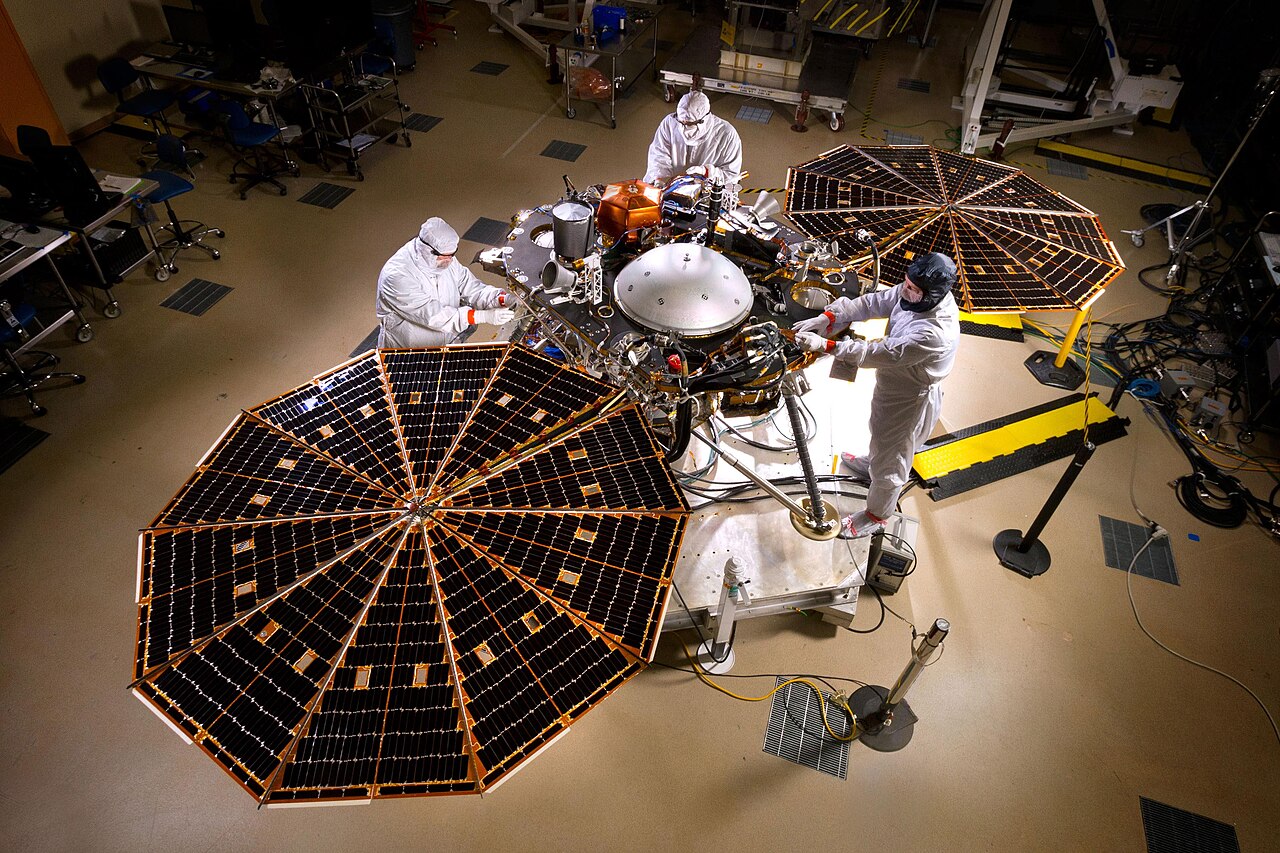

Core parts and characteristics
A typical robotic system combines several subsystems. Key categories include:
- Structure and mechanics: frames, joints and actuators derived from mechanical engineering.
- Power and electronics: motors, batteries, sensors and control circuits from electrical engineering.
- Computation and software: control algorithms, perception and decision-making built with computer programming.
- Sensing and perception: cameras, lidar, force sensors and other inputs that let a robot interpret its surroundings.
- Interfaces and supervision: means for humans to monitor, command or teach robots when full autonomy is not desirable.
History and terminology
The word "robot" traces to a Slavic root meaning forced labor and entered modern usage in 20th-century literature. The concept of automated machines dates back centuries in mechanical form, but modern robotics developed alongside the growth of computing, control theory and microelectronics. Writers and early engineers popularized both the idea and the term "robotics," which came into common use as the discipline matured in research and industry.
Common uses and examples
Robots are used where precision, endurance, speed or safety are required. Typical applications include:
- Manufacturing: assembly, welding and painting in factories.
- Logistics: automated warehouses and delivery systems.
- Field and exploration: planetary rovers and underwater vehicles.
- Service and healthcare: surgical assistants, rehabilitation devices and household helpers.
- Hazardous tasks: devices that inspect or disable dangerous items such as bombs and other explosives.
Development, challenges and distinctions
Designing robotic systems requires collaboration among specialists — for example, a planetary soil-sampling robot benefits from geologists who understand the mission environment as much as from engineers who build the machine. Key technical challenges include robust perception under variable conditions, safe human–robot interaction, reliable power and long-term autonomy. Distinctions within robotics include industrial robots (task-specific, often stationary), mobile robots (wheeled, legged or aerial), social robots (designed for interaction) and research platforms that explore new algorithms and behaviors.
Notable facts and resources
Robotics continues to evolve rapidly as sensors, computing power and learning methods improve. Practical projects often combine knowledge across mechanical engineering, electrical engineering and computer programming, and educational pathways reflect that interdisciplinarity. For broad introductory materials, see engineering and science resources that survey theory and practice, and for safety and policy topics consult specialized guides in regulation and ethics engineering documents and scientific reviews science.
Related articles
Author
AlegsaOnline.com Robotics: Principles, History, and Applications Leandro Alegsa
URL: https://en.alegsaonline.com/art/83466