
Electrical engineering: principles, history, and practical applications
Survey of electrical engineering: its scope, main subfields, historical development, common applications, and how it differs from related disciplines in practice and education.
Electrical engineering is the engineering discipline concerned with the study and application of electricity, electronics and electromagnetism. As a practical field it focuses on designing, analysing and maintaining systems that use electrical energy, signals or fields to perform useful functions. Modern electrical engineers work across a broad technical spectrum, from large power networks to the embedded circuits inside consumer devices; see general engineering context and the role of electricity in practical systems.
Image gallery
10 Images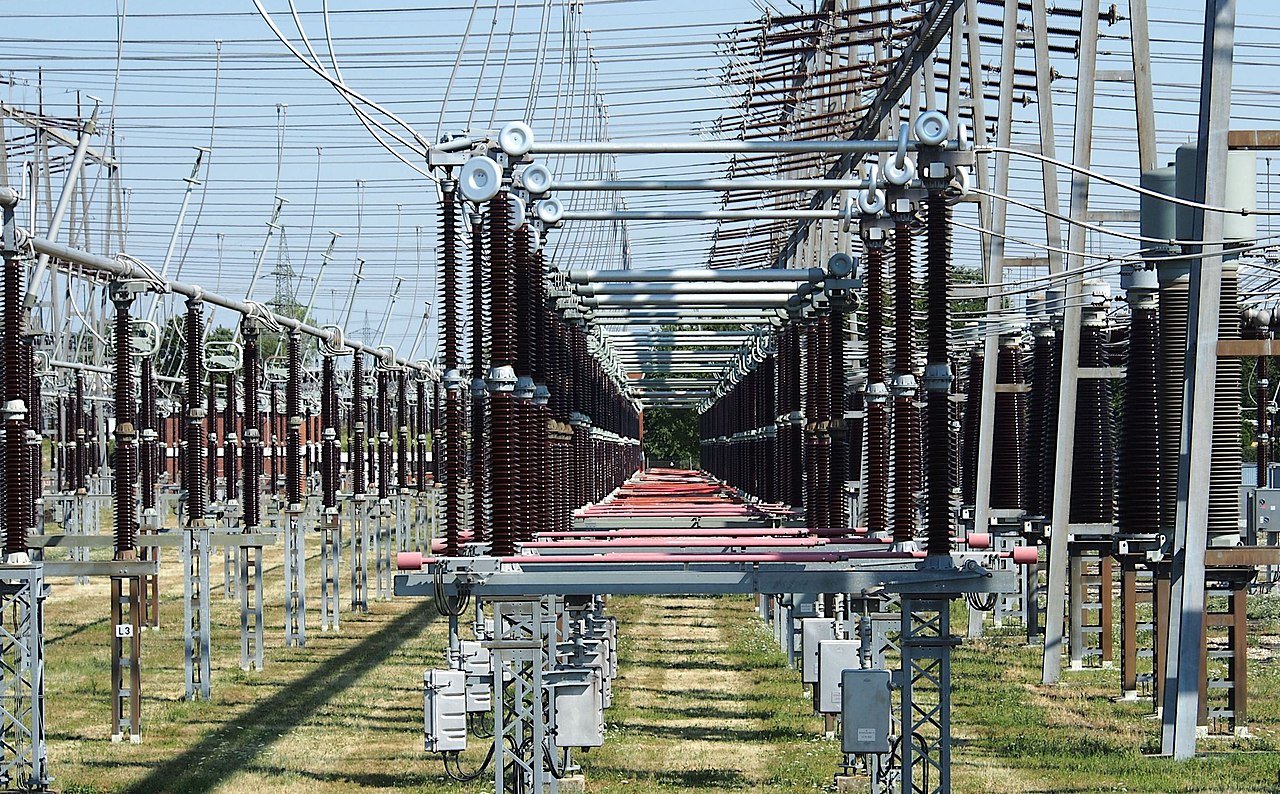





Core areas and typical components
Several core areas make up the subject. A short list highlights the range:
- Power systems and energy conversion: generation, transmission and distribution equipment that deliver electrical energy.
- Electronics: the design of circuits and semiconductor devices used in amplifiers, sensors and signal processing.
- Control and automation: systems and algorithms that regulate machine motion and process variables in industrial applications.
- Communications and signal processing: methods for encoding, transmitting and interpreting information, including analog and digital techniques.
- Computer and networked systems: integration of hardware and software where computers interface with electrical devices.
Characteristics and typical tasks
Electrical engineers analyse circuit behaviour, select components, develop control strategies and ensure safety and reliability. Work ranges from hands‑on laboratory prototyping to mathematical modelling and simulation. Engineers commonly design printed circuit boards, specify motors and transformers, implement firmware for microcontrollers, or plan radio links. Practical projects often involve tradeoffs among efficiency, cost, size and regulatory constraints; many engineers collaborate with specialists in mechanical, civil and other engineering areas.
History and development
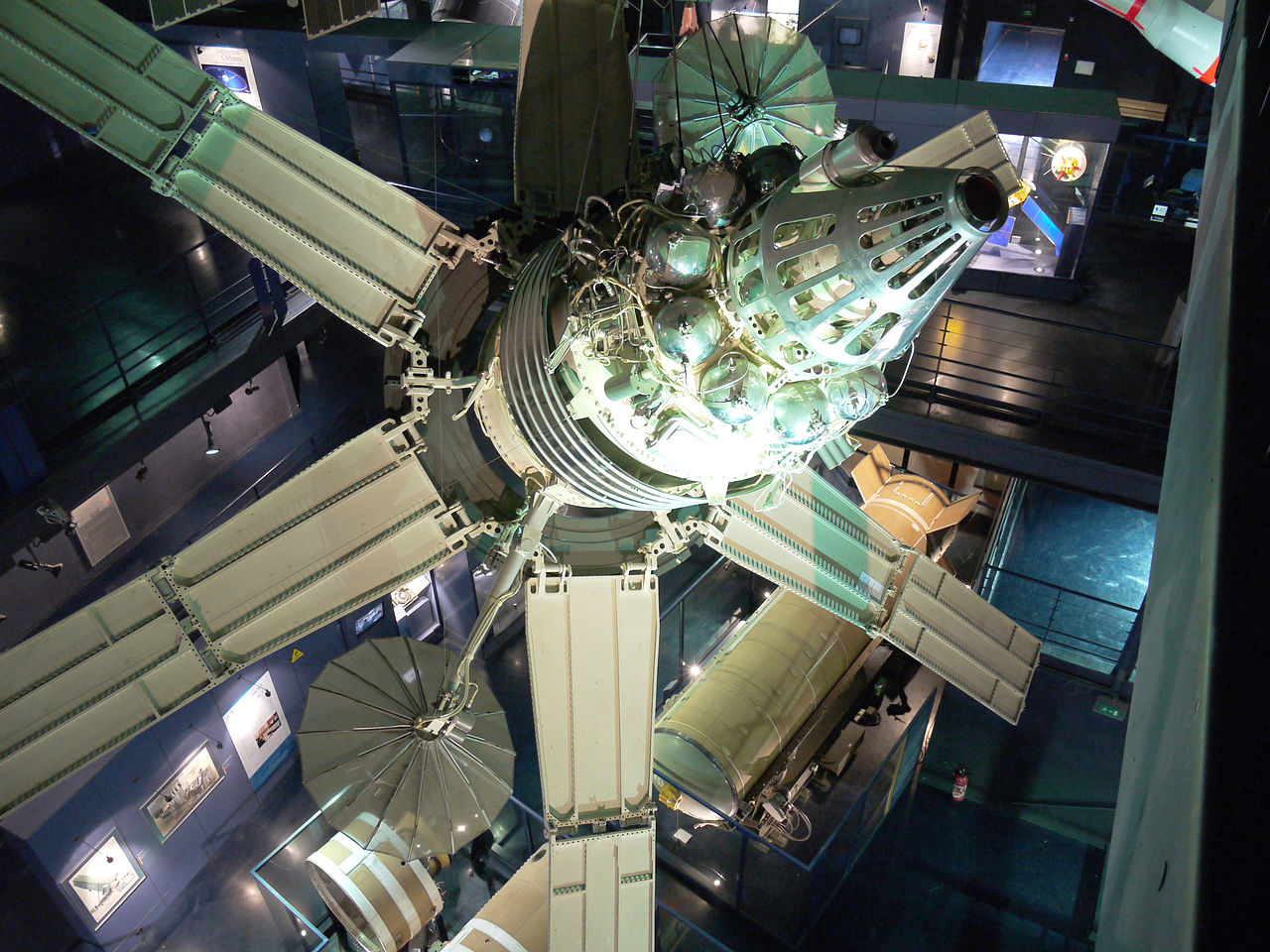
The field emerged in the late 19th century as technologies for power generation and telecommunication developed. Over time it split into subdisciplines as new technologies appeared: for example, the rise of vacuum tubes, then semiconductors, digital logic and integrated circuits expanded electronic capabilities. Radio and long‑distance communication influenced the growth of information systems; early radio and telegraph work anchored communications research that continues with modern wireless and optical systems (radio, satellite and fiber).
Applications and importance
Electrical engineering underpins much of modern life: electric power drives homes and industries; electronics enable consumer devices and medical instruments; controls and automation increase manufacturing efficiency; communications technologies support the internet and mobile phones. Typical examples include power grid management, robotic controllers, signal conditioning for sensors, and embedded systems in appliances or vehicles. Work often spans from component‑level design to system integration and testing, and involves standards, safety, and environmental considerations.
Related fields and distinctions
Several closely related disciplines overlap with electrical engineering. Electronic engineering focuses more narrowly on circuit and device design, while software engineering emphasises the development of code and large software systems. Information technology, encompassing information technology practices, and telecommunications draw on electrical engineering concepts for networks and signal transmission. Practical education and careers often cross these boundaries: engineers may specialise or work in multidisciplinary teams that include specialists in electrical devices and system integration.
Questions and answers
Q: What is electrical engineering?
A: Electrical engineering is a subject of engineering that aims to develop things that use electricity in a helpful way.
Q: What do electrical engineers do?
A: Electrical engineers fix or design new and better ways of using devices that use electricity.
Q: What are some big subjects in electrical engineering?
A: Big subjects in electrical engineering include power generation, automation and control of robots, digital systems, and information technology.
Q: What are some of the new specialties produced by electrical engineering?
A: To meet new needs, electrical engineering produced new specialties, such as electronic engineering and software engineering.
Q: What is the goal of electrical engineering?
A: The goal of electrical engineering is to develop different things that use electricity in a helpful way.
Q: What is power generation?
A: Power generation is one of the big subjects in electrical engineering, which involves the production of electricity.
Q: What is automation and control of robots?
A: Automation and control of robots is another big subject in electrical engineering, which involves the use of technology and programming to control robotic systems.
Related articles
Author
AlegsaOnline.com Electrical engineering: principles, history, and practical applications Leandro Alegsa
URL: https://en.alegsaonline.com/art/30696