
Rubber band
A rubber band is a flexible loop of elastic material used to hold or secure objects together. This article explains its composition, history, common uses, varieties, safety concerns and environmental considerations.
Overview
A rubber band is a continuous loop of elastic material, most commonly used to hold two or more items together by applying circumferential tension. Simple and inexpensive, rubber bands are found in offices, homes, industry and crafts. They vary in diameter, width, thickness and color to suit different workloads and visual identification.
Image gallery
8 Images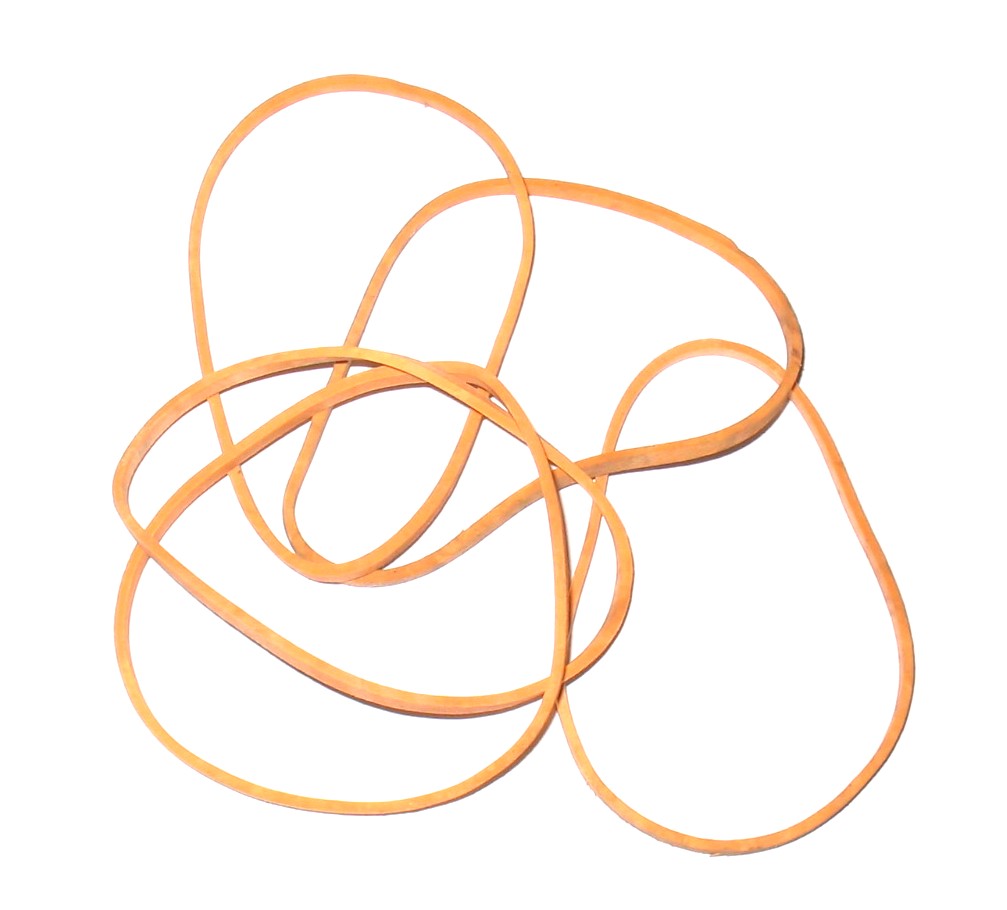




Composition and properties
Traditional rubber bands are made from natural rubber latex, harvested from rubber trees, then processed and often vulcanized to improve strength and elasticity. Synthetic elastomers can also be used for greater resistance to heat, oils or ultraviolet light. Key characteristics include elasticity, resilience, and a tendency to creep or degrade over time when exposed to sunlight, ozone or oils.
History and development
The rubber band became practical after advances in rubber processing during the 19th century. Vulcanization made elastic materials durable enough for everyday items, and early patents for elastic loops date from the mid-1800s. Since then, the design has remained largely unchanged, though manufacturing methods and materials have diversified.
Common uses
Rubber bands are used for bundling papers, closing bags, organizing cords, fastening components in small devices, and in craft projects. In education and recreation they serve as simple propulsion mechanisms in models and small slings. In many workplaces color-coding of bands helps sorting and identification.
Varieties and sizing
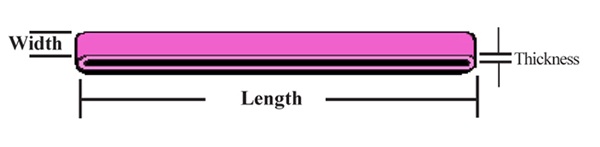
Bands come in many shapes: round cords, flat strips and specialized flat loops. Sizes are specified by length, width and gauge (thickness); industrial bands are thicker and stronger than office varieties. Colors may indicate size or be chosen for visibility.
Safety and environmental notes
Risks include snapping injuries and choking hazards for small children or pets. Some people have allergic reactions to natural latex; non-latex alternatives are available. Natural rubber is biodegradable under certain conditions, whereas many synthetic bands persist longer in the environment and should be disposed of responsibly.
Related articles
Author
AlegsaOnline.com Rubber band Leandro Alegsa
URL: https://en.alegsaonline.com/art/84552