
Rudder
A rudder is a movable control surface attached to the stern or tail of a vessel or aircraft, used to steer by redirecting flow of water or air; it appears in many forms across ships, boats, submarines and aircraft.
Overview
A rudder is a primary steering surface fitted to vehicles that move through a fluid, commonly water or air. By changing its angle relative to the flow, the rudder creates a lateral force that turns the craft. Rudders are found on large ships (ships), small craft (boats), submerged vessels (submarines), fixed‑wing aircraft (aircraft), cushion vehicles (hovercraft) and other guided vehicles.
Image gallery
10 Images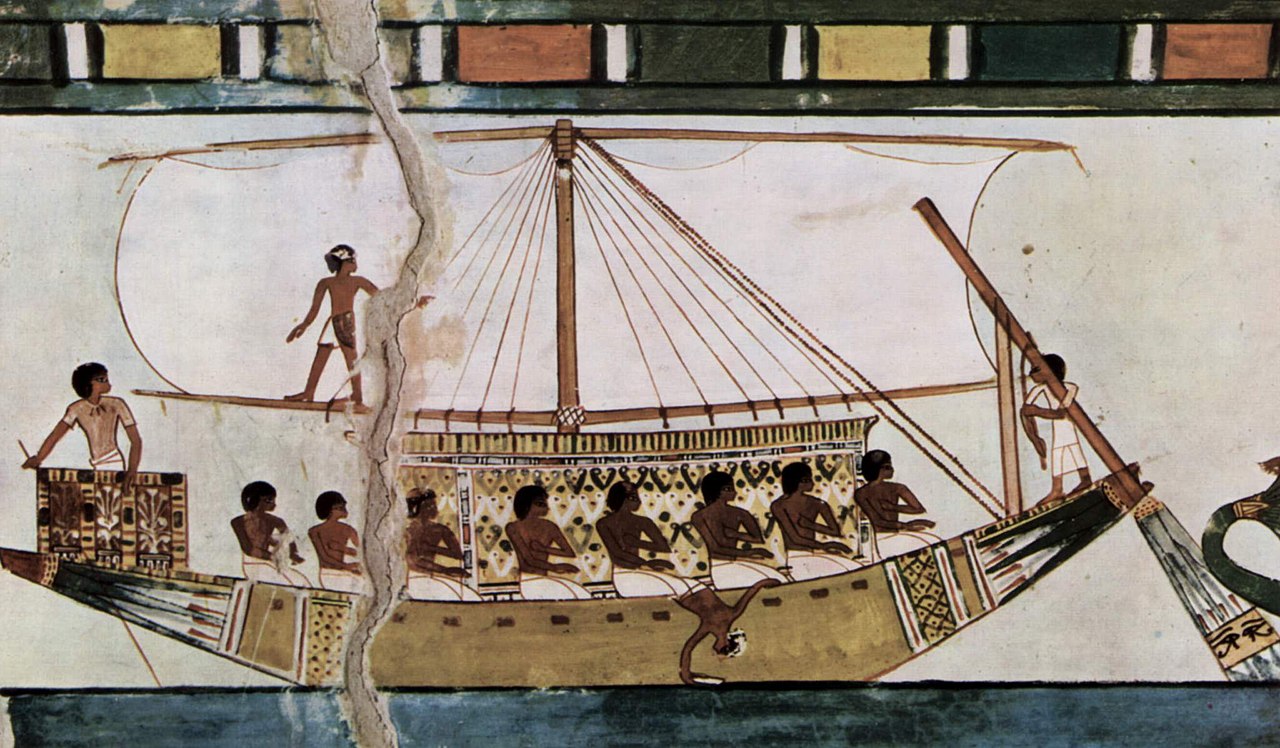


Design and main parts
Typical rudder components include the blade (the flat surface that deflects flow), the stock or post that transfers forces to the steering gear, and the fittings or hinges (pintles and gudgeons) that attach it to the hull or tail. Control inputs may be mechanical (tiller or wheel), hydraulic or electric, and are often linked to autopilots or fly‑by‑wire systems on larger craft.
Common types
- Transom‑hung rudder: attached at the stern, common on small boats.
- Skeg‑mounted and spade rudders: balanced and unbalanced shapes used on yachts and ships.
- Flap or rudder with auxiliary control surfaces: used for extra lift or manoeuvrability.
- Aircraft rudder: part of the vertical tail for yaw control.
History and development
The rudder evolved from early steering oars and paddles used in antiquity. Over centuries designers developed fixed posts, sternpost rudders and integrated tail surfaces for aircraft. Innovations focused on improving control authority, reducing drag, and integrating power steering and redundancy for safety.
Operation, uses and examples
On surface vessels, a deflected rudder alters the flow around the stern, producing a turning moment; at low speeds tugs or thrusters often assist. Aircraft rudders control yaw and coordinate turns with ailerons. Submarines rely on stern planes and rudders for depth and heading control. Modern applications include computer‑assisted steering, dynamic positioning and variable‑geometry rudders for high performance.
Notable distinctions
Although often conflated with similar devices, a rudder is distinct from propulsion units (propellers, waterjets) and from stabilizing structures (keels, fins). Effective rudder design balances responsiveness, structural strength and minimal interference with propulsion and hydrodynamic efficiency.
Related articles
Author
AlegsaOnline.com Rudder Leandro Alegsa
URL: https://en.alegsaonline.com/art/84598
Sources
- simple.wiktionary.org : rudder