
Mechanical engineering: principles, history and applications
Overview of mechanical engineering: its principles, main subdisciplines, historical development, practical applications, and modern trends such as simulation, manufacturing and energy systems.
Mechanical engineering is the branch of engineering concerned with the analysis, design, manufacture and operation of physical systems. It draws on classical mechanics, modern materials science and applied mathematics to predict how structures, machines and processes behave. The discipline is often introduced as mechanical engineering in academic and professional contexts and spans a wide size range, from large industrial machinery to very small components.
Image gallery
6 Images

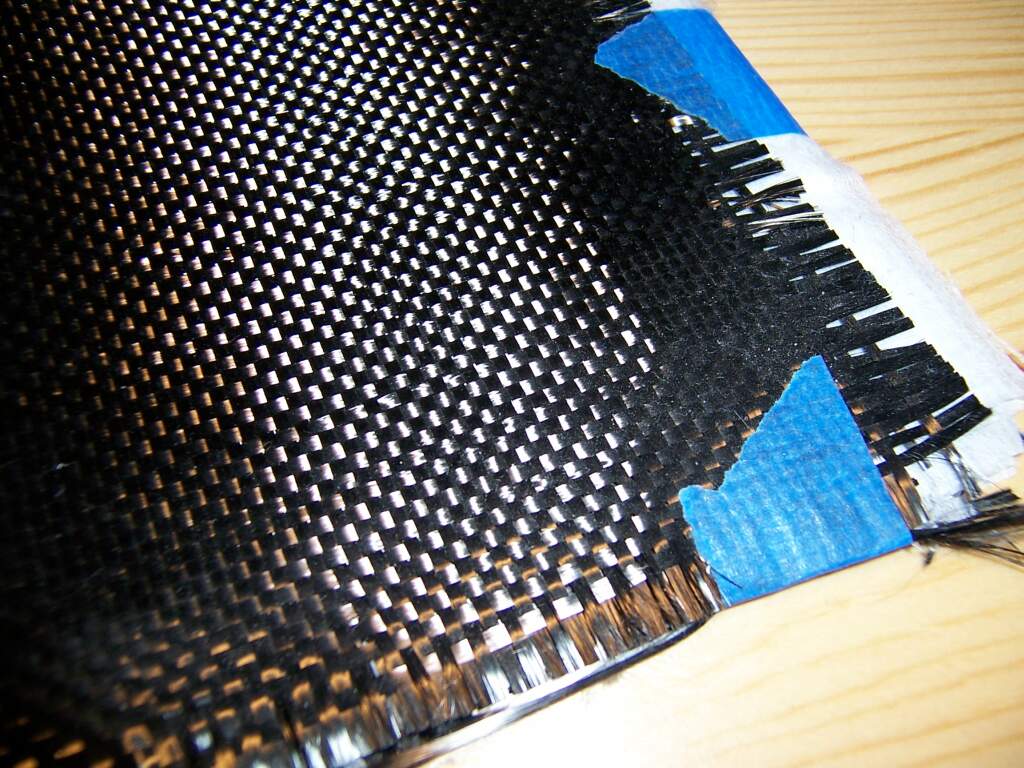


Core areas and typical tasks
- Analysis and modeling: deriving equations of motion, stress, heat and fluid flow and solving them with theory or computation (materials, simulation).
- Design and synthesis: creating parts, mechanisms and systems to meet functional and safety requirements (design).
- Manufacturing and fabrication: selecting processes, tooling and assembly methods to produce components (manufacturing and tools).
- Energy and power: converting and managing thermal and mechanical energy, including the study of heat transfer and thermodynamic cycles.
Mechanical systems include traditional machines and mechanisms as well as complex assemblies used in vehicles, industrial plants and consumer products. Examples of the scale and diversity in the field run from conceptual designs for a rocket to the thermal management or packaging around an integrated circuit.
History and development
The roots of mechanical engineering trace to ancient mechanics and the invention of simple machines. The profession expanded rapidly during the Industrial Revolution when steam engines and mass production created demand for systematic design and manufacturing knowledge. In the 20th and 21st centuries the discipline absorbed advances in materials, electronics and computation, becoming increasingly interdisciplinary.
Applications are broad: automotive and aerospace propulsion, power generation and renewables, robotics and automation, HVAC and building services, biomedical devices, and precision manufacturing. Practitioners may specialize in areas such as dynamics and control, machine design, materials engineering, or thermal systems.
Education typically involves bachelor and graduate degrees with coursework in mechanics, thermodynamics, materials, controls and manufacturing, often combined with laboratory and design projects. Professional practice emphasizes standards, safety, testing and lifecycle thinking; current trends include additive manufacturing, digital simulation, sustainability, and integration with electronics and software for smart, connected products.
Questions and answers
Q: What is mechanical engineering?
A: Mechanical engineering is a branch of engineering that applies the principles of Mechanics and Materials science for analysis, design, manufacturing, and maintenance of mechanical systems.
Q: What does mechanical engineering involve?
A: Mechanical engineering involves the production and usage of heat and mechanical power for the design, production, and operation of machines and tools.
Q: What is the range of mechanical engineering?
A: The range of mechanical engineering can vary widely, from building a rocket ship down to things as small as an integrated circuit.
Q: What is the objective of mechanical engineering?
A: The objective of mechanical engineering is to design and develop mechanical systems that can perform specific functions efficiently and effectively.
Q: What are the main areas of mechanical engineering?
A: The main areas of mechanical engineering include materials science, mechanics, thermodynamics, robotics, and manufacturing.
Q: What is the significance of mechanical engineering?
A: Mechanical engineering is one of the oldest and broadest engineering disciplines, and it plays a vital role in almost every aspect of human life, from transportation and communication to healthcare and entertainment.
Q: What are some examples of mechanical engineering applications in everyday life?
A: Some examples of mechanical engineering applications in everyday life include the design and production of cars, airplanes, trains, buildings, bridges, medical devices, and consumer electronics.
Related articles
Author
AlegsaOnline.com Mechanical engineering: principles, history and applications Leandro Alegsa
URL: https://en.alegsaonline.com/art/63351
Sources
- ocw.mit.edu : Course of Mechanical Engineering Online.